Key Roles of Companions in Bannerlord: Recruitment, Duties, and Delegation
- By Aria
- Dec 15,2025

Companions are vital to your success in Bannerlord, forming the core of your warband. Discover their roles, recruitment strategies, and more below.
Why Companions Are Essential in Bannerlord
Building an Empire Requires a Team

In Bannerlord, your journey from a lone mercenary to a powerful ruler demands more than solo effort. As your ambitions grow, managing every aspect of your campaign becomes overwhelming. Companions are the solution—a dynamic system for delegating tasks, specializing roles, and scaling your influence. These aren’t faceless recruits; they’re unique characters with distinct skills, stats, and backstories. Unlike typical RPG followers, they can govern settlements, lead armies, or serve as key officers in your clan.
At first, companions might seem like upgraded party members, but they’re far more. They fight alongside you, heal your troops, manage supplies, command independent warbands, govern your fiefs, or even operate as emissaries or rogue leaders. Their strength lies in freeing you from micromanagement. Need someone to oversee provisions while you outmaneuver enemies? Assign a quartermaster. Struggling to maintain loyalty in a new castle? Appoint a governor. Want to expand without personally leading every battle? Companions can command their own forces as clan leaders.
Companions are the bridge between your early days as a roving fighter and the complex management of a late-game kingdom. Without them, you’re stuck handling every detail, turning strategy into stress. With them, your clan evolves into a dynasty.
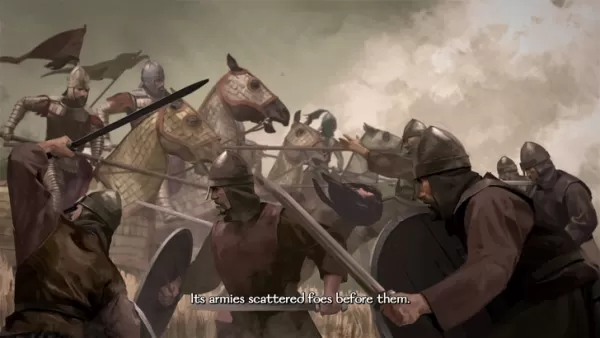
Companions also add a layer of roleplay depth. Each bears a unique title like "The Healer," "The Accursed," or "Of the Hills," reflecting their skills and origins. These details spark imagination, letting you craft narratives for your warband—whether it’s a noble lineage, a band of outlaws, or a mercenary company.
In a world where your clan’s banner defines you, your companions are your trusted lieutenants. They’re not just warriors—they’re the foundation of your rise to power.
Types of Companions in Bannerlord
Key Party Roles for Companions

While Bannerlord doesn’t formally categorize companions, players have identified patterns based on skills and roles. These informal "types" stem from their strengths and how they contribute to your campaign.
No in-game label marks a companion as a "healer" or "commander," but their stats and titles often reveal their best uses. Community terms like "surgeon" or "leader" reflect practical roles shaped by gameplay. Assigning companions to roles that match their skills maximizes their impact on your growing empire.

Bannerlord lets you assign party roles—Quartermaster, Surgeon, Scout, and Engineer—to keep your army efficient. Each role leverages a specific skill.
Quartermaster
The Quartermaster manages food, morale, and army cohesion. High Steward skill increases party size, enhances morale through diverse supplies, and slows army cohesion loss.
Best for:
⚫︎ Extended campaigns with large forces
⚫︎ Maintaining morale during sieges or deep raids
⚫︎ Supporting multiple warbands
Top Titles:
⚫︎ The Spicevendor – High Steward and Trade, excellent for food variety
⚫︎ Willowbark – Strong Steward and Medicine skills
⚫︎ The Wainwright – Steward and Engineering, versatile for party or garrison
Surgeon
The Surgeon prevents companion deaths and preserves troops. High Medicine skill boosts healing rates and reduces losses after battles.
Best for:
⚫︎ Protecting companions from permanent death
⚫︎ Preserving elite units post-battle
⚫︎ Sustaining relentless combat with minimal recovery time
Top Titles:
⚫︎ The Surgeon – Dedicated healing specialist
⚫︎ Willowbark – Top-tier Medicine skills
⚫︎ The Healer – Balances Medicine, Steward, and Charm
⚫︎ Bitterdraught – Solid Medicine and Trade skills
Scout
The Scout enhances your ability to spot enemies and navigate terrain. High Scouting skill boosts party speed, widens vision range, and improves terrain advantages in auto-battles.
Best for:
⚫︎ Raiding or evading stronger armies
⚫︎ Tracking enemy movements
⚫︎ Setting up ambushes in field battles
Top Titles:
⚫︎ Of The Wastes – High Scouting proficiency
⚫︎ The Grey Falcon – Balances Scouting and Tactics
⚫︎ The Ragged / The Fish – Reliable scouting options
Engineer
The Engineer speeds up sieges and strengthens defenses. High Engineering skill accelerates siege engine construction and fortification upgrades.
Best for:
⚫︎ Capturing enemy strongholds quickly
⚫︎ Building siege equipment faster
⚫︎ Enhancing your settlements’ defenses
Top Titles:
⚫︎ The Engineer – Top choice for siege expertise
⚫︎ The Scholar – Blends Medicine and Engineering
⚫︎ The Wainwright – Combines Engineering and Steward skills
⚫︎ The Knowing – High intellect, great for governance
⚫︎ The Accursed – Often skilled in Engineering and Tactics
Common Companion Titles

Players often identify companions by their titles, which hint at their skill focus. These procedurally generated nicknames offer a quick guide to their strengths:
⚫︎ The Accursed – Roguery, Two-Handed
⚫︎ The Black – Roguery, Two-Handed, Bow
⚫︎ The Boar – Tactics, Polearm
⚫︎ The Bull – Tactics, Two-Handed, Polearm
⚫︎ The Butcher – Roguery, One-Handed
⚫︎ The Engineer – Engineering, Crossbow
⚫︎ The Golden – Tactics
⚫︎ The Healer – Medicine
⚫︎ The Ragged – Bow, Scouting
⚫︎ The Red – Two-Handed
⚫︎ The Scholar – Medicine, Steward
⚫︎ The Shieldmaiden – One-Handed, Athletics
⚫︎ The Smith – Smithing, Two-Handed
⚫︎ The Spicevendor – Trade, Crossbow
⚫︎ The Swordsman – Two-Handed, Polearm
⚫︎ The Swift – Roguery, Trade, Steward
⚫︎ The Wanderer – Polearm, One-Handed
⚫︎ Of the Hills – Scouting, Crossbow
⚫︎ Of the Wastes – Scouting, Bow
Note: Companion stats and availability vary by playthrough. Always verify skills before recruiting.
Expanding Companion Roles
Governors and Clan Leaders

Not all companions fit into party roles like Quartermaster or Surgeon. As your empire grows, they take on broader responsibilities, managing settlements or leading independent warbands. These roles add depth to your strategy, supporting combat, economy, and governance.
Assigning a companion as a governor enhances a settlement’s prosperity, loyalty, and defenses. Key skills include:
⚫︎ Steward: Improves food production and prosperity
⚫︎ Charm and Leadership: Boosts loyalty and influence
⚫︎ Engineering: Speeds up construction and fortifications
⚫︎ Tactics and Roguery: Suits aggressive or unconventional settlements
Governors stay stationed, making this role ideal for companions less suited for combat but strong in utility skills like Steward or Charm.
Specialized and Utility Roles
Companions also fill niche roles like caravan leaders, raiders, or warband captains, extending your influence without direct oversight. Key skills include:
⚫︎ Trade: Maximizes caravan profits and evasion
⚫︎ Roguery: Ideal for illicit operations or raiding
⚫︎ Tactics: Enables effective warband leadership and ambushes
These autonomous roles generate income or disrupt enemies, allowing you to focus on larger strategies. A skilled caravan leader or raider can shift the tide of a campaign.
No single companion is "best"—their value depends on your goals and playstyle. Some stay with you from early skirmishes to epic sieges, while others manage towns or lead flanking forces. Match their skills to your needs to build a lasting legacy.
How to Find and Recruit Companions
Taverns and the Encyclopedia
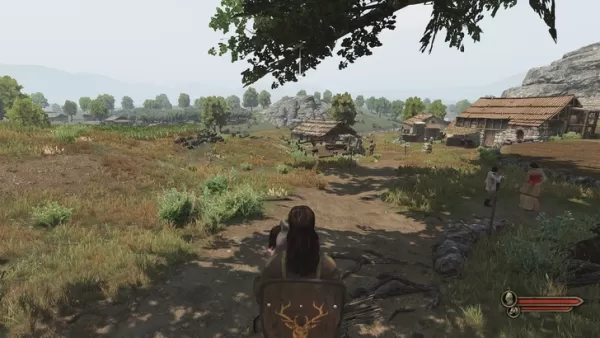
Recruiting companions requires effort—you must locate them, assess their skills, and pay their fee. They’re found in city taverns across Calradia. Visit a tavern to check for recruitable companions, identified by titles like "The Healer" or "Of the Hills."
For a faster approach, use the Encyclopedia (N key) and filter the "Heroes" tab for Wanderers. This shows each companion’s stats, backstory, and last known location, which updates as they move. Approach them in their tavern, pay the gold fee, and they’ll join—no quests or persuasion needed.
Choosing Companions Wisely
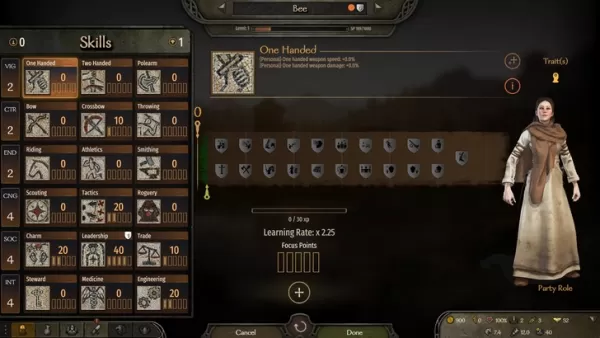
Your goals dictate your choices. Early-game players need Surgeons (Medicine) and Scouts (Scouting) for survival and mobility. Mid-game players benefit from combat leaders and Stewards for future governance. Late-game players prioritize Engineering, Tactics, and Leadership for sieges and large-scale wars.
Consider level scaling: high-stat companions may lack growth potential, while low-level ones can be molded over time. Your companion limit, tied to Clan Tier, grows with renown from battles and quests. Choose companions to fill skill gaps for a versatile clan.
Assigning and Optimizing Companion Roles
Managing Party Roles

Recruiting is just the start—assigning roles unlocks a companion’s potential. In the party screen (L key), the Roles tab lets you designate Quartermaster, Surgeon, Scout, or Engineer. Each role ties to a skill (Steward, Medicine, Scouting, Engineering), and the companion must be in your party to apply their bonuses.
Roles are exclusive—one companion, one role. While you can fill these roles yourself, delegating them lets you focus on strategy and combat. Assign wisely to keep your army efficient and effective.
Clan and Settlement Management

To assign a governor, select a settlement and choose a companion from the dropdown. They’ll relocate and apply their skills (Steward, Charm, etc.) to boost loyalty, prosperity, or defenses.
To create a warband, go to the Clan screen’s "Parties" tab, select "Create New Party," choose a companion, set a budget, and assign troops. They’ll operate independently, patrolling or fighting based on your orders.
Be strategic: combat-skilled companions make great party leaders, while utility-focused ones excel as governors.
Dismissing Companions

Sometimes, a companion no longer fits your needs. To dismiss one, go to the Party Menu, speak to them, and select "I no longer need your services." They’ll leave permanently, taking their gear with them, and their role will need reassignment.
Dismissing isn’t always a mistake—clearing out underperforming companions can streamline your clan. But be cautious: a unique healer or skilled governor may be hard to replace. Focus on impact, not just numbers, when deciding who stays.
The Evolving Role of Companions

Companions are more than tools—they’re the heart of your empire. From the healer who saves your troops in early battles to the captain leading your armies, they bring continuity to your campaign. They’re the ones you equip with top gear, trust in critical moments, and rely on while you negotiate or fight.
As your clan grows, companions reflect your strategic and roleplay choices. Every governor, raider, or dismissed scout shapes the ruler you become.

The upcoming War Sails expansion introduces naval warfare, expanding companion roles. They’ll command ships, lead boarding parties, or manage maritime supplies, requiring new skills and archetypes. This shift transforms companions into vital naval officers, adding depth to your campaigns on land and sea.
Whether leading elite warbands or commanding fleets, companions are your story’s backbone. Choose them carefully, equip them well, and they’ll carry your banner from humble beginnings to legendary seas.
Latest News
more >-
-

- Universal Piece Trello and Wiki Links
- Oct 22,2026
-

-

-