Expert Picks: Choosing the Right AMD GPU for You
- By Logan
- Apr 22,2025
When embarking on the journey to build a gaming PC, selecting the right graphics card is pivotal. If you're leaning towards AMD, you're in for a treat. AMD graphics cards are renowned for offering robust performance without the hefty price tags often associated with high-end GPUs. All of AMD's latest graphics cards support ray tracing and come equipped with FidelityFX Super Resolution (FSR), an upscaling technology embraced by many top PC games.
While there are more potent options available, AMD's Radeon RX 9070 XT stands out with its exceptional 4K performance, yet it remains more budget-friendly, rarely crossing the $2,000 mark. For those targeting 1440p gaming, AMD shines in the mid-range segment, delivering superior performance for the price.
TL;DR: These Are the Best AMD Graphics Cards
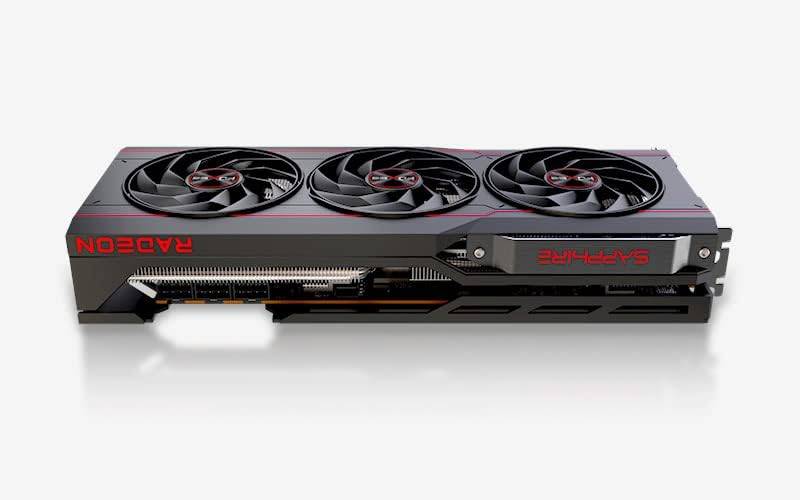 The best 4K AMD graphics card### Sapphire Pulse Radeon RX 7900 XTX
8See it at Amazon Best AMD Graphics Card (For Most People)### AMD Radeon RX 9070 XT
6See it at Newegg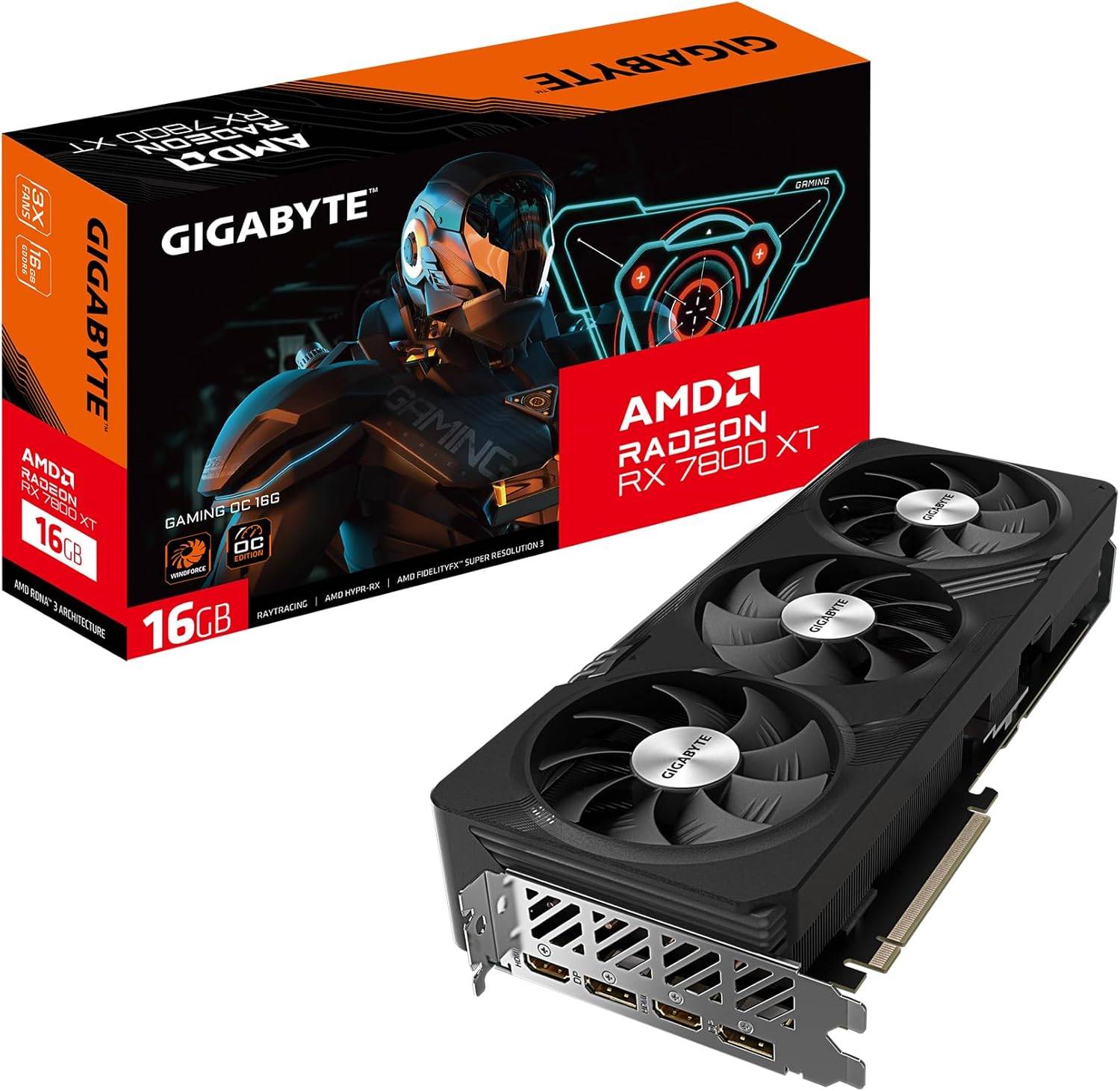 Best AMD Graphics Card for 1440p### AMD Radeon RX 9070
5See it at Newegg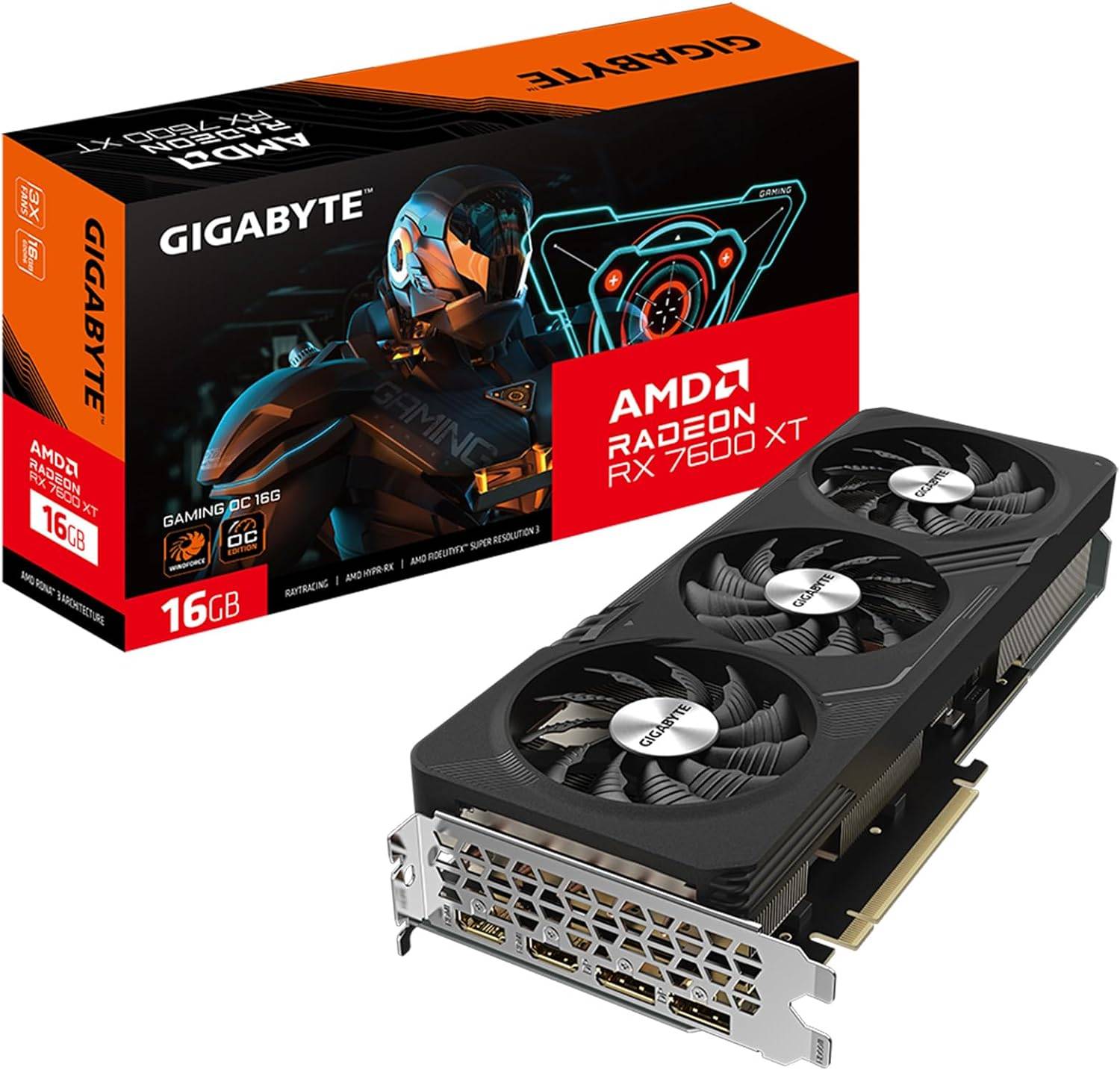 Best AMD Graphics Card for 1080p### Gigabyte Radeon RX 7600 XT Gaming OC Windforce
6See it at Amazon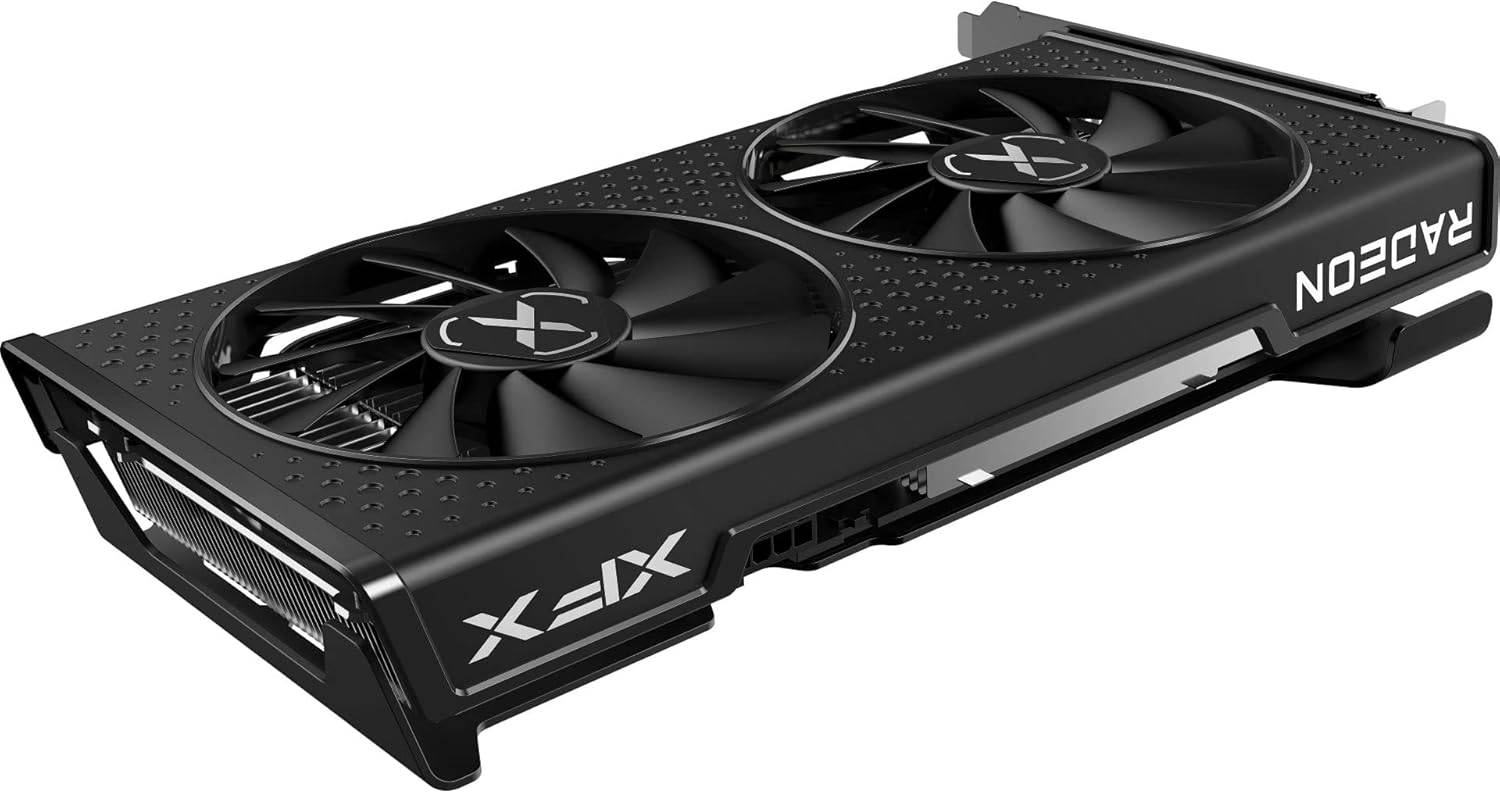 Best AMD Graphics Card on a Budget### XFX Speedster SWFT Radeon RX 6600
5See it at Amazon
It's also worth noting that AMD's graphics architecture is the powerhouse behind the PlayStation 5 and Xbox Series X, facilitating easier optimization for developers when porting console games to PC. While this doesn't guarantee perfect PC game performance with an AMD GPU, it certainly helps. For those interested in Nvidia's offerings, check out our guide on the best Nvidia graphics cards.
Choosing the best AMD GPU isn't just about snagging the fastest card; it's about matching your gaming resolution and budget. Here's a deep dive into what you need to know about AMD graphics cards to make an informed choice.
Graphics Card Basics
Graphics cards are complex, but you don't need to be an expert to pick a great GPU. For AMD graphics cards, it's crucial to identify if it's a current-generation model. AMD recently revamped its naming scheme, with the Radeon RX 9070 XT as the new top-tier card, following the RX 7900 XTX. Cards with a '9' as the first digit are current-gen, while '7' and '6' denote the previous generations.
You'll also see "XT" or "XTX" suffixes, indicating a performance boost within the same class. This naming started with the Radeon RX 5700 XT in 2019, shifting from the three-digit format used for older models like the RX 580. As a rule of thumb, higher numbers generally mean better performance, but diving into specific specs can provide more insight.
Video RAM (VRAM) is a key spec to consider. More VRAM is beneficial, especially at higher resolutions. For 1080p gaming, 8GB suffices, but for 1440p, you'll want 12GB-16GB, particularly for demanding titles. At 4K, you can't have too much VRAM, which is why the Radeon RX 9070 XT packs 16GB.
Compute units are another vital aspect. Each unit contains multiple streaming multiprocessors, or shaders. The latest AMD GPUs feature 64 Streaming Multiprocessors per compute unit, with the RX 7900 XTX boasting 96 compute units, totaling 6,144 SMs.
Recent AMD GPUs also include dedicated hardware for ray tracing within each compute unit. The RX 7900 XTX, for example, has 96 RT Cores, enhancing its ray tracing capabilities. More RT Cores typically mean better ray tracing performance.
Before purchasing, ensure your PC can accommodate your chosen GPU. Check your case dimensions and power supply wattage, as high-end GPUs demand more power. Each card lists a recommended power supply, so ensure yours meets the requirement.
AMD Radeon RX 9070 XT – Photos
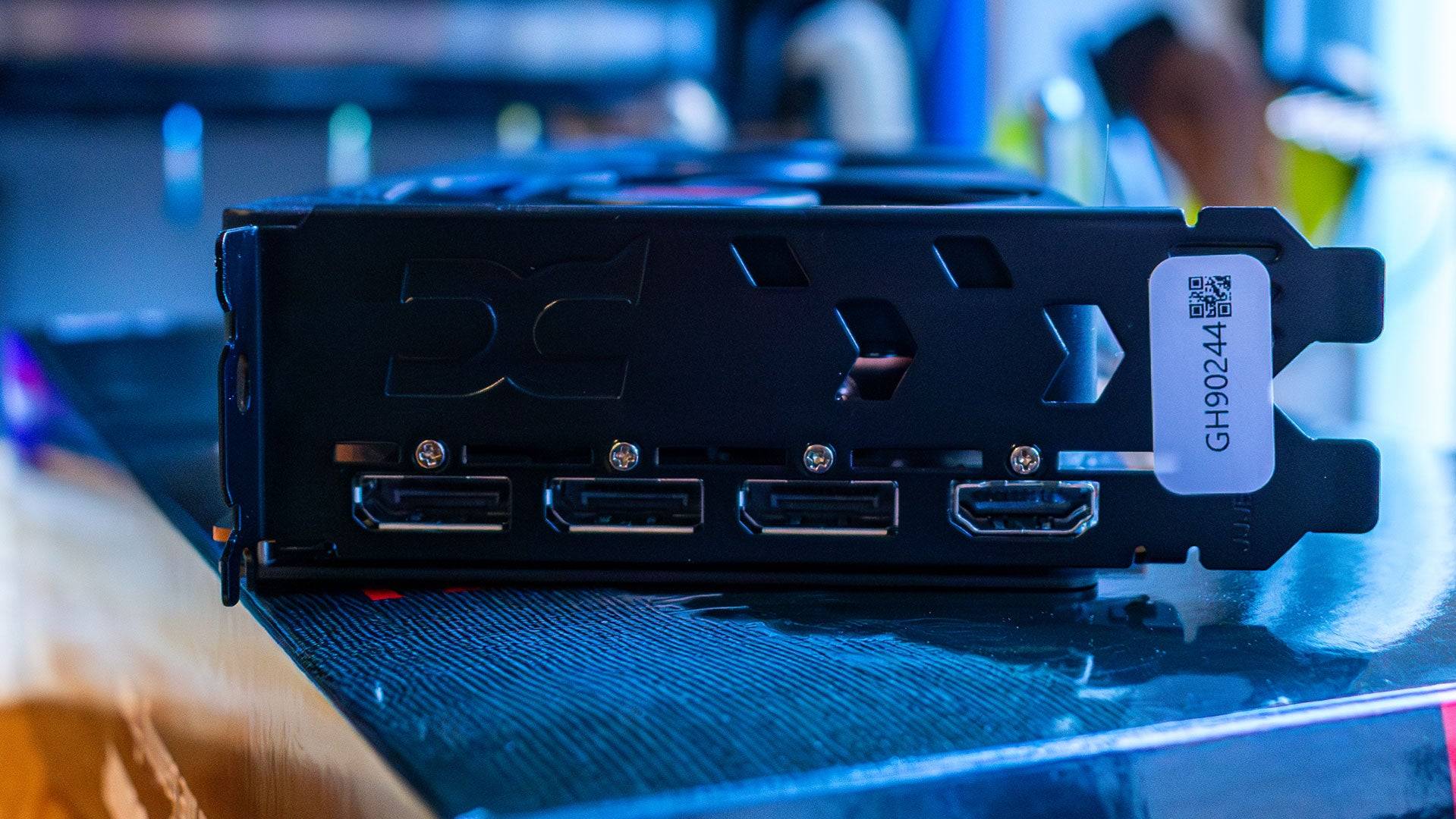
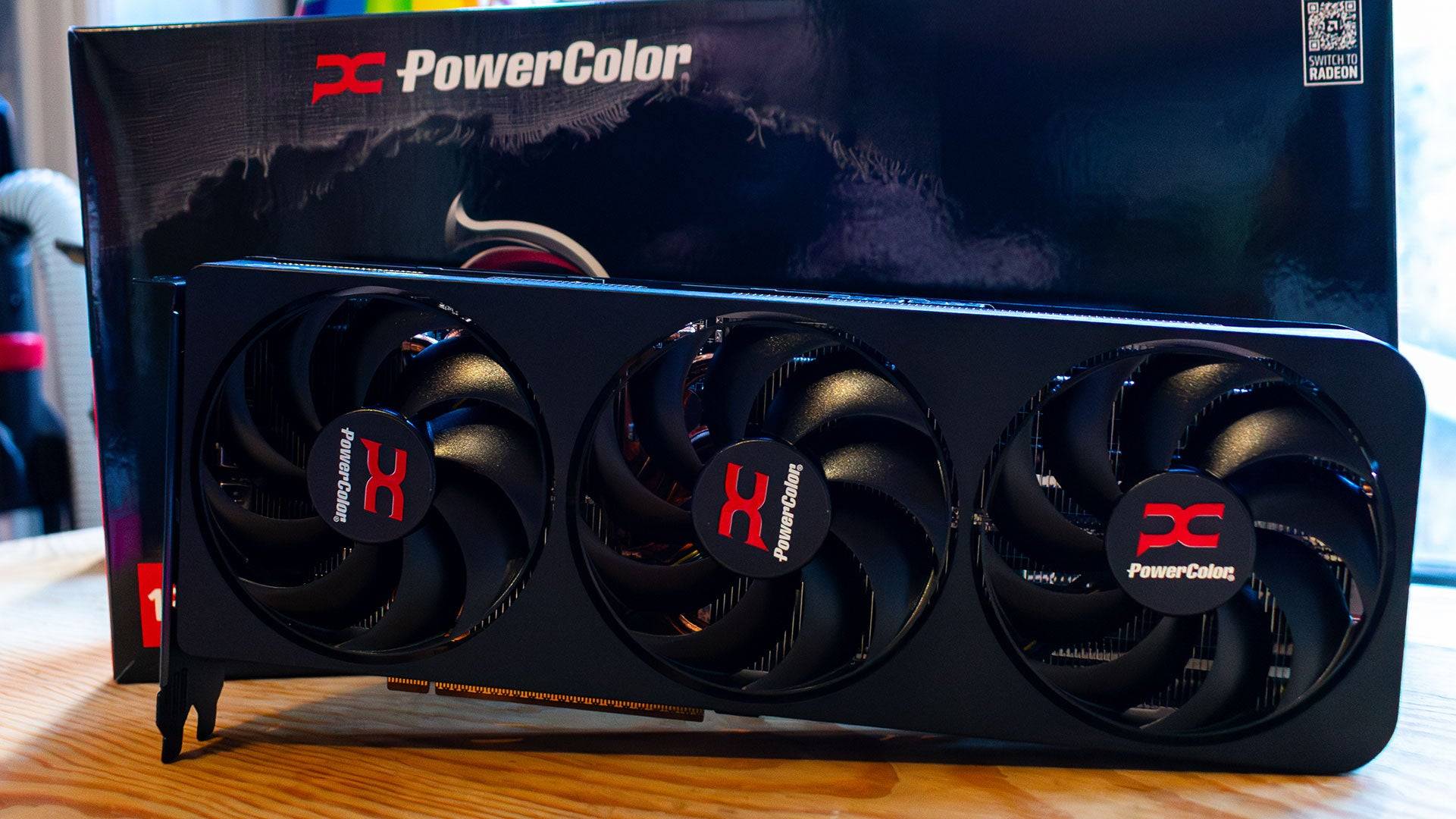 4 Images
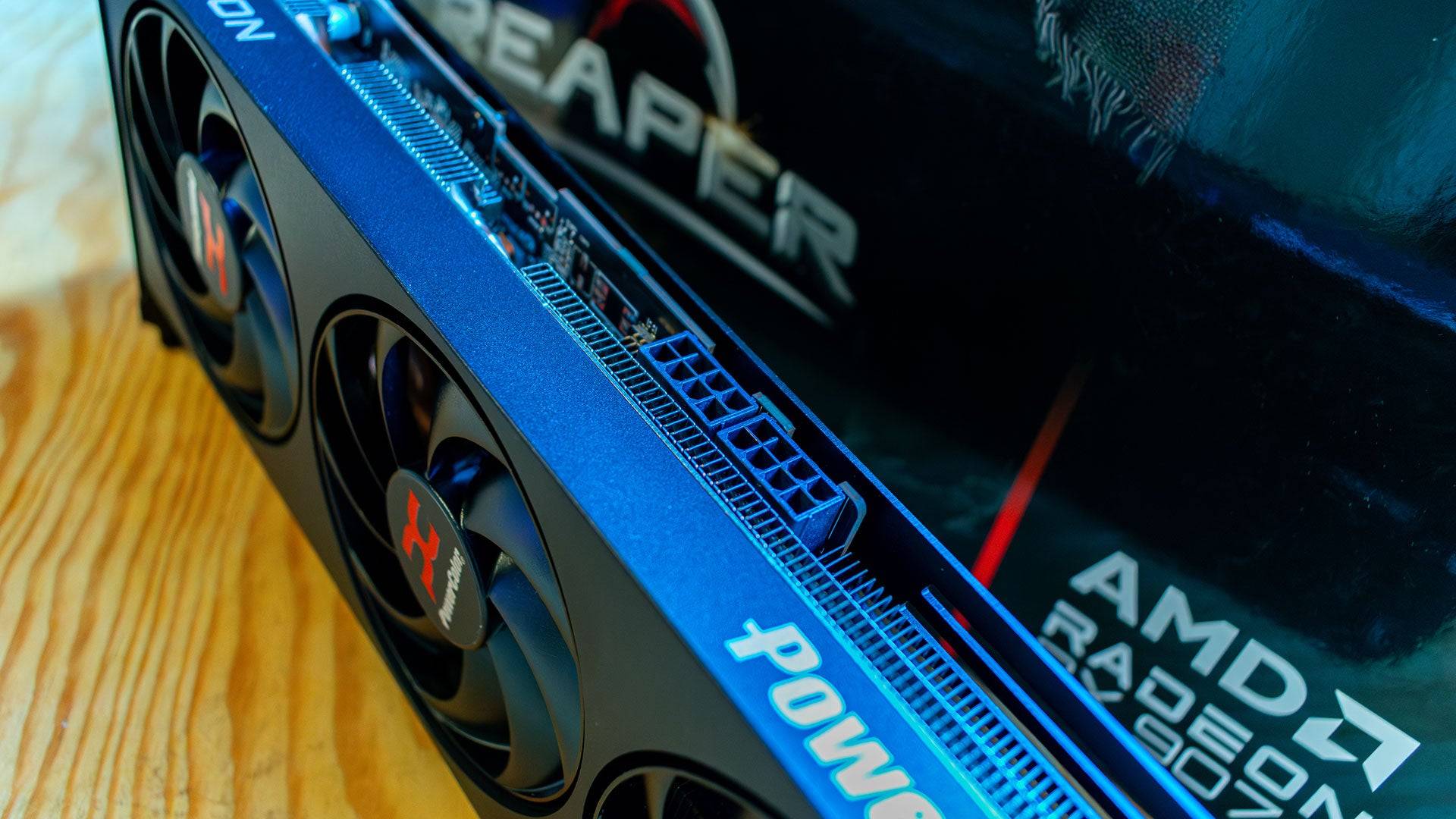
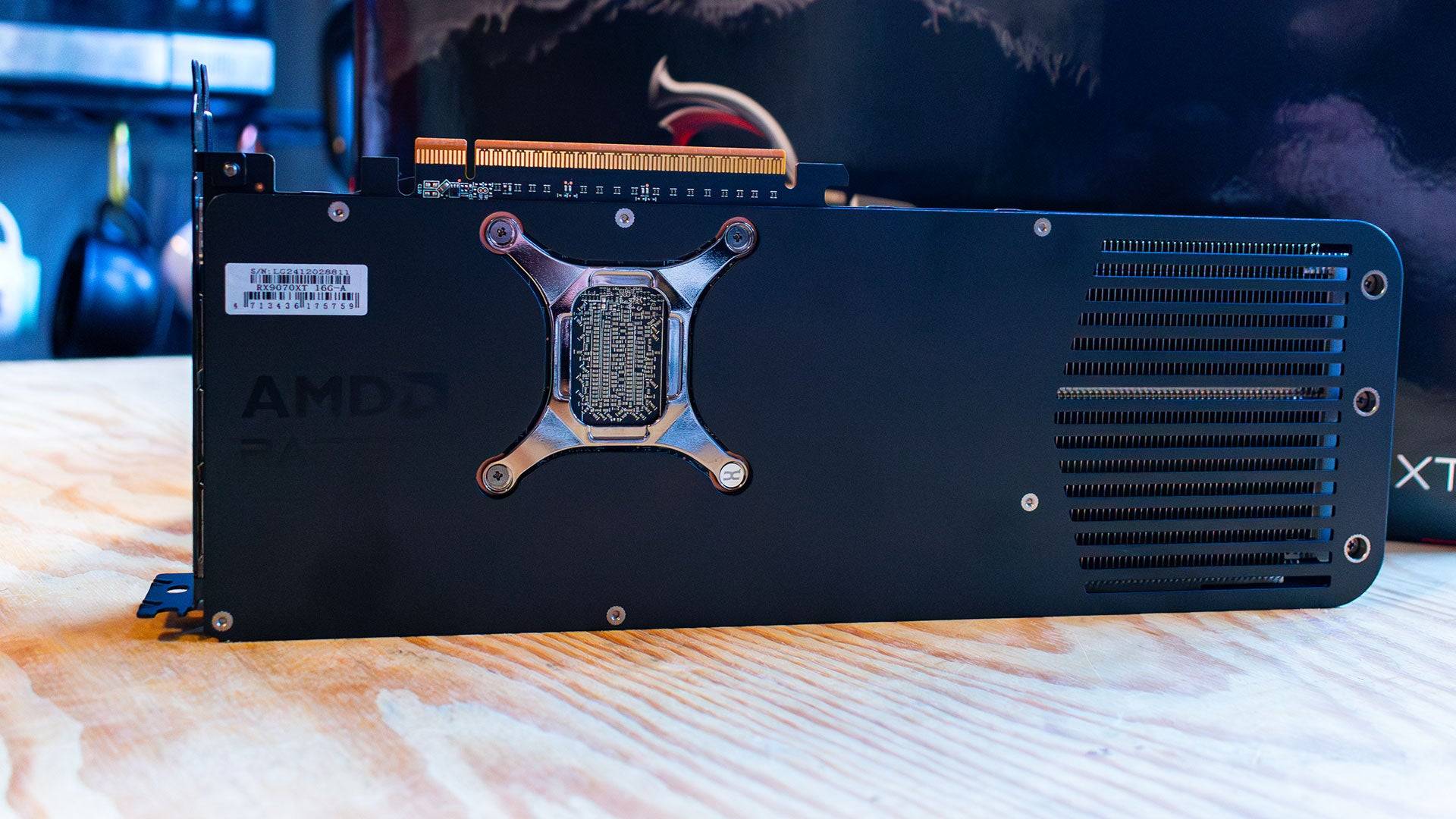
If You Just Want the Best: AMD Radeon RX 9070 XT
Best AMD Graphics Card (For Most People)### AMD Radeon RX 9070 XT
6The AMD Radeon RX 9070 XT delivers exceptional 4K performance at a reasonable price. See it at Newegg
Product Specifications
Streaming Multiprocessors: 4096Base Clock: 1660 MHz
Game Clock: 2400 MHz
Video Memory: 16GB GDDR6
Memory Bandwidth: 644.6 GB/s
Memory Bus: 256-bit
Power Connectors: 2 x 8-pin
PROS
- Excellent 4K gaming performance for the price
- Plenty of VRAM
CONS
- Brings GPU prices down to sanity (in theory)
The AMD Radeon RX 9070 XT reintroduced the era where AMD outshone Nvidia in terms of value. Launched at $599, it's significantly cheaper than the $749 RTX 5070 Ti and outperforms it by an average of 2%. Its ray tracing capabilities are commendable, though Nvidia still holds a slight edge in this area.
AMD Radeon RX 9070 XT & 9070 – Benchmarks
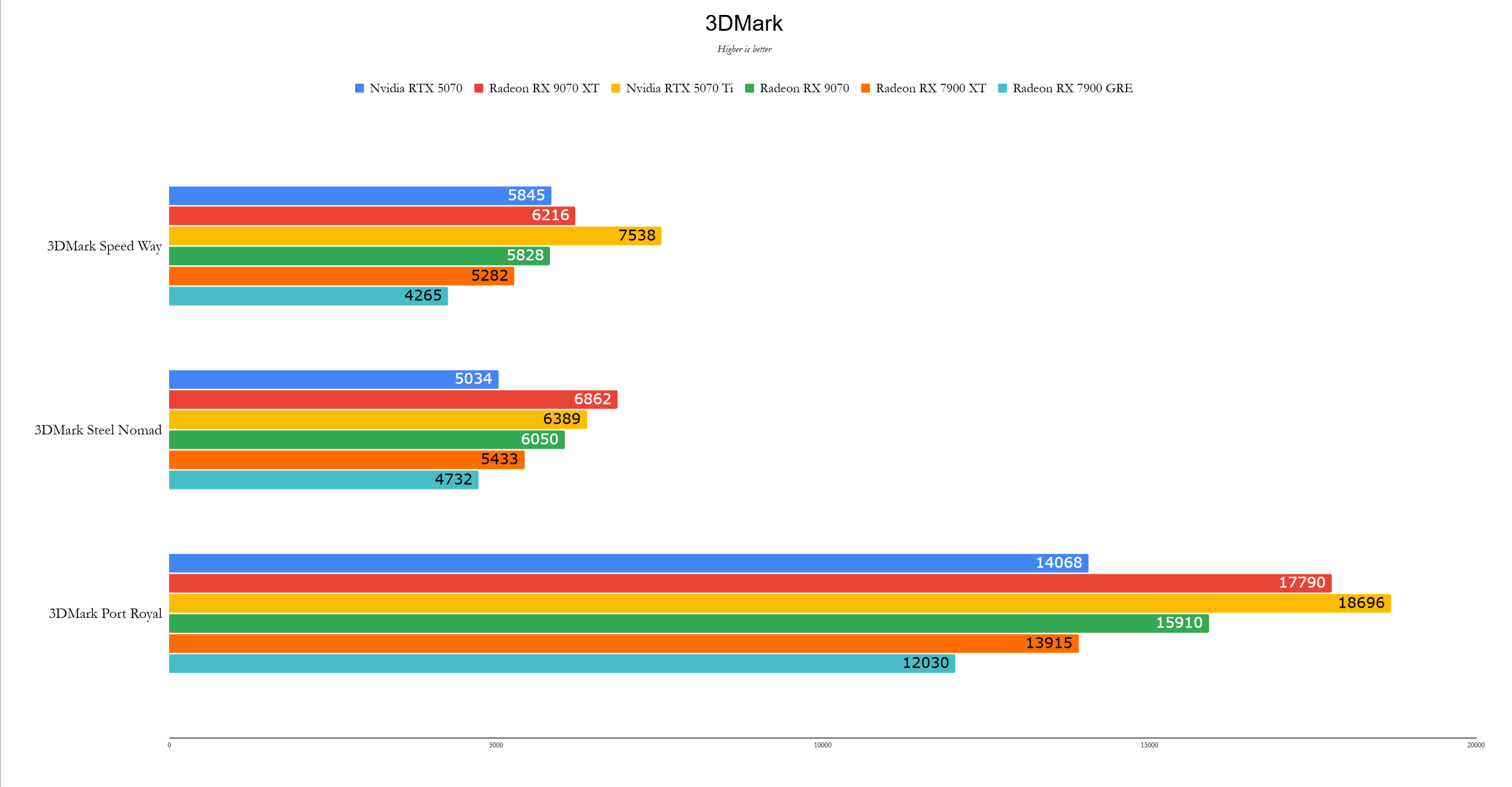
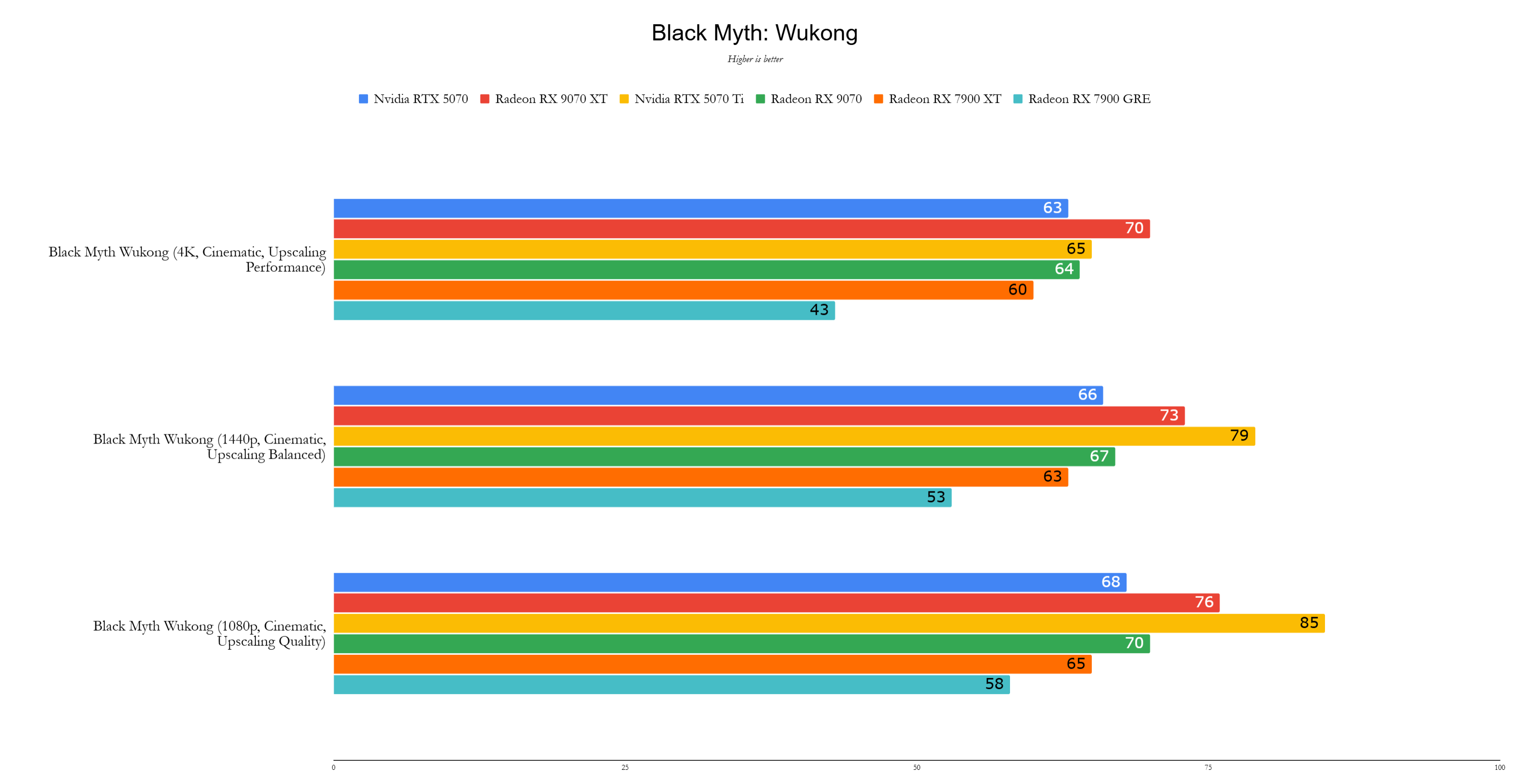 11 Images
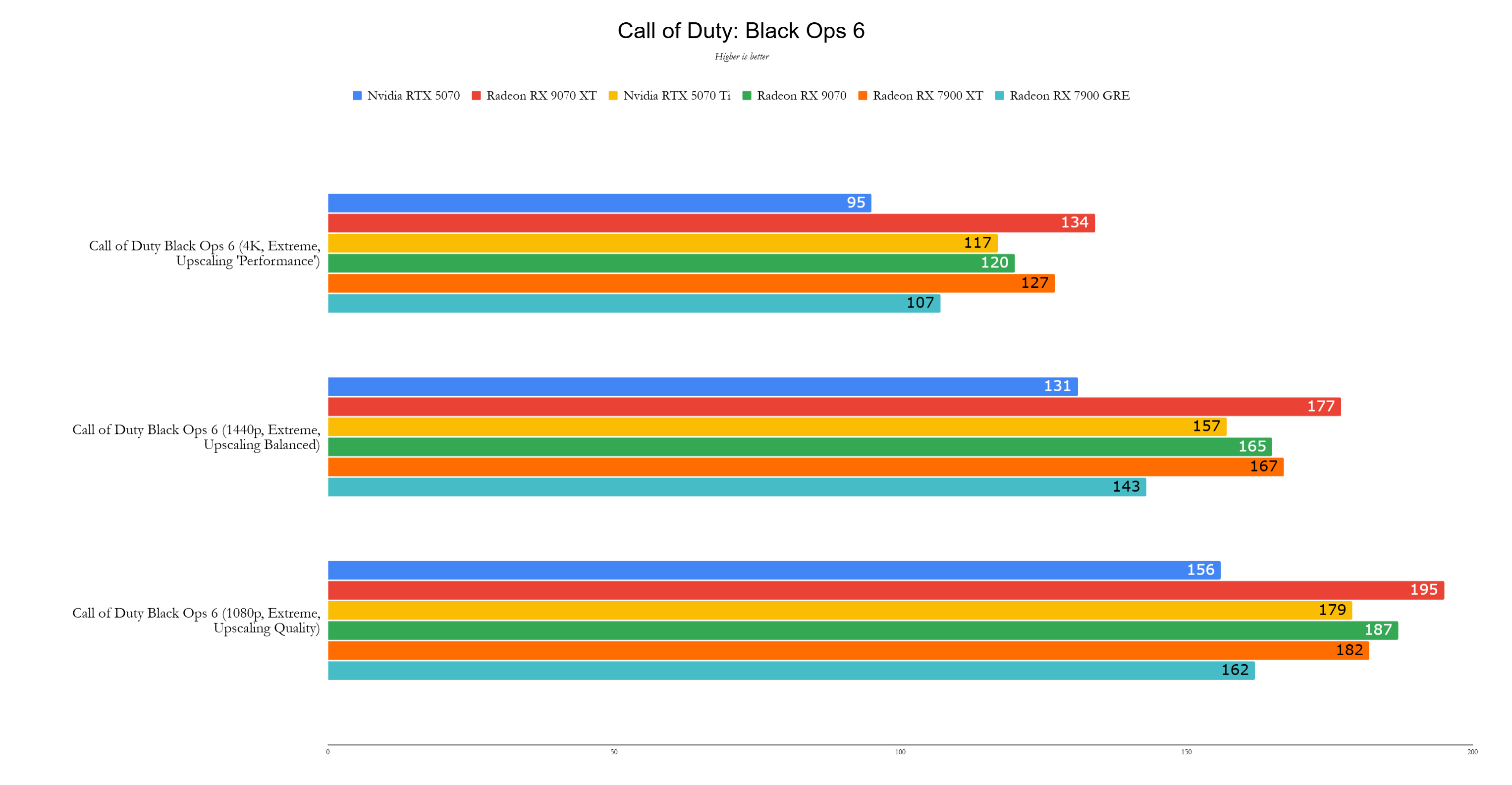
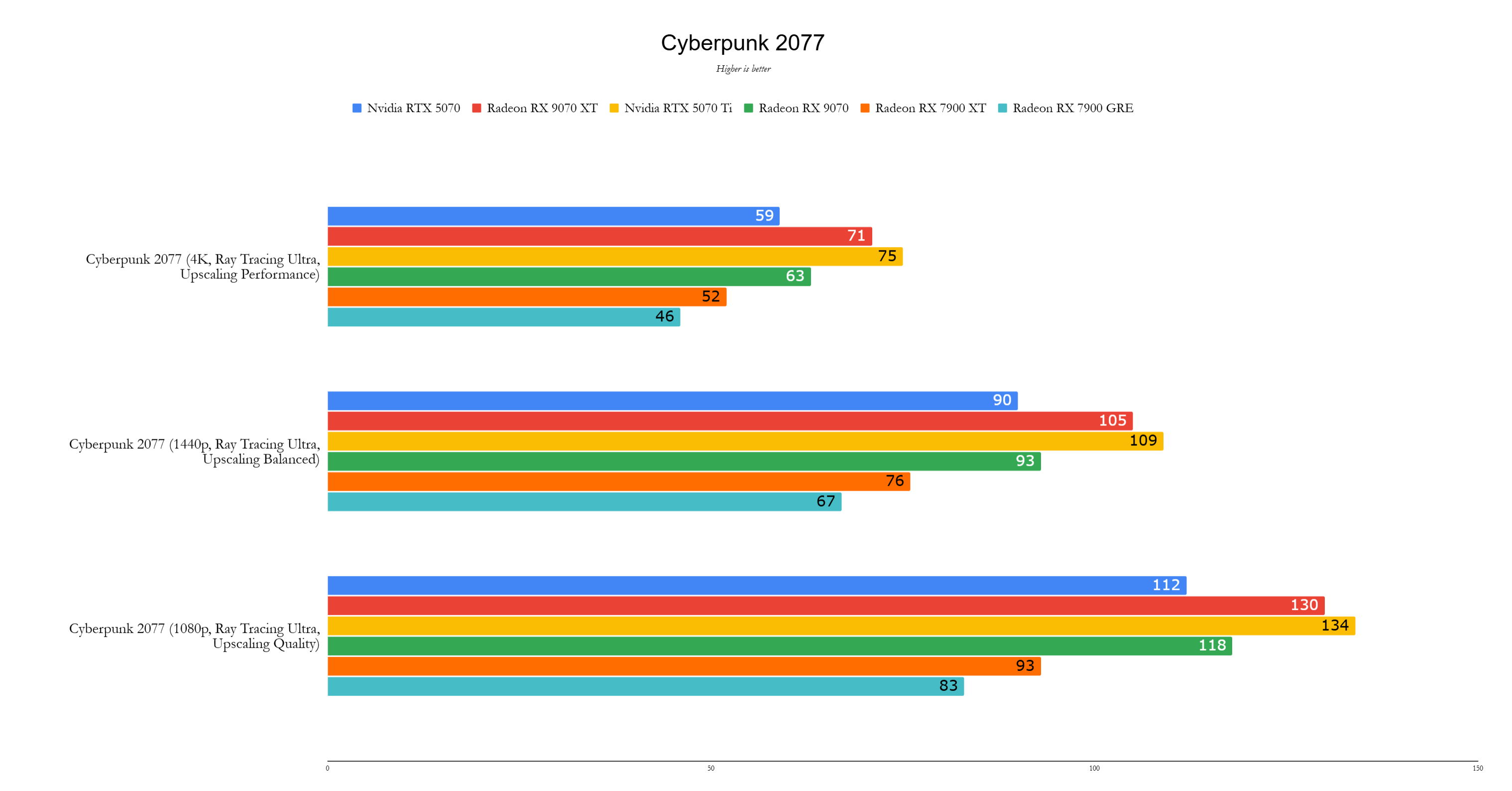
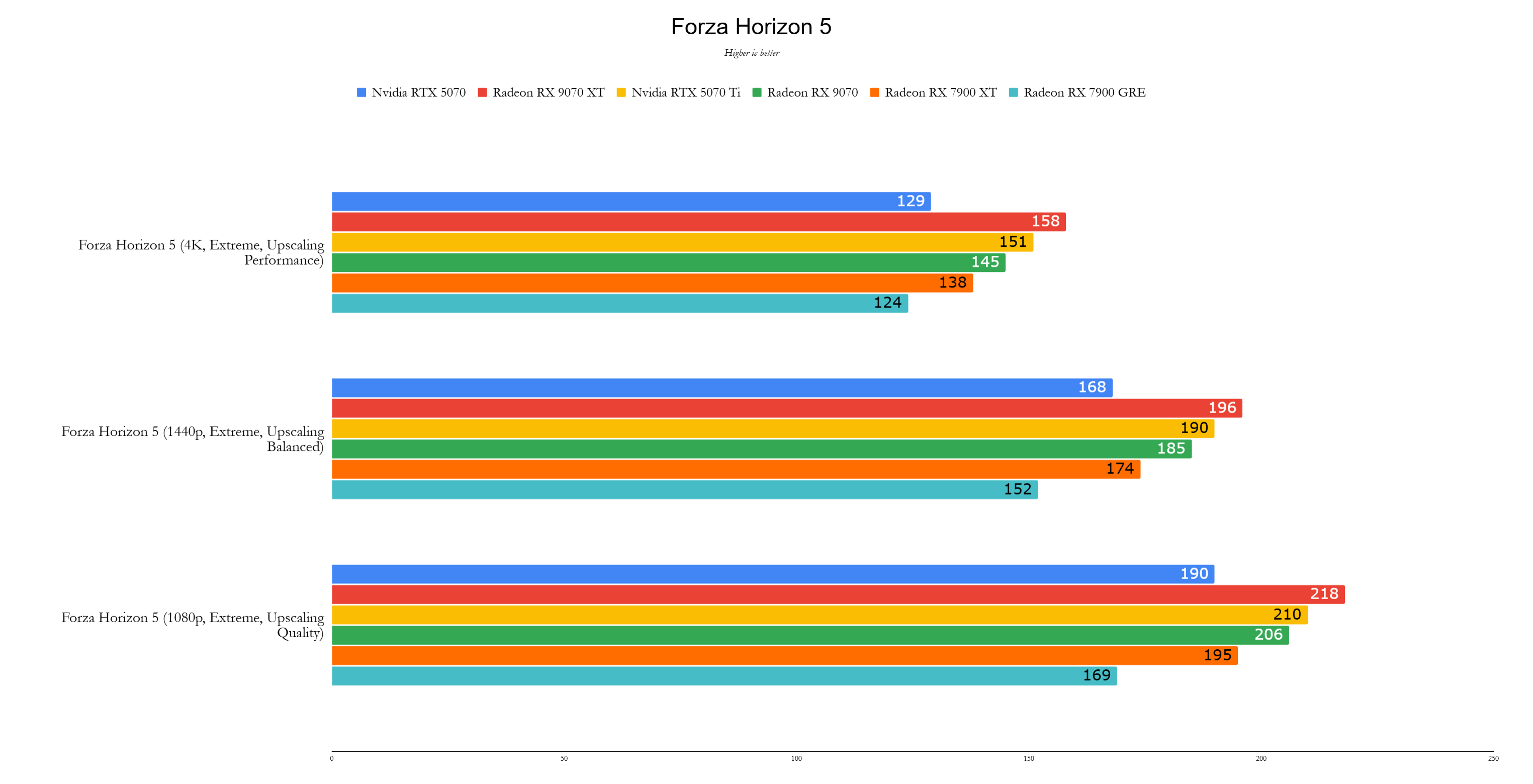
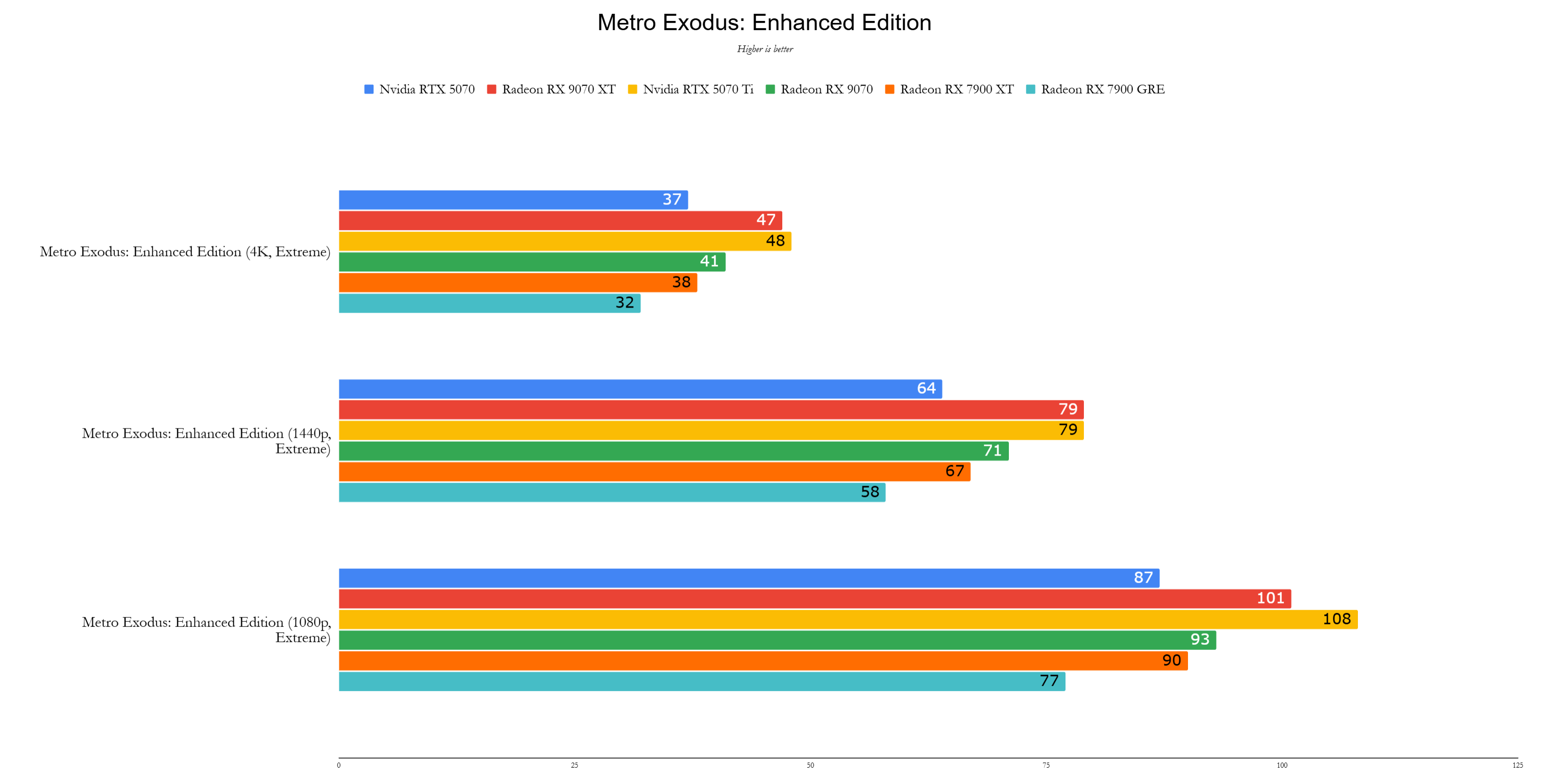
The Radeon RX 9070 XT also introduces FSR 4, which uses AI to upscale games to native resolution, improving image quality over FSR 3.1, albeit with a slight 10% performance hit. This trade-off is worthwhile, especially in single-player games where frame rate isn't critical.
AMD's Radeon RX 9070 XT offers unmatched 4K performance for the money, making it a top choice without needing a more powerful successor.
AMD Radeon RX 7900 XTX – Photos
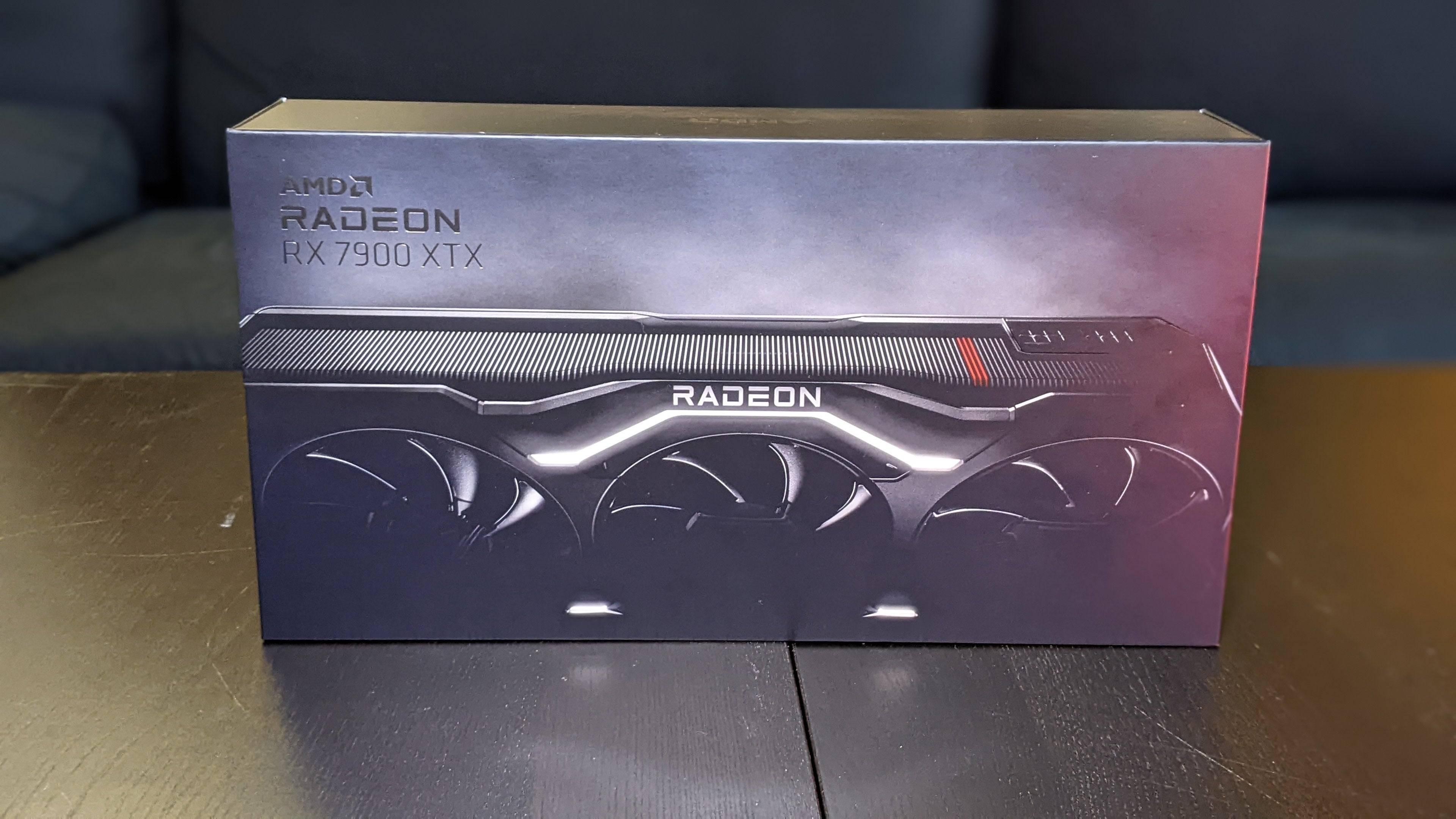
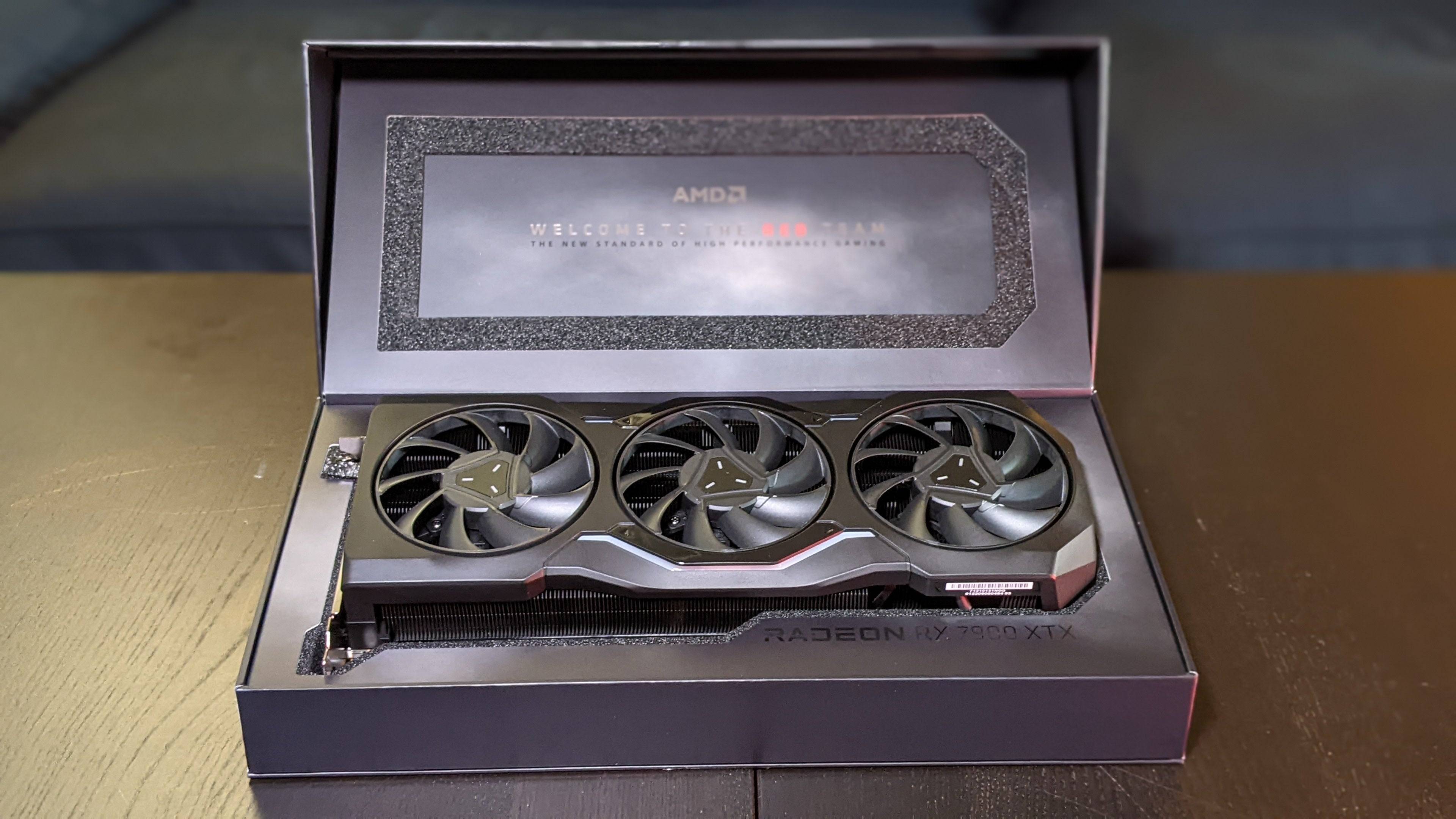 11 Images
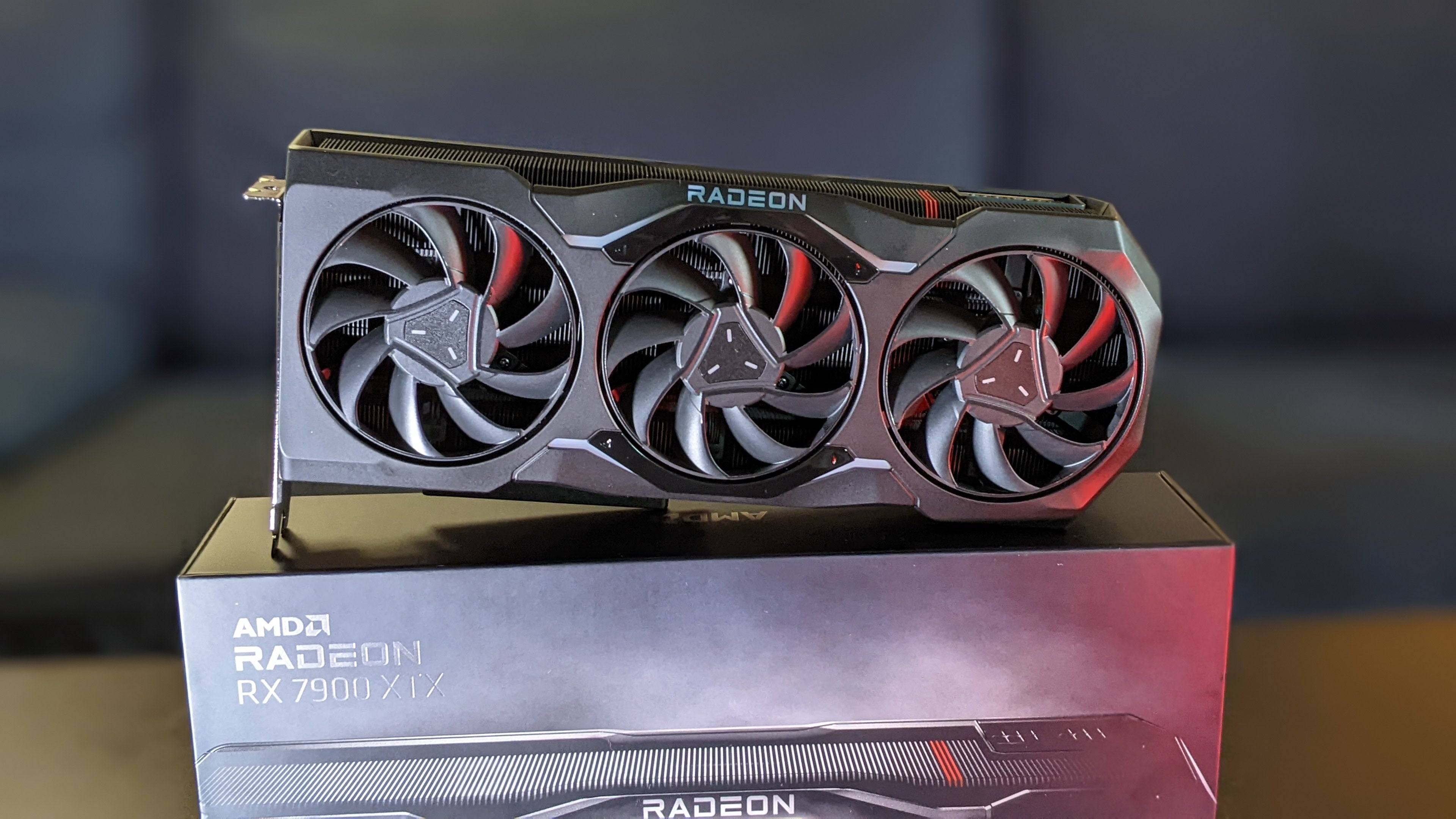
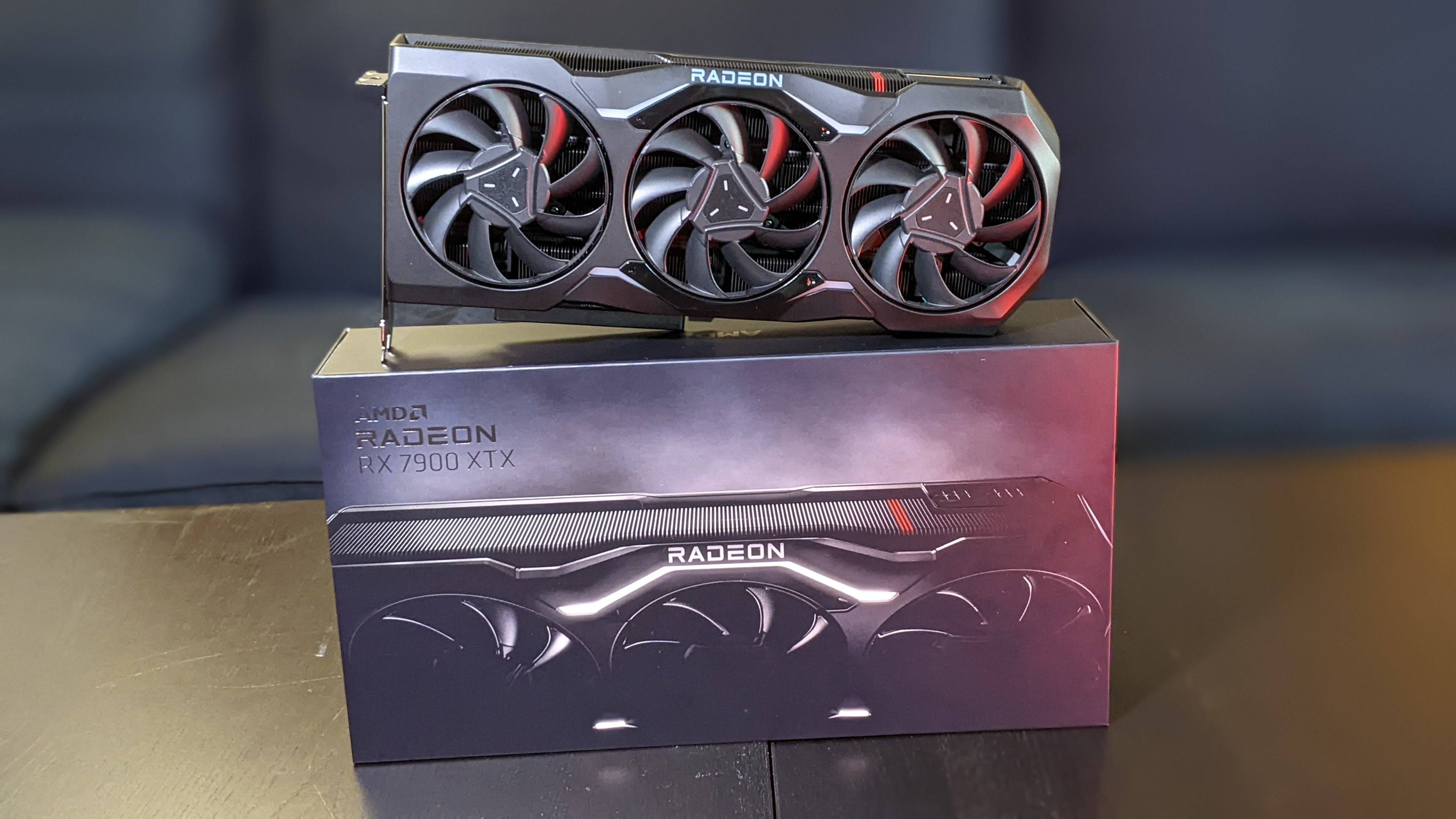
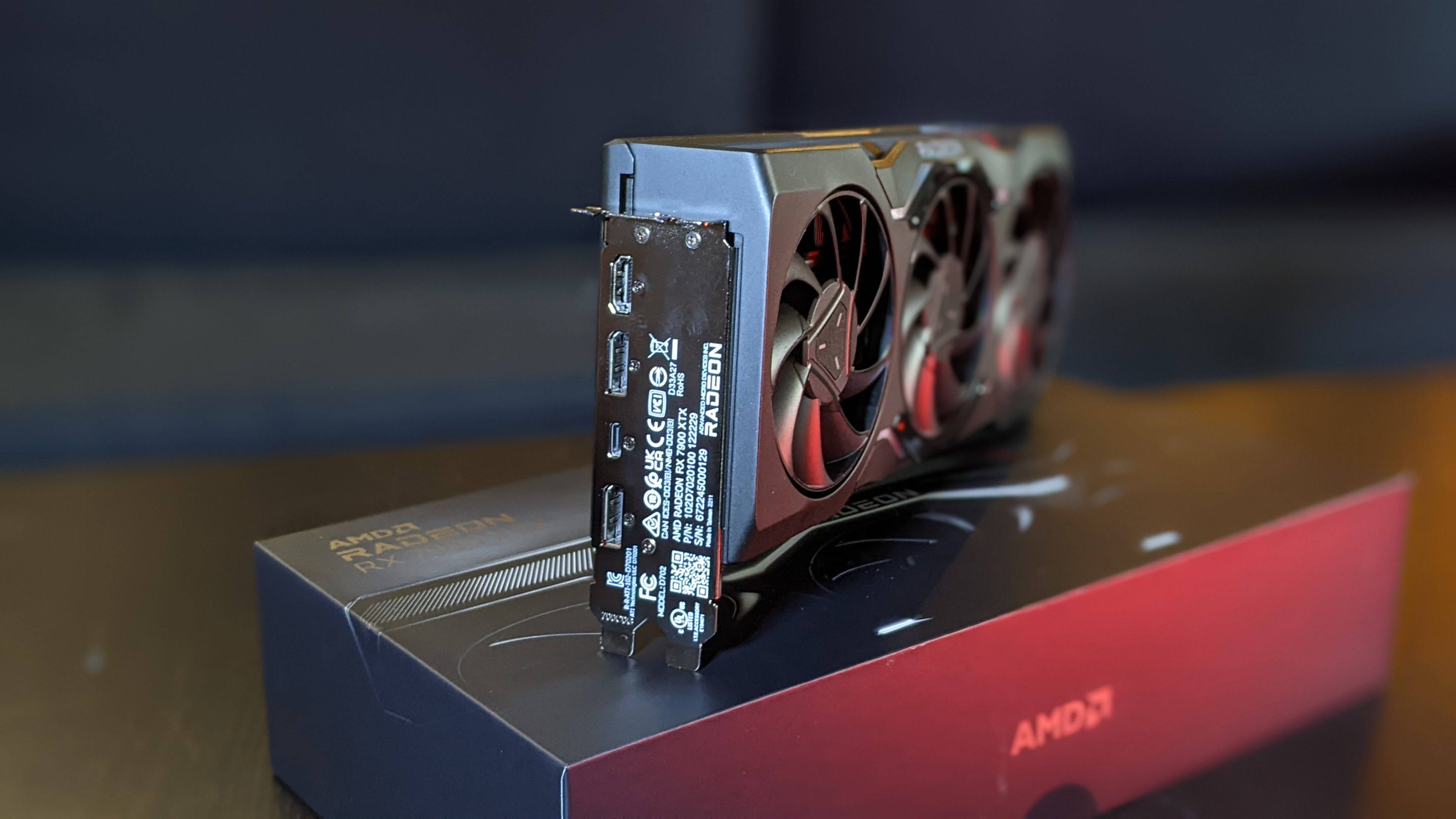
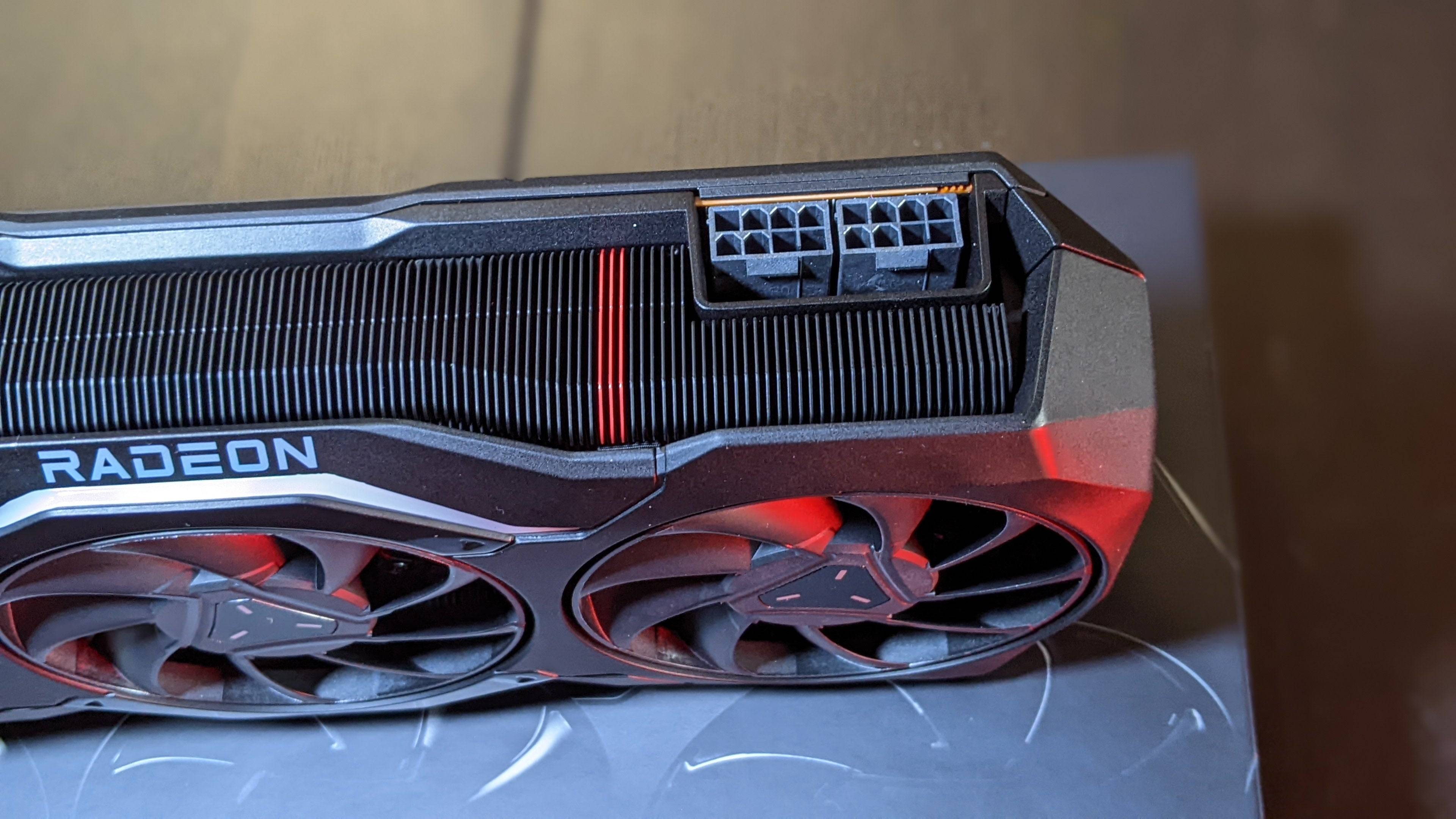
Best For 4K: AMD Radeon RX 7900 XTX
The best 4K AMD graphics card### Sapphire Pulse Radeon RX 7900 XTX
8The AMD Radeon RX 7900 XTX is a powerhouse for 4K gaming. See it at Amazon
Product Specifications
Streaming Multiprocessors: 6144Base Clock: 1929 MHz
Game Clock: 2365 MHz
Video Memory: 24GB
Memory Bandwidth: 960 GB/s
Memory Bus: 384-bit
Power Connectors: 2 x 8-pin
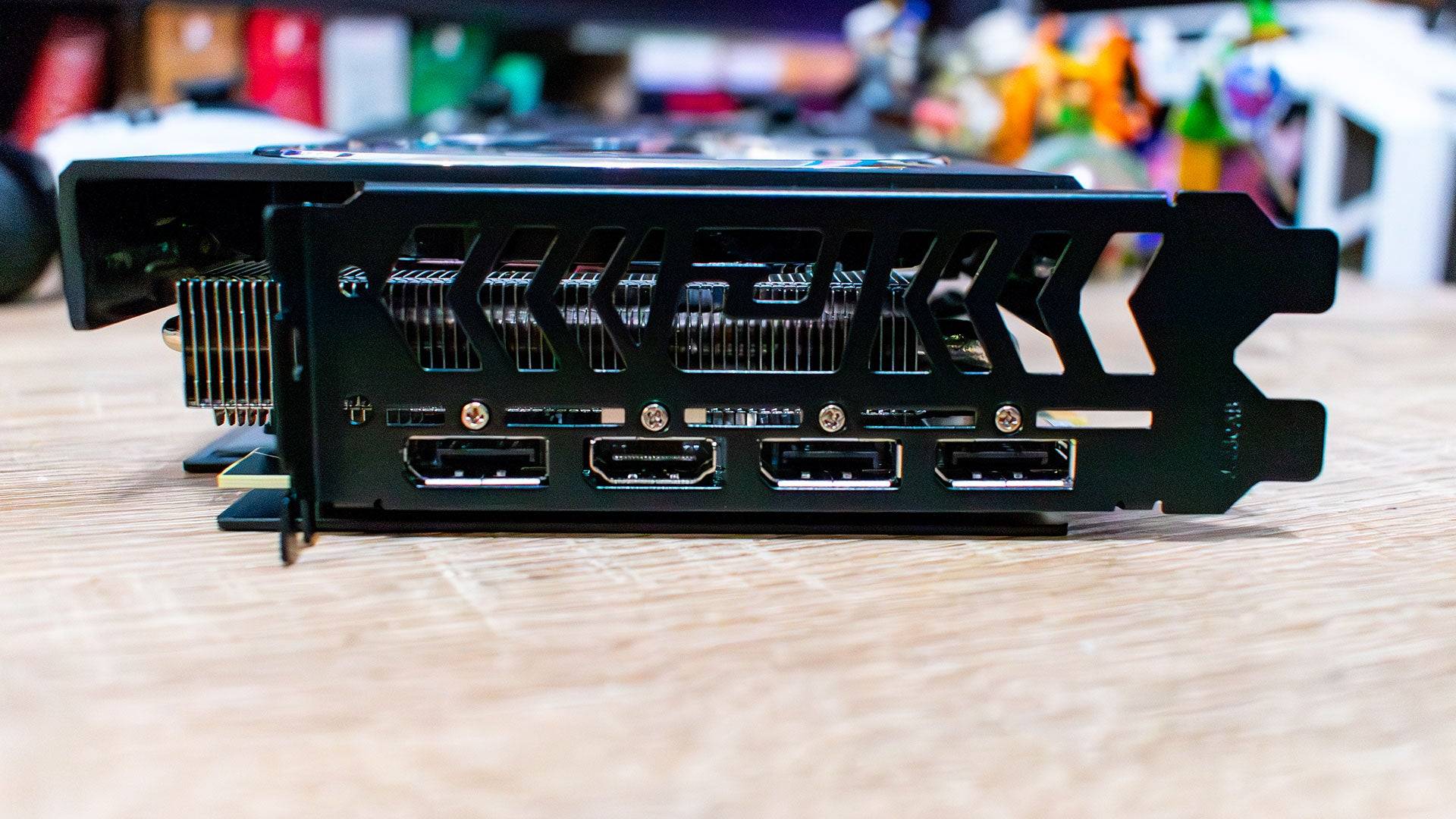
Outputs: 1 x HDMI 2.1a, 2 x DisplayPort 2.1, 1 x USB-C
PROS
- Excellent performance at 4K
- More VRAM than needed for gaming
CONS
- Can fall behind in ray tracing performance
For those seeking the ultimate 4K gaming experience, the AMD Radeon RX 7900 XTX, priced around $900, offers unmatched performance. It rivals or surpasses the Nvidia GeForce RTX 4080 in many tests, providing a superior price-to-performance ratio. Its 24GB of VRAM ensures it can handle even the most demanding games at 4K.
AMD Radeon RX 9070 – Photos
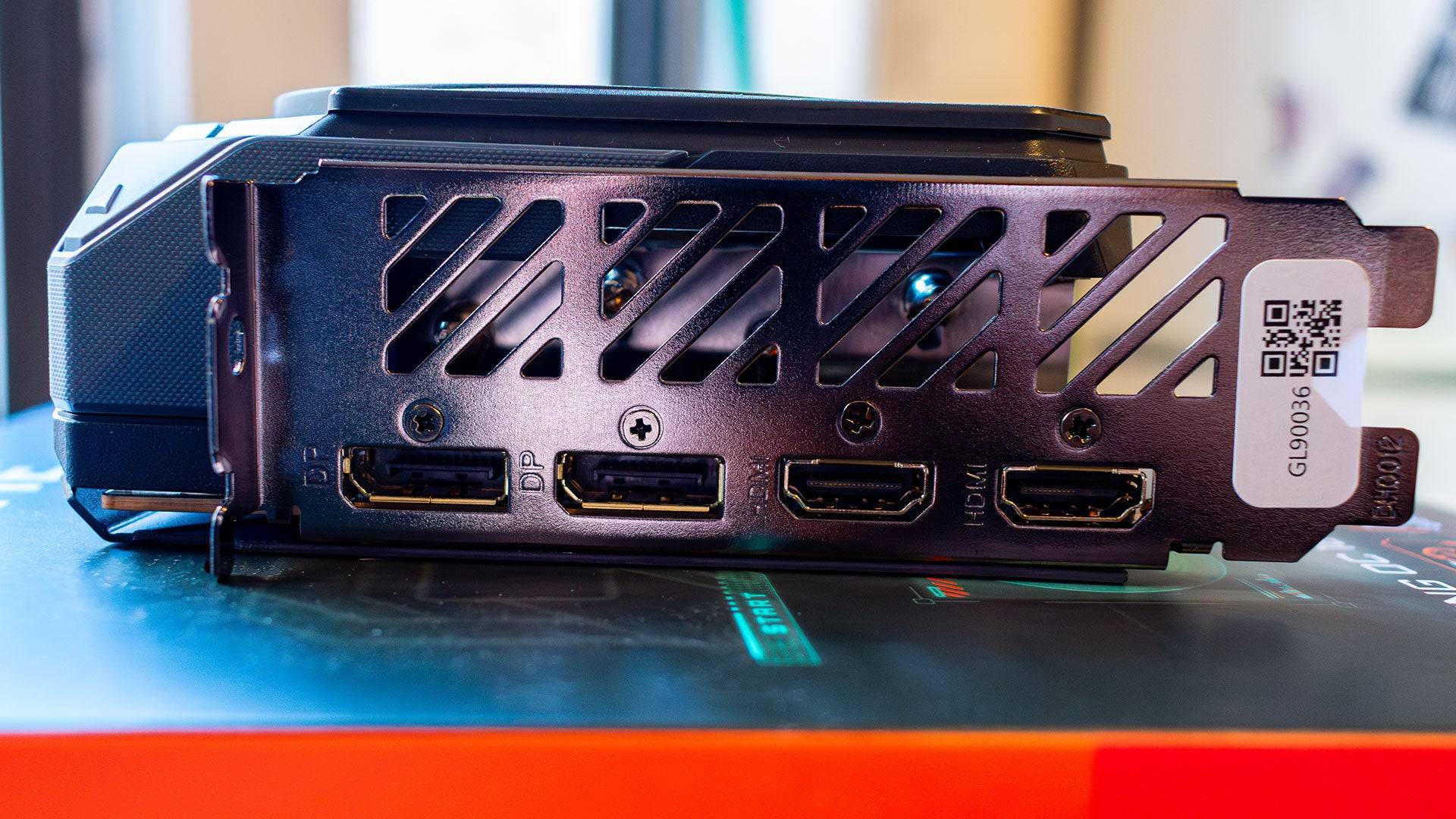
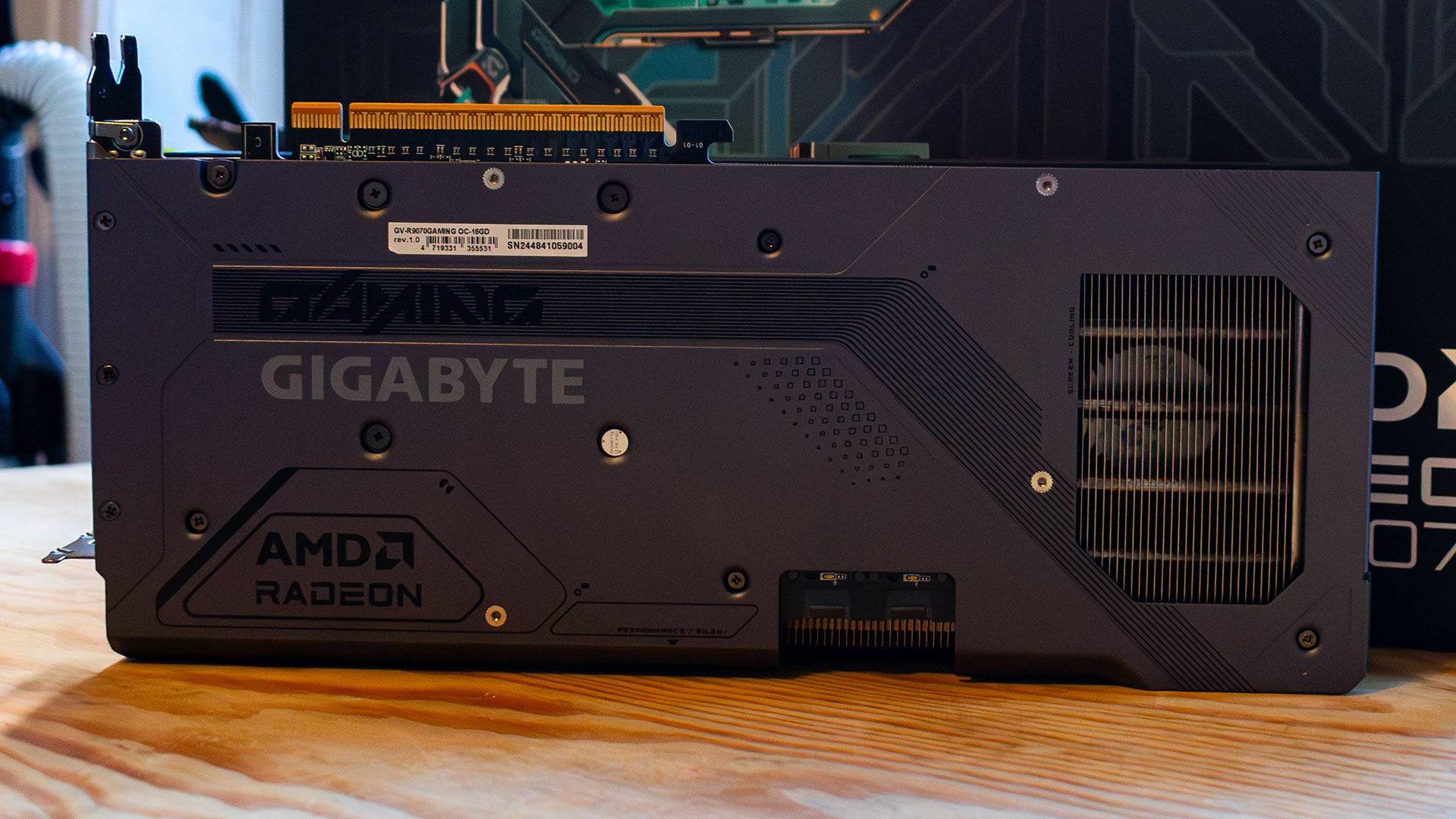 4 Images
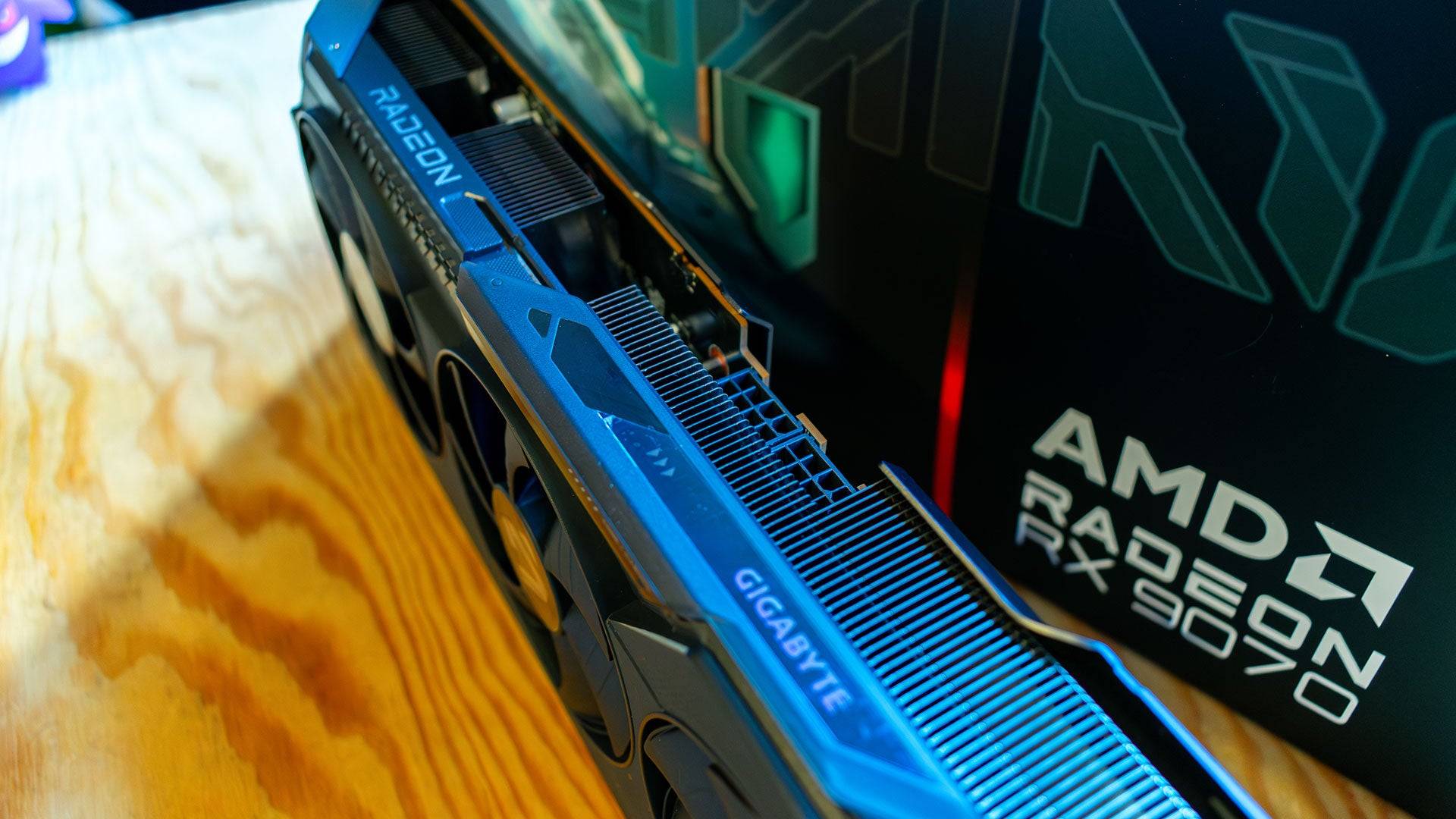
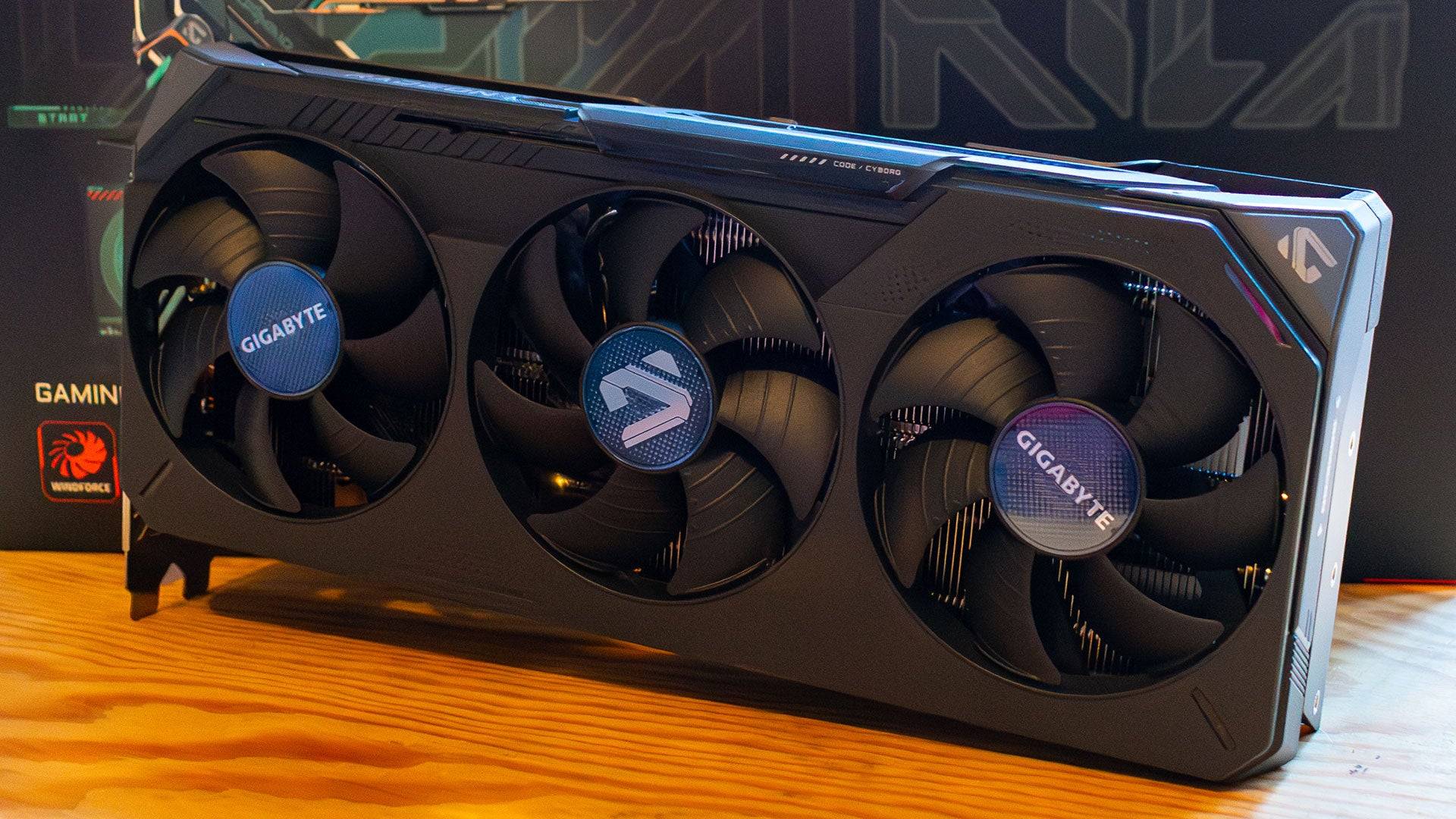
Best for 1440p: AMD Radeon RX 9070
Best AMD Graphics Card for 1440p### AMD Radeon RX 9070
5The AMD Radeon RX 9070 excels at 1440p gaming, offering great value. See it at Newegg
Product Specifications
Streaming Multiprocessors: 3584Base Clock: 1330 MHz
Game Clock: 2520 MHz
Video Memory: 16GB GDDR6
Memory Bandwidth: 644.6 GB/s
Memory Bus: 256-bit
Power Connectors: 2 x 8-pin
PROS
- Excellent 1440p gaming performance
- Introduces AI upscaling to AMD GPUs
CONS
- Priced closely to the RX 9070 XT
The AMD Radeon RX 9070 is a solid choice for 1440p gaming, delivering impressive frame rates and outperforming Nvidia's RTX 5070 by 12%. It also introduces FSR 4, enhancing image quality, though it's priced closely to the more powerful RX 9070 XT.
AMD Radeon RX 7600 XT – Photos
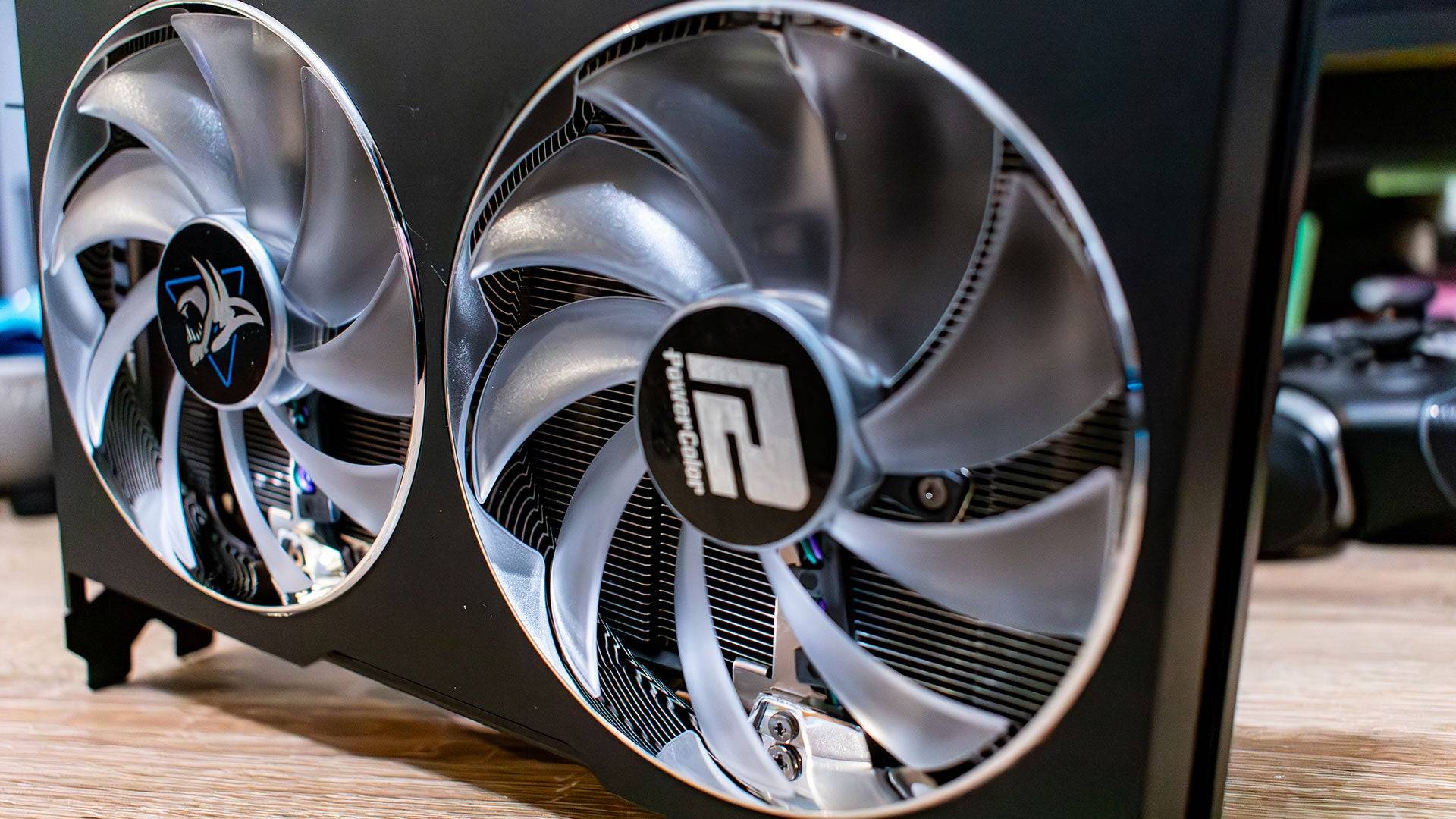
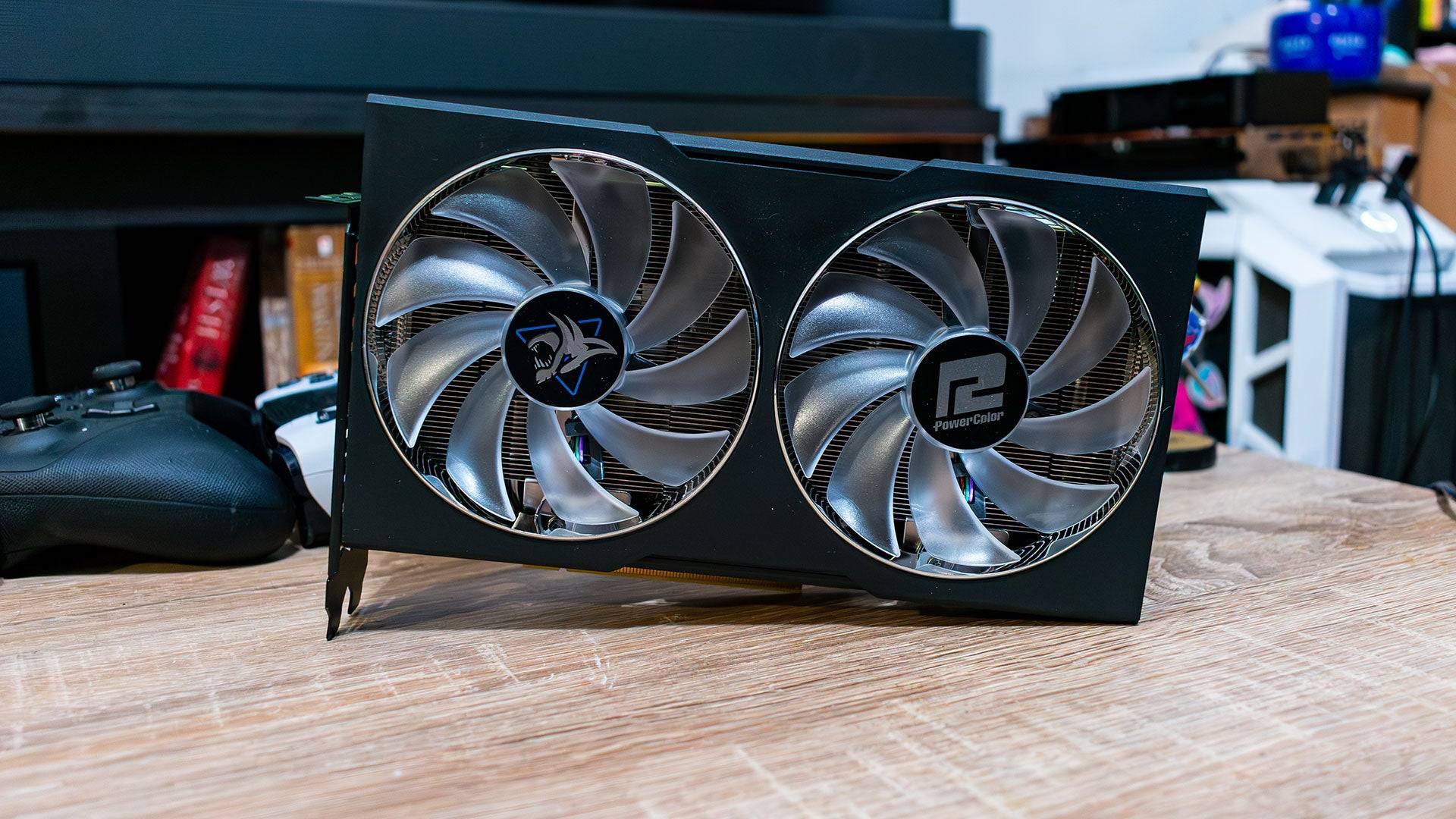 5 Images
Best for 1080p: AMD Radeon RX 7600 XT
Best AMD Graphics Card for 1080p### Gigabyte Radeon RX 7600 XT Gaming OC Windforce
6The AMD Radeon RX 7600 XT is perfect for high-end 1080p gaming. See it at Amazon
Product Specifications
Streaming Multiprocessors: 2048Base Clock: 1980 MHz
Game Clock: 2470 MHz
Video Memory: 16GB GDDR6
Memory Bandwidth: 288 GB/s
Memory Bus: 128-bit
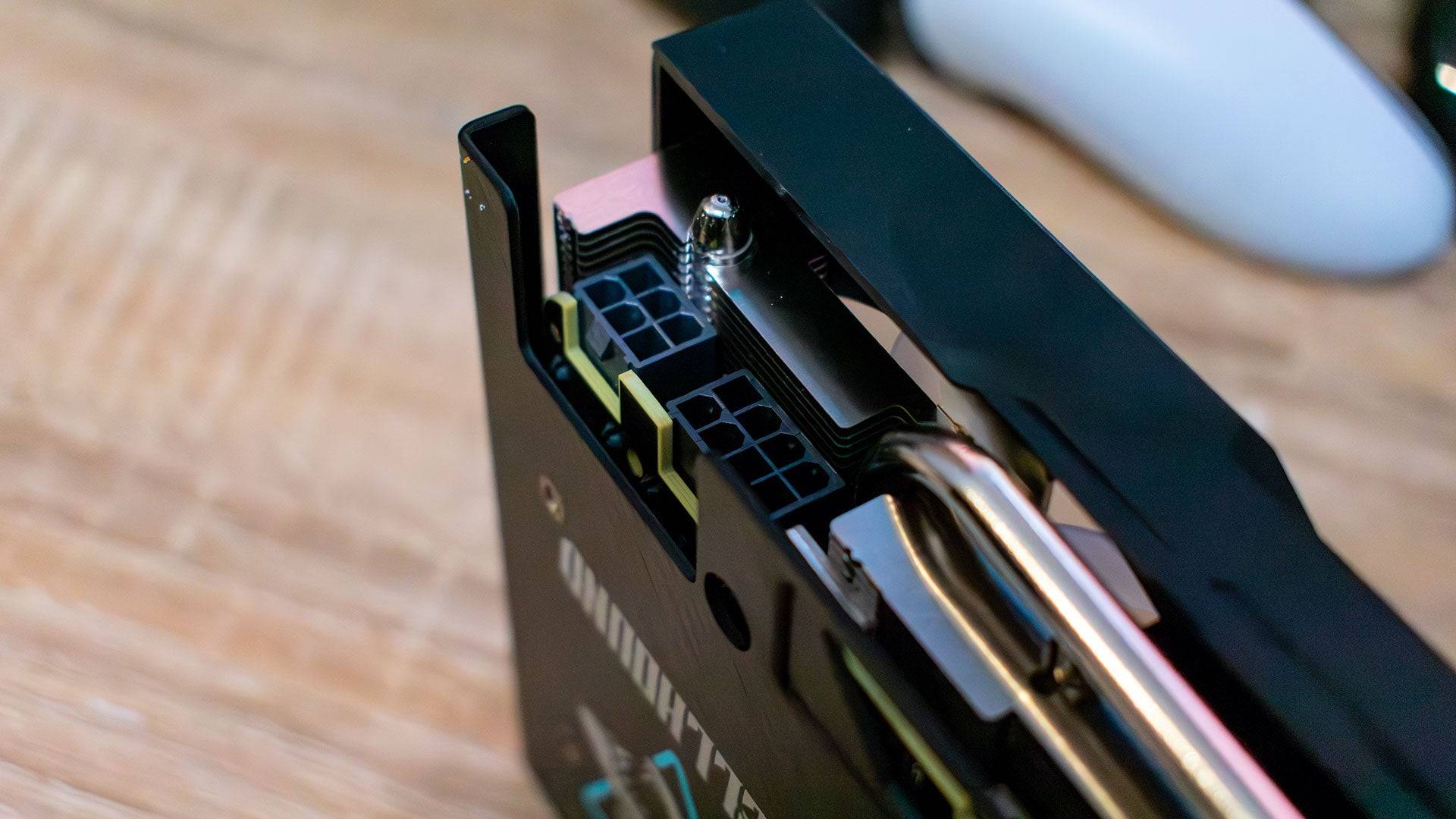
Power Connectors: 1 x 8-pin
Outputs: 1 x HDMI 2.1a, 3 x DisplayPort 2.1
PROS
- Solid performance for the price
- Compact size for any PC build
CONS
- Struggles with some demanding ray tracing games
At 1080p, the AMD Radeon RX 7600 XT shines, offering excellent performance for $309. It handles games like Forza Horizon 5 and Far Cry 6 with ease, though it may struggle with intense ray tracing settings in games like Cyberpunk 2077.
Best on a Budget: AMD Radeon RX 6600
Best AMD Graphics Card on a Budget### XFX Speedster SWFT Radeon RX 6600
5The AMD Radeon RX 6600 is a budget-friendly option for 1080p gaming. See it at Amazon
Product Specifications
Streaming Multiprocessors: 1792Base Clock: 1626 MHz
Game Clock: 2044 MHz
Video Memory: 8GB GDDR6
Memory Bandwidth: 224 GB/s
Memory Bus: 128-bit
Power Connectors: 1 x 8-pin
Outputs: 1 x HDMI 2.1, 3 x DisplayPort 1.4a
PROS
- Ideal for esports
- Very affordable
CONS
- Last-gen technology
The AMD Radeon RX 6600, though a last-gen card, is still a strong contender for budget-conscious gamers. At around $199, it delivers solid 1080p performance, especially for esports and less demanding games.
What is FSR?
FidelityFX Super Resolution (FSR) is AMD's upscaling technology for PCs. It uses data from recent frames and motion vectors to upscale lower resolution frames to your monitor's native resolution. Earlier versions were software-based, but FSR 4, introduced with the RX 9070 and 9070 XT, utilizes AI for more accurate upscaling, improving image quality at a slight performance cost. FSR also includes frame generation to boost frame rates, though it's best used at higher frame rates to minimize latency.
What is Ray Tracing?
Ray tracing enhances realism in games by simulating the natural behavior of light. It traces each ray of light as it interacts with the game environment, significantly increasing the GPU's workload. Initially limited to specific elements like reflections, modern games like Cyberpunk 2077 use full path tracing, which demands powerful GPUs with dedicated RT Cores and often relies on upscaling technologies like FSR for smooth gameplay.
Latest News
more >-

- Universal Piece Trello and Wiki Links
- Oct 22,2026
-

-

-

-