How Frank Miller Returned to Daredevil for Born Again
- By Layla
- May 05,2025
The mid-1980s marked a golden era for Marvel Comics, both creatively and financially. Having overcome the financial struggles of the late 1970s, largely thanks to the success of Star Wars, Marvel was poised to revolutionize the comic industry with the launch of Secret Wars in 1984. This event had profound effects on the Marvel Universe and the broader comic industry, setting new trajectories for Marvel's heroes and villains that would resonate for years.
This period also saw the release of other landmark stories such as Frank Miller's Born Again arc in Daredevil, the return of Jean Grey in X-Factor, and Walt Simonson's Surtur Saga in Thor, among others. In this article, we delve into these pivotal narratives and other significant stories from the same timeframe. Join us as we continue our exploration of Marvel's essential issues in Part 8 of our series!
More Essential Marvel
- 1961-1963 - The Birth of a Universe
- 1964-1965 - The Sentinels Are Born and Cap Dethaws
- 1966-1969 - How Galactus Changed Marvel Forever
- 1970-1973 - The Night Gwen Stacy Died
- 1974-1976 - The Punisher Begins His War on Crime
- 1977-1979 - Star Wars Saves Marvel From Bankruptcy
- 1980-1982 - Did the Dark Phoenix Saga Usher in the Greatest Decade for Marvel?
Frank Miller's Born Again and Walt Simonson's Surtur Saga
For some of the most celebrated storylines of this era, look no further than Born Again, Frank Miller's return to writing Daredevil, this time with David Mazzuchelli on art. This arc, spanning Daredevil #227-233, is often considered the definitive Daredevil story. It follows Karen Page, who, in a desperate state of addiction, sells Daredevil's secret identity for heroin. The information eventually reaches the Kingpin, who uses it to systematically destroy Matt Murdock's life, leaving him homeless and jobless. Matt's journey back to becoming Daredevil, and the Kingpin's descent into fanaticism, crafts a compelling narrative. This story was adapted in Season 3 of Netflix’s Daredevil and inspired the title of the Disney+ series Daredevil: Born Again.
 Daredevil: Born Again
Walt Simonson's tenure on Thor, starting with issue #337 in 1983, introduced Beta Ray Bill, an alien worthy of wielding Mjolnir. Simonson's work revitalized Thor's mythic fantasy roots, culminating in the epic Surtur Saga from #340-353. This saga features the fire demon Surtur's quest to bring about Ragnarok using the Twilight Sword, with Thor facing new challenges from Malekith the Accursed. The story's climax sees Thor, Loki, and Odin united against Surtur. Elements of this saga influenced the plots of Thor: The Dark World and Thor: Ragnarok.
Secret Wars Changes Comics Forever
In Part 4 of this series, we explored how the 1973 Avengers/Defenders War foreshadowed the event crossovers that would become a staple for Marvel and DC. This trend fully emerged with the 1984 release of Secret Wars, a 12-issue miniseries by Jim Shooter, Mike Zeck, and Bob Layton. Conceived as a marketing tie-in with Mattel, the story involves the Beyonder transporting Marvel's heroes and villains to Battleworld to battle for supremacy. While the series is known for its large cast and significant impact on the Marvel Universe, it's often critiqued for its lack of depth and character consistency. The success of Secret Wars led to Secret Wars II and influenced the industry-wide shift towards event-driven storytelling, alongside DC's Crisis on Infinite Earths.
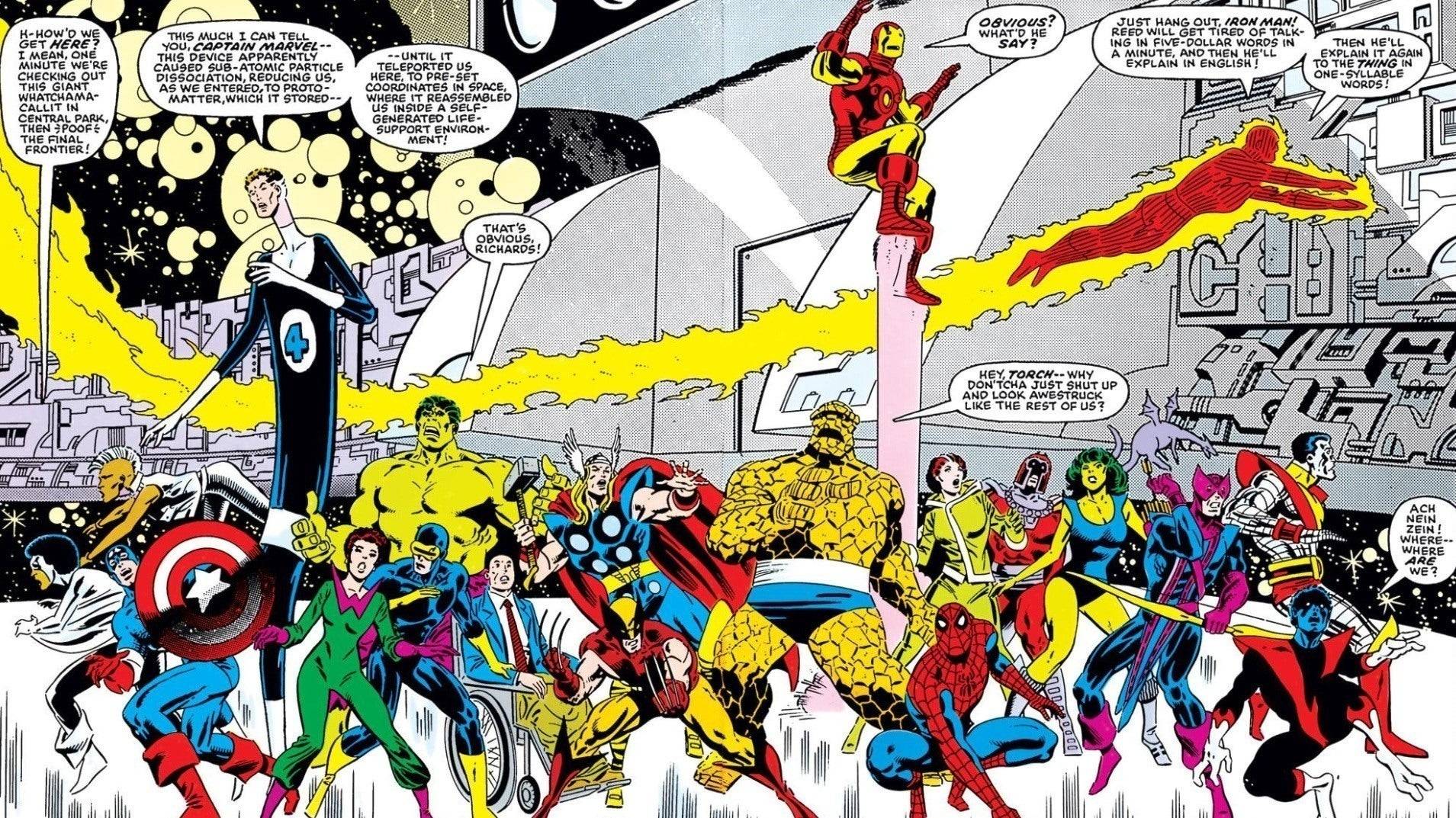 Secret Wars #1
Spider-Man’s Symbiote Suit and Other Iconic Spidey Stories
Following the foundational runs by Stan Lee and Gerry Conway, Roger Stern revitalized Amazing Spider-Man starting with issue #224. His tenure introduced the Hobgoblin in #238, quickly establishing him as a formidable adversary. Stern's original Hobgoblin saga was cut short due to editorial interference, but he later resolved the villain's identity in the 1997 miniseries Spider-Man: Hobgoblin Lives.
Stern's departure coincided with the debut of Spider-Man's black symbiote costume in Amazing #252, which originated in Secret Wars #8. This costume sparked a long-running subplot leading to the introduction of Venom. The symbiote saga has been adapted across various media, including Spider-Man 3, Spider-Man: The Animated Series, Spectacular Spider-Man, and Insomniac’s Spider-Man 2. Another significant story from this period is The Death of Jean DeWolff in Spectacular Spider-Man #107-110, a darker tale involving Spider-Man's pursuit of the Sin-Eater and his conflict with Daredevil.
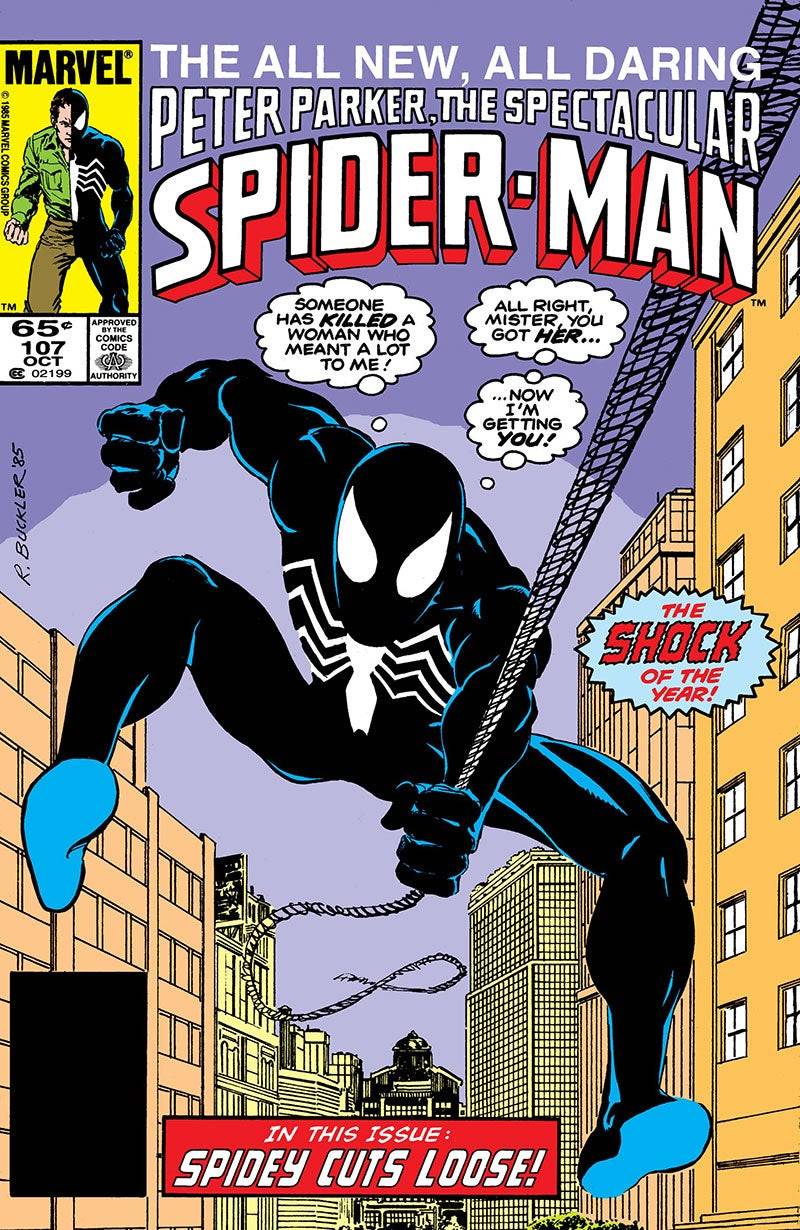 Spectacular Spider-Man #107
Jean Grey Returns, the Rise of Apocalypse, and Other Mutant Landmarks
The mid-1980s were also a transformative time for Marvel's mutants. Vision and the Scarlet Witch #4 confirmed Magneto as the father of Quicksilver and Scarlet Witch, a revelation that stood for decades. X-Men #171 saw Rogue join the X-Men, cementing her status as a beloved heroine. Magneto's trial in X-Men #200 led to his leadership of Xavier's School, marking a significant shift in his character.
The resurrection of Jean Grey in Avengers #263 and Fantastic Four #286, and her subsequent formation of X-Factor with the original X-Men, were pivotal moments. X-Factor #5-6 introduced Apocalypse, an ancient mutant who became a central antagonist in the X-Men universe. Apocalypse's influence extended to various adaptations, including the 2016 film X-Men: Apocalypse.
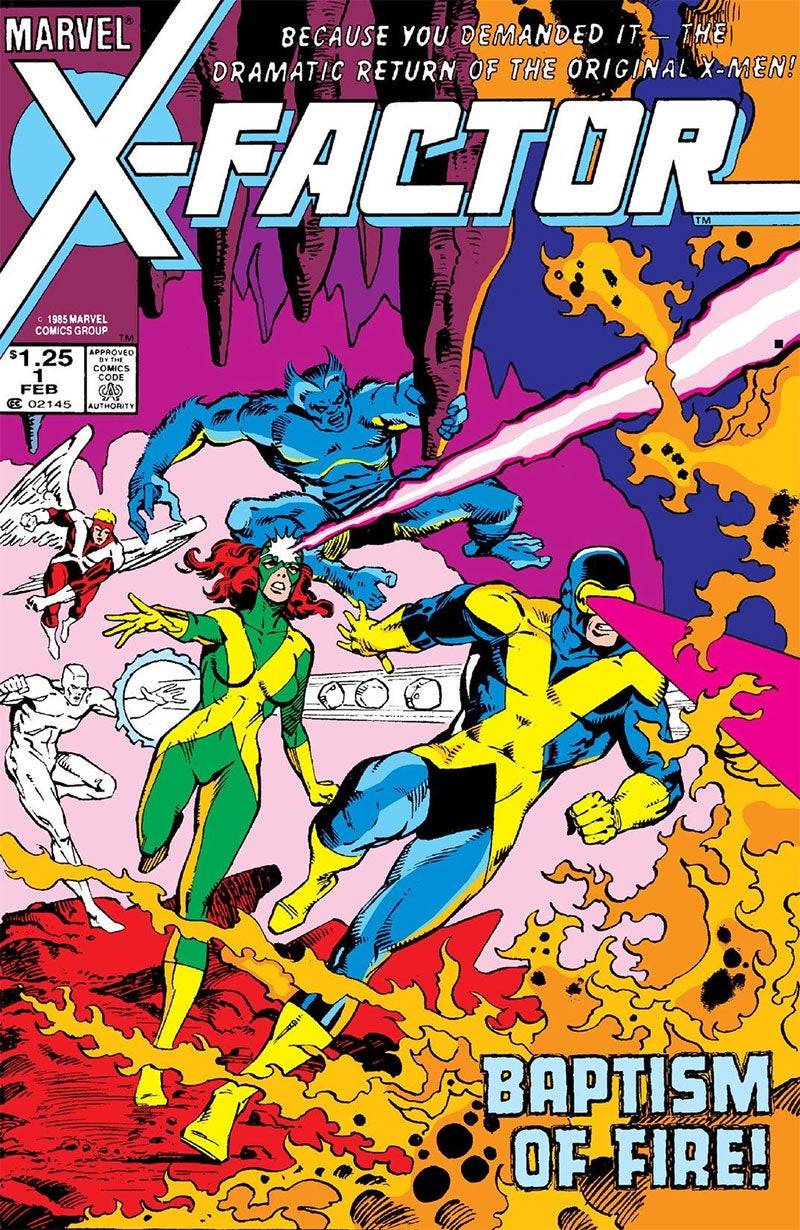 X-Factor #1
Latest News
more >-
-

- Universal Piece Trello and Wiki Links
- Oct 22,2026
-

-

-