The Gaming Laptop Trends of CES 2025
- By Joshua
- Feb 28,2025
CES 2024 showcased a plethora of gaming laptops, revealing key trends shaping the market. This overview highlights the most significant developments.
Diverse Design Language
While gaming laptops have always offered stylistic variety, this year felt particularly distinct. Manufacturers like Gigabyte and MSI are blurring the lines between productivity and gaming aesthetics. High-end models are increasingly emphasizing design features beyond raw hardware specifications.
This translates to a broader range of choices. Sleek, professional designs like the Gigabyte Aero series cater to diverse user needs, while others, such as the MSI Titan 18 HX AI Dragonforged Edition, boldly display their gaming pedigree.
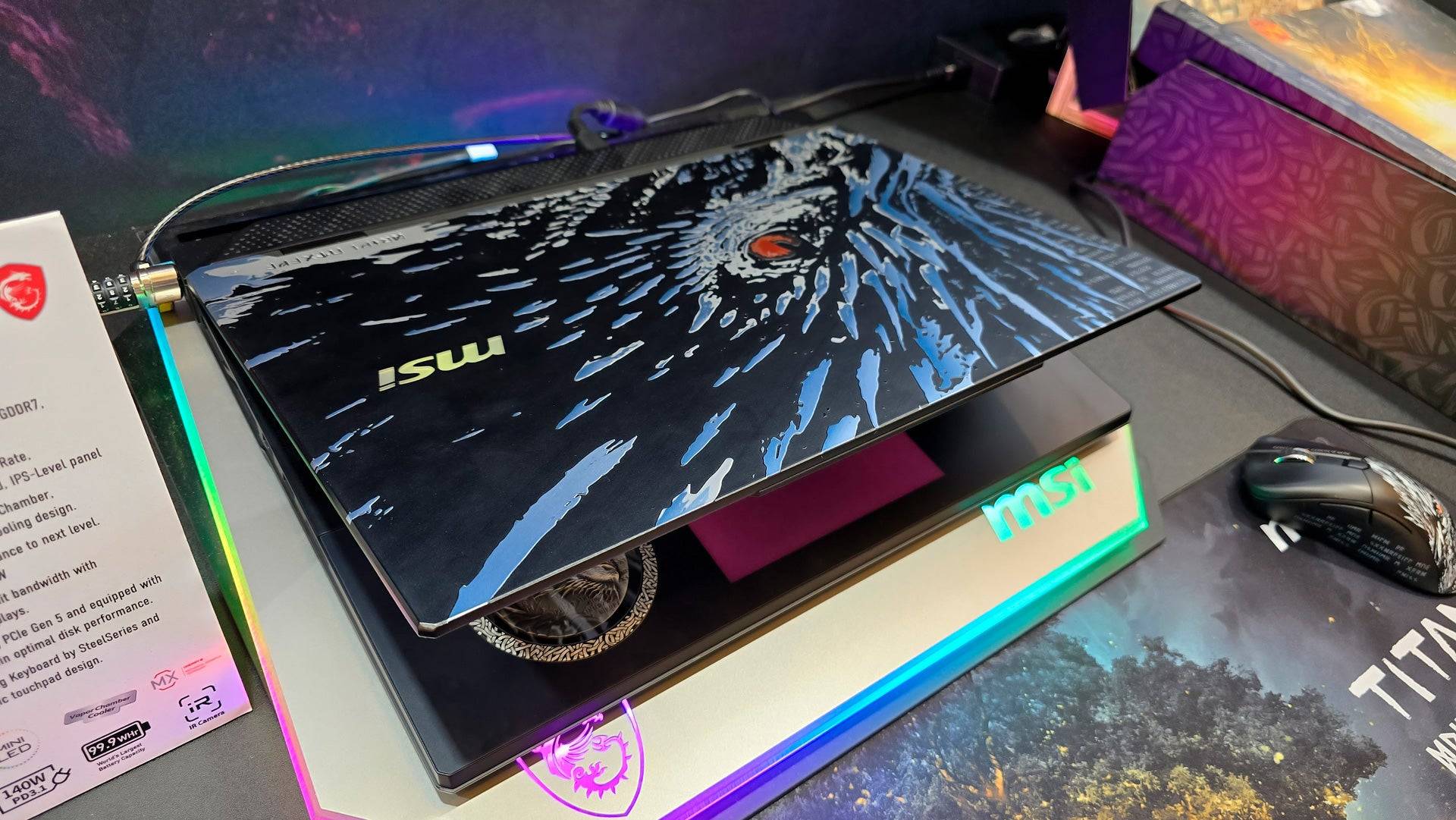 RGB lighting remains a staple, with innovative implementations like wrap-around rings, illuminated keyboards, and even trackpad lighting. The Asus ROG Strix Scar series impressed with its AniME Dot Matrix LED display, showcasing customizable text and animations. Expect a continuation of this trend, alongside the usual spectrum of form factors, from bulky powerhouses to slim and lightweight portables.
The Rise of AI Assistants
AI integration in laptops gained traction last year, but often fell short. This year, several vendors presented AI assistants designed for seamless PC control without requiring manual software interaction.
One demonstration showcased an MSI representative instructing the chatbot to launch a specific game; the assistant automatically optimized performance settings. While promising, the practical speed advantage over manual adjustments remains to be seen. Further evaluation of offline capabilities and overall functionality is needed.
Mini-LED, Rollable Screens, and Other Innovations
Mini-LED technology is finally making a significant impact. Asus, MSI, and Gigabyte showcased Mini-LED laptops with top-tier specifications and pricing. These models boast over 1,100 local dimming zones for enhanced contrast and brightness, surpassing previous iterations in visual quality. While OLED still holds an edge in contrast, Mini-LED's superior sustained brightness and absence of burn-in make it a compelling alternative.
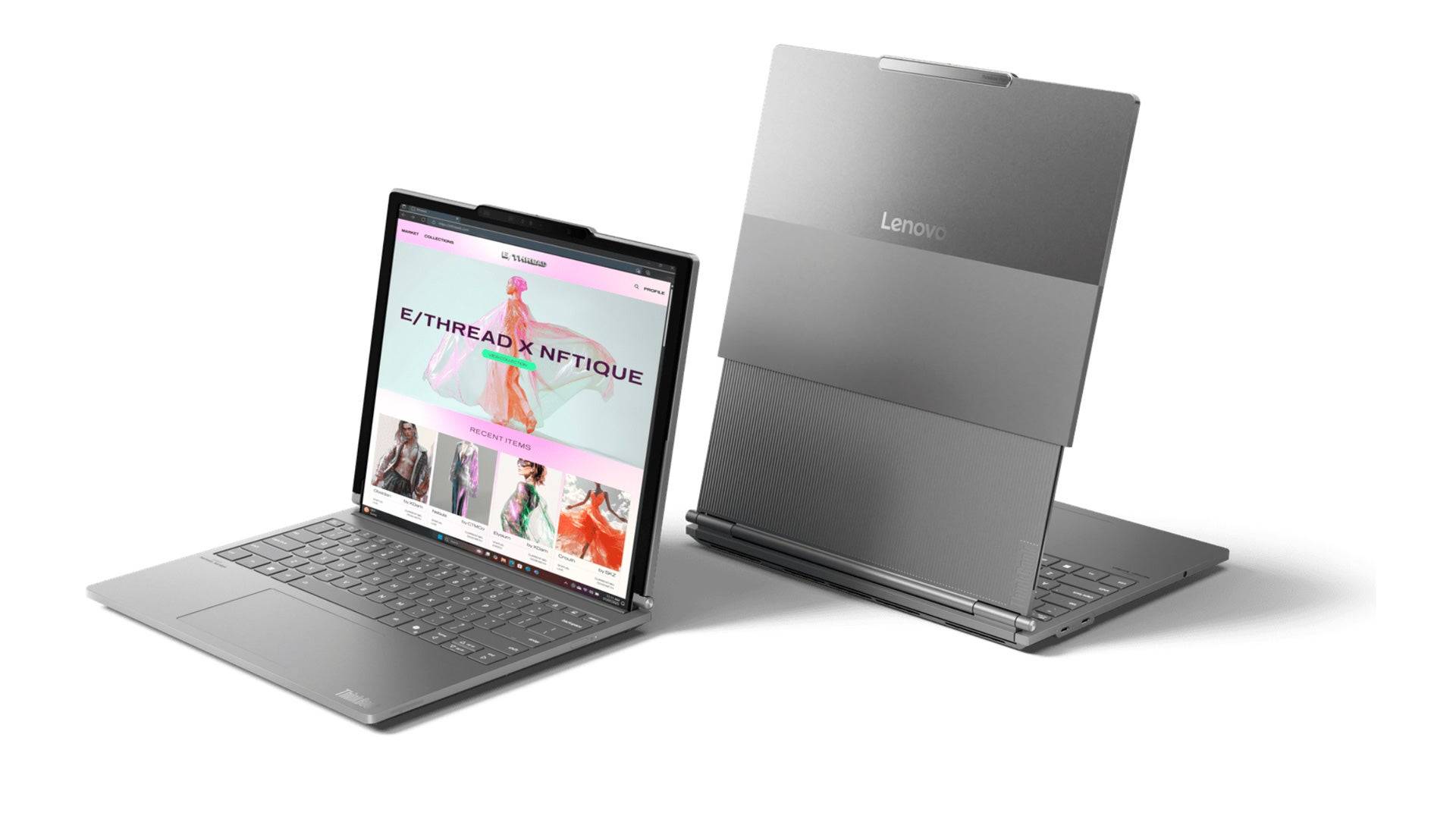
Other notable innovations included the return of the ASUS ROG Flow X13 with USB4 eGPU support, and Lenovo's groundbreaking ThinkBook Plus Gen 6 Rollable, featuring a unique rollable OLED display. While the rollable screen's durability remains a concern, it represents a significant step forward in laptop design.
Ultrabooks Gaining Ground in the Gaming Sector
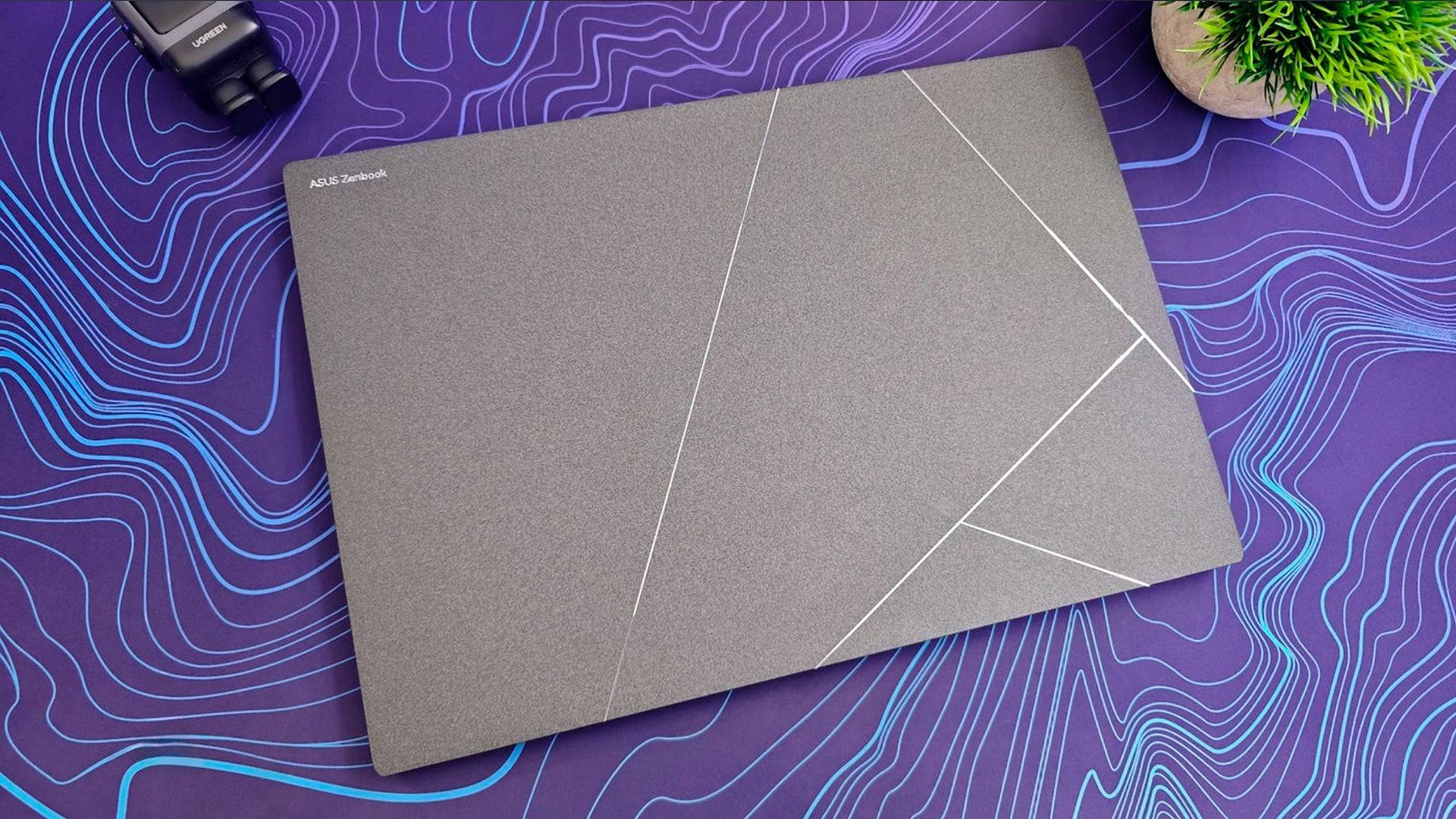
Ultrabooks are increasingly prevalent in gaming laptop lineups. Major manufacturers are embracing this thin, light, and minimalist design, exemplified by Gigabyte's revamped Aero series.
These devices offer a compelling balance between portability and gaming capabilities. With the latest AMD and Intel processors and features like AMD FidelityFX Super Resolution and Intel XeSS, even integrated graphics can deliver surprisingly playable performance, potentially reducing reliance on dedicated graphics cards like the RTX 4050M. Cloud gaming services like Xbox Cloud Gaming and Nvidia GeForce Now further enhance this trend, offering high-quality gaming experiences without dedicated hardware.
The gaming laptop landscape is evolving rapidly. These are just some of the exciting developments we expect to see unfold throughout the year. What trends caught your attention? Share your thoughts in the comments!
Latest News
more >-
-

- Universal Piece Trello and Wiki Links
- Oct 22,2026
-

-

-