Every Persona Game and Spin-Off in Order
- By Noah
- Apr 14,2025
Originally conceived as a spin-off of the Shin Megami Tensei series, the Persona franchise has evolved into a powerhouse within the realm of modern RPGs. Its impact stretches far beyond gaming, with numerous sequels, remakes, anime adaptations, and even stage plays contributing to its status as a multimedia phenomenon. The popularity of Persona shows no signs of waning, as evidenced by the recent release of Persona 3 Reload, available on PlayStation 5, Xbox Series X, and PC. For those new to the series, deciding where to start can be daunting, but fear not—below, we provide a comprehensive guide to every game and spin-off, highlighting the best entry points for newcomers, as well as the chronological and release order of the series.
Jump to:
- How to play in order
- How to play by release date
- Upcoming releases
Answer
See Results
How Many Persona Games Are There?
Currently, the Persona series boasts a total of twenty games. This count includes expanded versions of the mainline entries, such as re-releases with new story content or remakes. We'll list every alternate version of each game below, excluding direct ports or remasters.
Which Persona Game Should You Play First?
If you're new to Persona and wondering where to start, you can confidently dive into Persona 3 Reload, Persona 4 Golden, or Persona 5 Royal. These are the most recent iterations of the third, fourth, and fifth mainline entries, respectively, and are available on PC and major consoles, with the exception of Persona 3 Reload, which is not available on the Nintendo Switch.
Don't worry about missing out on the story by starting with these later entries. Each game features a fresh narrative with new characters that stands independently from its predecessors, making them excellent starting points. To help you choose, consider watching gameplay videos and exploring the social links in each game to see which one resonates with you the most.
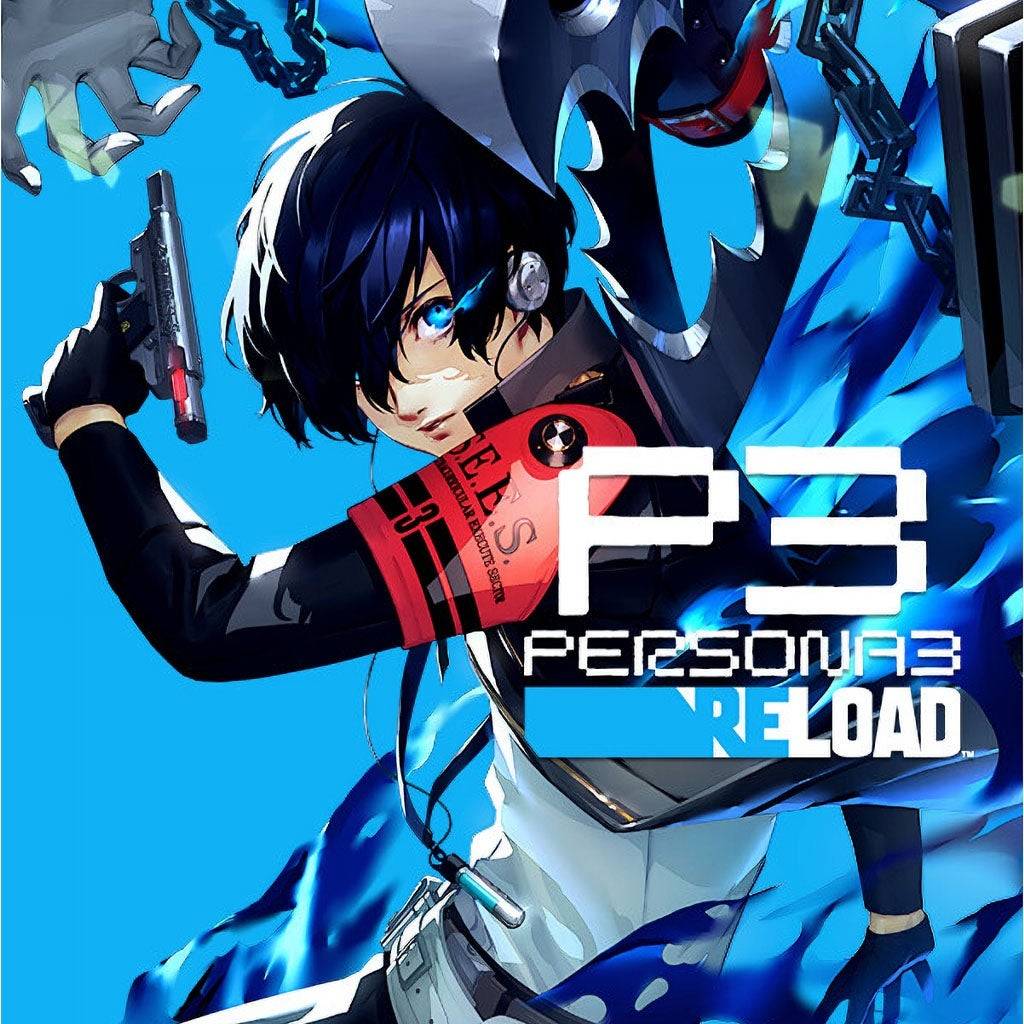
Persona 3 Reload
54
Available on PS5, PS4, and Xbox Series X.
See it at Amazon
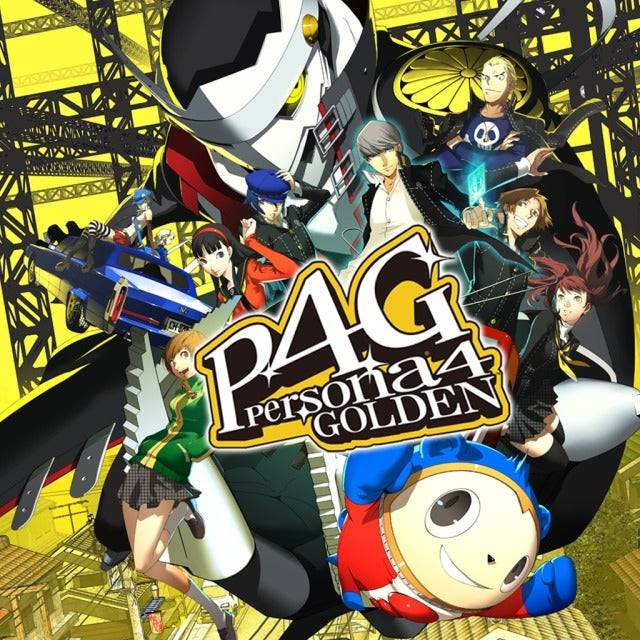
Persona 4 Golden
42
Available on PC, Xbox, PS5, and Nintendo Switch
See it at Nintendo
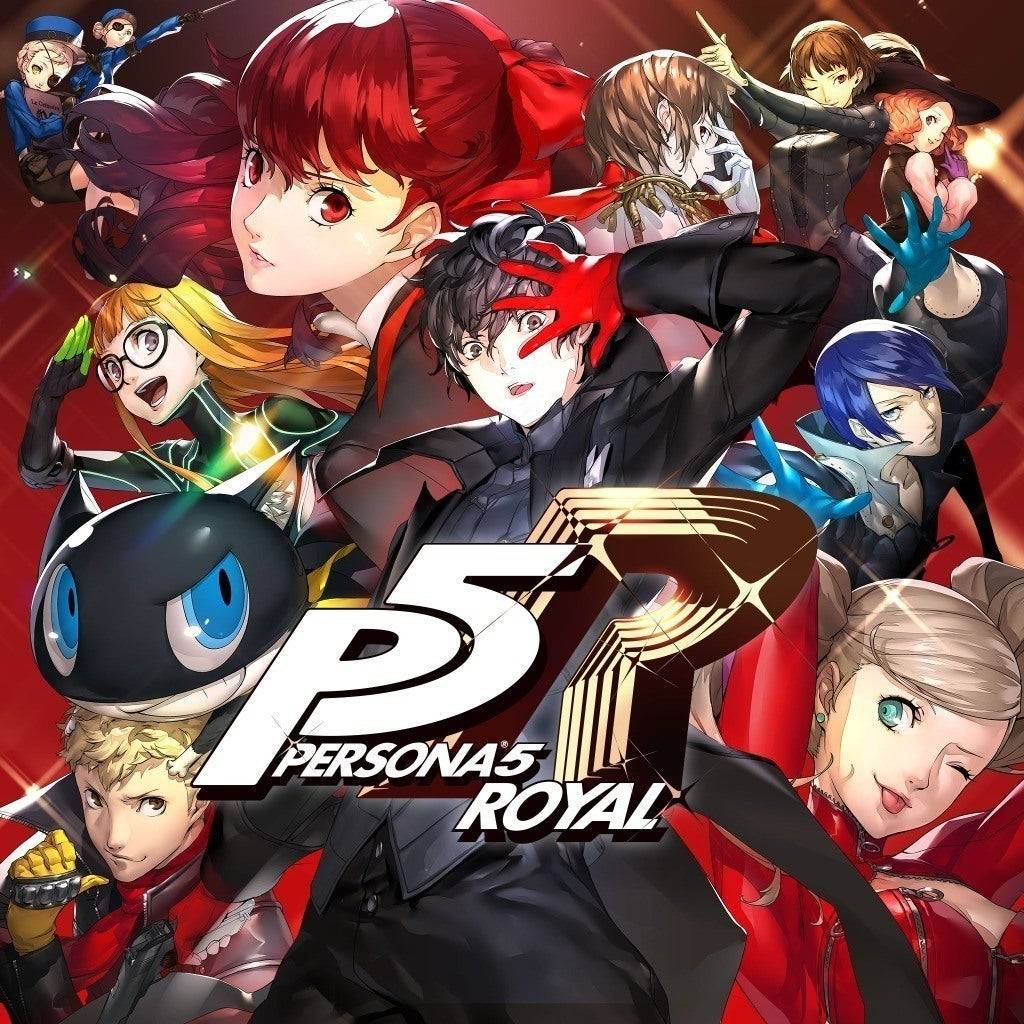
Persona 5 Royal
103
Available on PC, Xbox, PS5, and Nintendo Switch
See it at Amazon
Every Persona Game and Spin-Off in Chronological Order
These summaries include mild spoilers for each game, covering characters, settings, and story beats.
1. Revelations: Persona (1996)
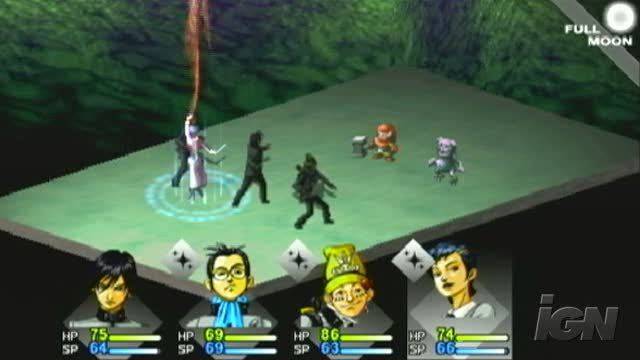
The inaugural title in the series, Revelations: Persona, emerged from Atlus's response to the positive reception of Shin Megami Tensei: If... This spin-off, centered around high-schoolers battling demons, inspired Atlus to develop a full-fledged dungeon-crawling RPG. Set in Mikage-cho, the game follows a group of high schoolers using their awakened Personas to combat a supernatural uprising. Revelations: Persona laid the groundwork for the series, introducing key elements like Persona combat, the Velvet Room, and a teenage cast of heroes.
2. Persona 2: Innocent Sin (1999)

Persona 2: Innocent Sin, released in 1999, follows a new group of high school students led by Tatsuya Suou. They embark on a mission to thwart a mysterious villain, Joker, and the cult of the Masked Circle. The game's plot revolves around rumors coming to life in Sumaru City, blending dungeon exploration, Persona battles, and party development. Notably, Persona 2: Innocent Sin received a direct sequel, Persona 2: Eternal Punishment, just a year later.
Read our review of Persona 2: Innocent Sin.
3. Persona 2: Eternal Punishment (2000)
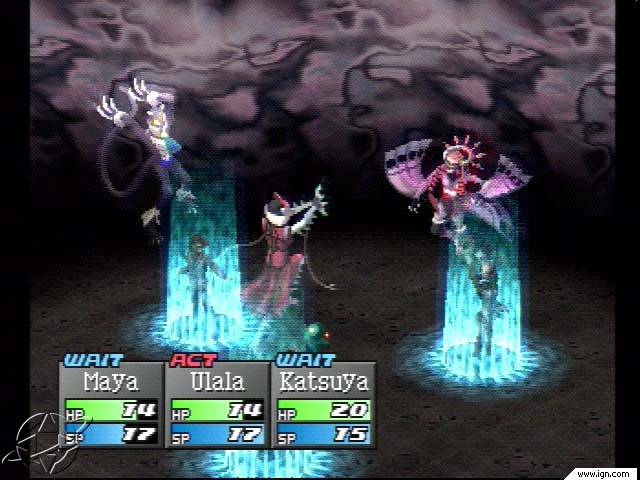
Continuing from Innocent Sin, Eternal Punishment elevates Maya Amano to the protagonist role. Tasked with investigating the Joker Curse phenomenon, Maya and her allies face a recurring adversary. The game maintains the series' signature turn-based, dungeon-crawling gameplay, as players develop their party and harness their Personas to battle shadows.
Read our review of Persona 2: Eternal Punishment.
4. Persona 3 (2006) / Persona 3 FES (2007) / Persona 3 Portable (2009) / Persona 3 Reload (2024)

Persona 3 marked a significant evolution for the franchise by emphasizing its high school setting. The game introduces a daily calendar system, splitting gameplay between school life and battling shadows in the mysterious realm of Tartarus. Protagonist Makoto Yuki discovers the Dark Hour, where ordinary people are trapped in coffins and a demonic tower emerges from his school. Alongside his classmates, he unravels a sinister plot threatening the world. Persona 3 is pivotal for introducing social links, daily activities, and mechanics that have become hallmarks of the series.
Read our review of Persona 3 Reload.
Alternate Versions of Persona 3:
Persona 3 has been re-released multiple times. Persona 3 FES added The Answer and an alternate campaign featuring a female protagonist. Persona 3 Portable, designed for handheld play, includes the female protagonist route but omits The Answer. Persona 3 Reload is a modern remake of the original game but does not include The Answer or the female protagonist route.
5. Persona 3: Dancing in Moonlight (2018)

This rhythm-based dancing spin-off of Persona 3 takes place during the main campaign. Elizabeth challenges the S.E.E.S team to a dance-off in the Velvet Room. Set within a dream, the events are canon, featuring the team performing to iconic Persona 3 tracks.
6. Persona 4 (2008) / Persona 4 Golden (2012)

Set in the rural town of Inaba, Persona 4 follows Yu Narukami, a high schooler who moves to live with his uncle and cousin. A series of violent murders coincides with Yu's arrival, leading him and his friends to discover a mysterious realm accessible through TV monitors. They explore this otherworldly space, confronting supernatural forces linked to the murders. Building on Persona 3's mechanics, the game employs a calendar system, social links, and dungeon exploration.
Read our review of Persona 4 Golden.
Alternate Versions of Persona 4:
Persona 4 Golden, released in 2012, is an expanded version with new story content and an additional dungeon, considered the definitive way to experience the game.
7. Persona Q: Shadow of the Labyrinth (2014)

Persona Q: Shadow of the Labyrinth is a crossover set during both Persona 3 and 4's timelines. The S.E.E.S team and the Investigation Squad find themselves trapped in a warped version of Yasogami High School during a typhoon and a cultural festival, respectively. They unite to navigate a labyrinth and unravel an original story, harking back to the series' traditional dungeon-crawler roots.
Read our review of Persona Q: Shadow of the Labyrinth.
8. Persona 4 Arena (2012)
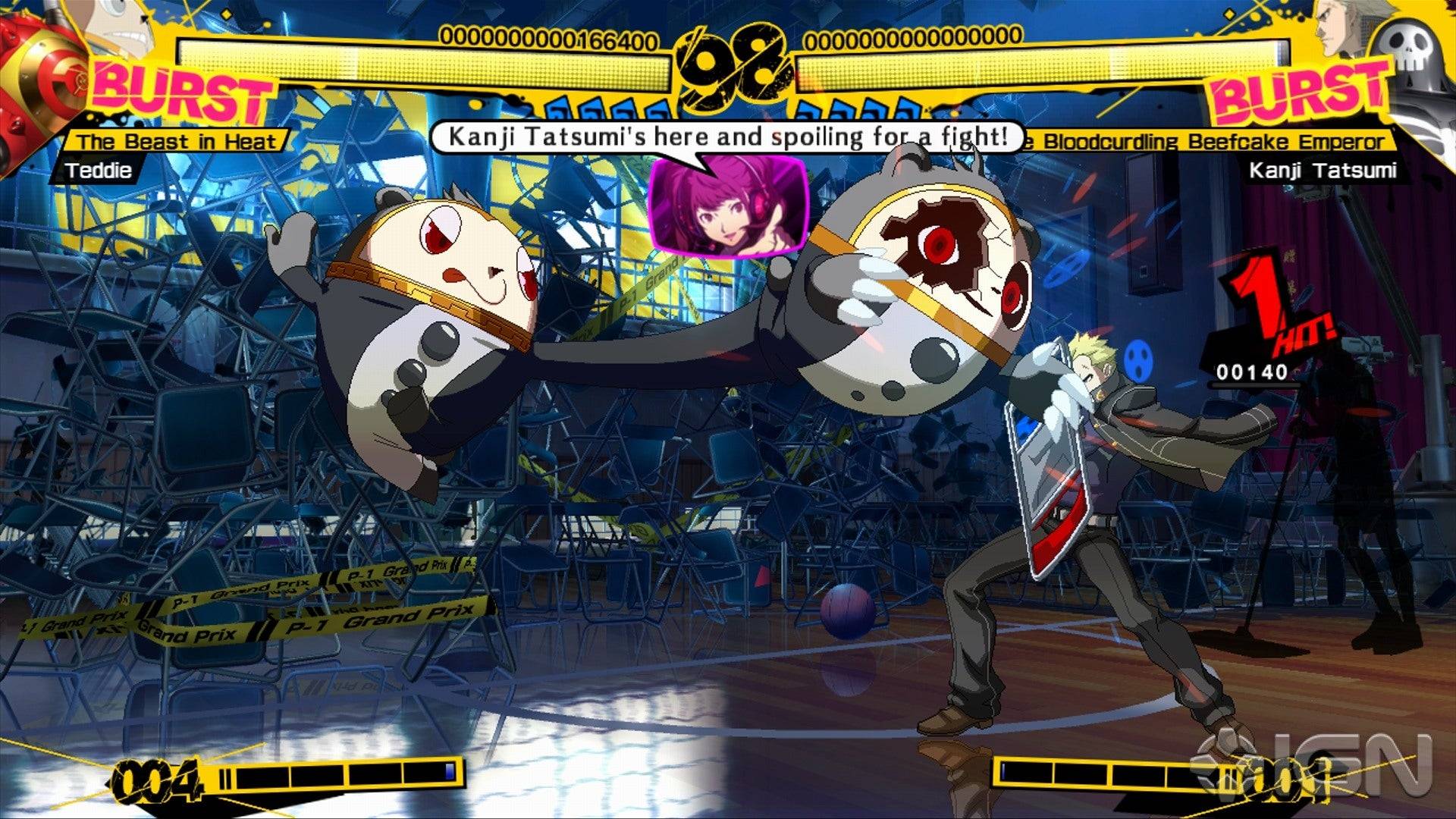
Persona 4 Arena continues the narratives of Persona 3 and 4 through a fighting game format. Yu Narukami returns to Inaba and finds himself in a new adventure involving a mysterious fighting tournament in the TV world. He battles allies and members of the Shadow Operatives from Persona 3.
Read our review of Persona 4 Arena.
9. Persona 4 Arena Ultimax (2013)
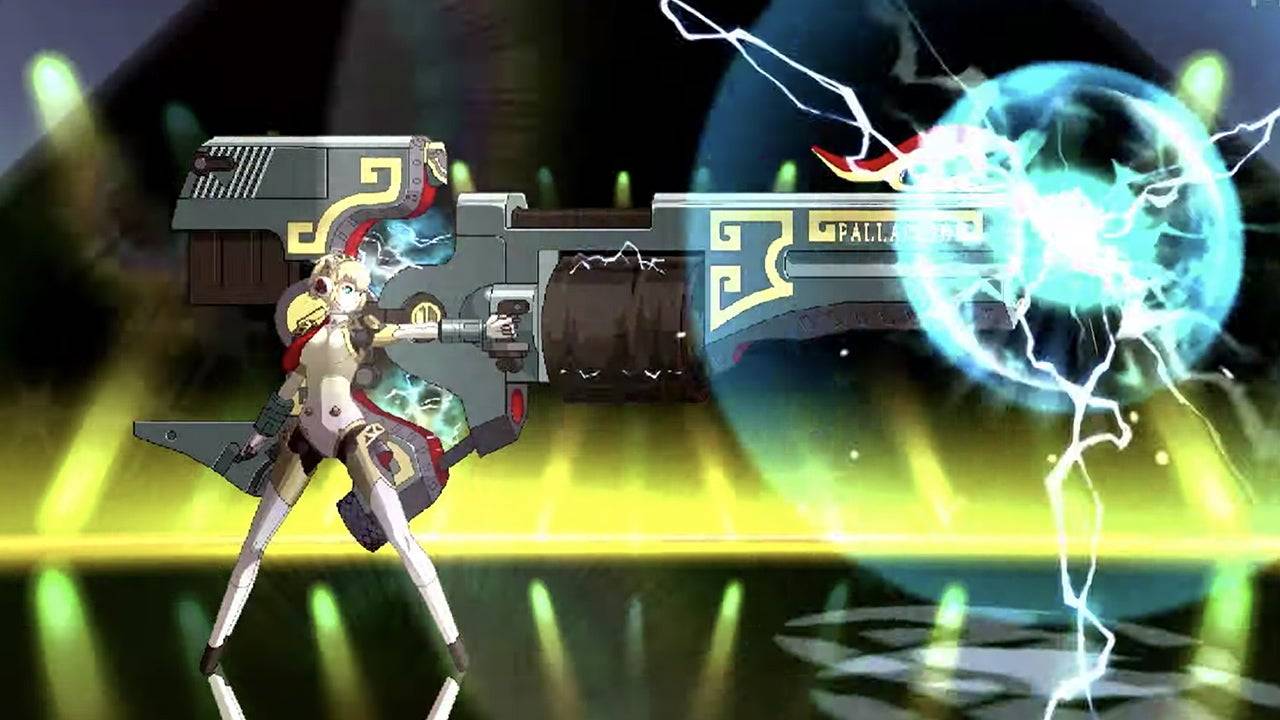
Following directly after Persona 4 Arena, Ultimax sees the Persona 4 squad and the Shadow Operatives team up to combat the forces behind the tournament. This sequel expands the roster with returning characters like Yukari, Junpei, Ken, and Koromaru.
Read our review of Persona 4 Arena Ultimax.
10. Persona 4: Dancing All Night (2015)

Persona 4: Dancing All Night is a rhythm-based dancing game that serves as a canonical continuation of the Persona 4 storyline. The Investigation Squad performs dance routines to iconic tracks in an alternate dimension known as the Midnight Stage.
Read our review of Persona 4: Dancing All Night.
11. Persona 5 (2016) / Persona 5 Royal (2019)

Set in Tokyo, Persona 5 follows a protagonist known as Joker, who is on probation after being framed. Attending high school, Joker and his friends discover a supernatural realm where they infiltrate palaces to change the hearts of wrongdoers. As the Phantom Thieves, they become infamous in Tokyo. The game enhances the series' formula with massive story-focused levels, a negotiation system, and a new dungeon system called Mementos. Persona 5's success propelled the franchise to new heights, becoming Atlus's best-selling game.
Read our review of Persona 5 Royal.
Alternate Versions of Persona 5:
Persona 5 Royal, an expanded version of the original, includes new content like a companion, dungeon, and additional semester, making it the definitive edition.
12. Persona Q2: New Cinema Labyrinth (2018)

A sequel to Persona Q, New Cinema Labyrinth features a crossover between Persona 3, 4, and 5 characters. The Phantom Thieves find themselves trapped in a movie theater, joining forces with the S.E.E.S team and the Investigation Squad to navigate movie-themed dungeons and fix their endings.
13. Persona 5 Tactica (2023)
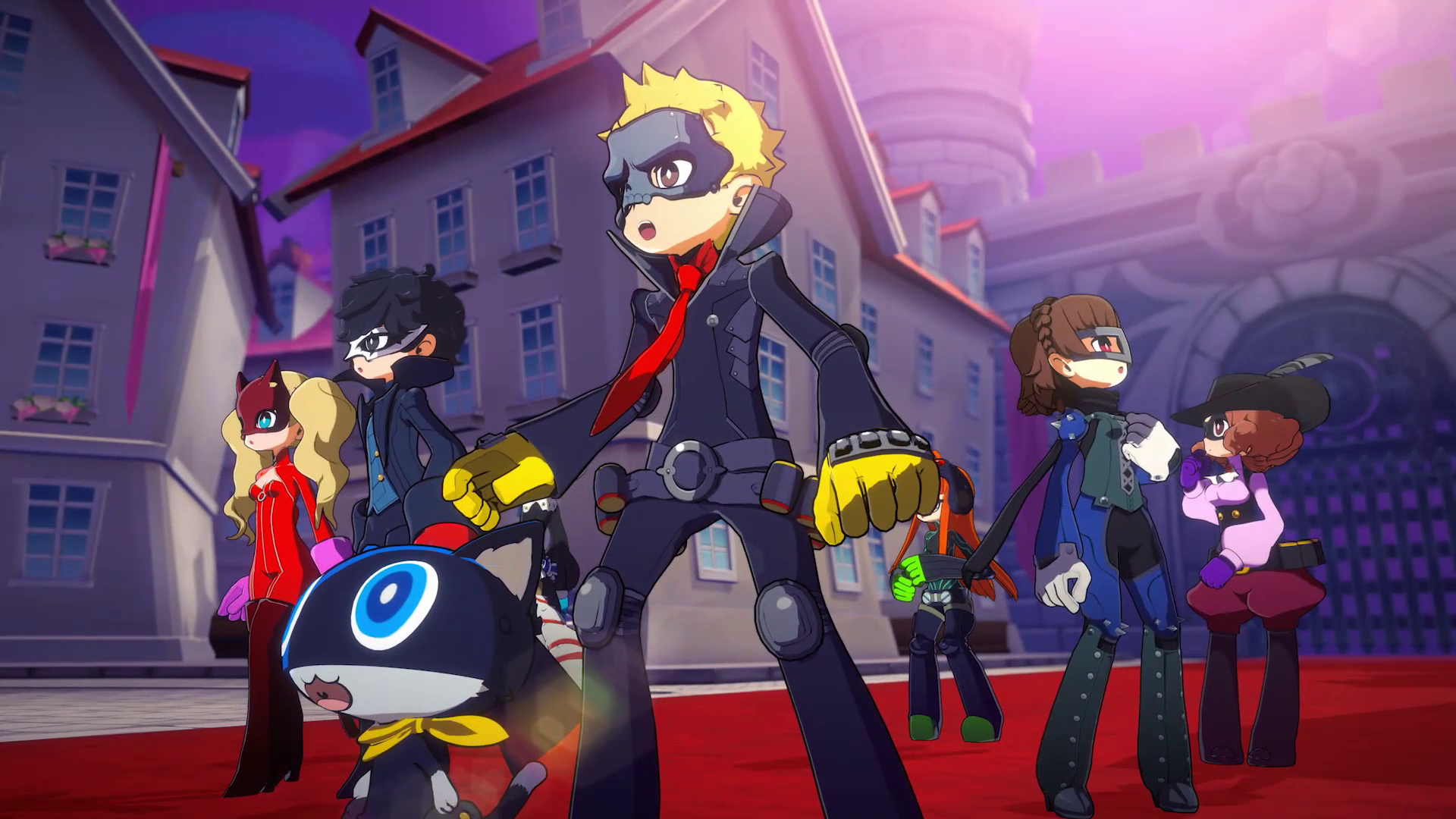
Set during Persona 5's events, Persona 5 Tactica is a strategy-focused spin-off inspired by XCOM. The Phantom Thieves are transported to an alternate realm called the Kingdoms, where they must save their brainwashed allies and defeat Tyrant Marie. The game features tactical grid-based combat.
Read our review of Persona 5 Tactica.
14. Persona 5: Dancing in Starlight (2018)
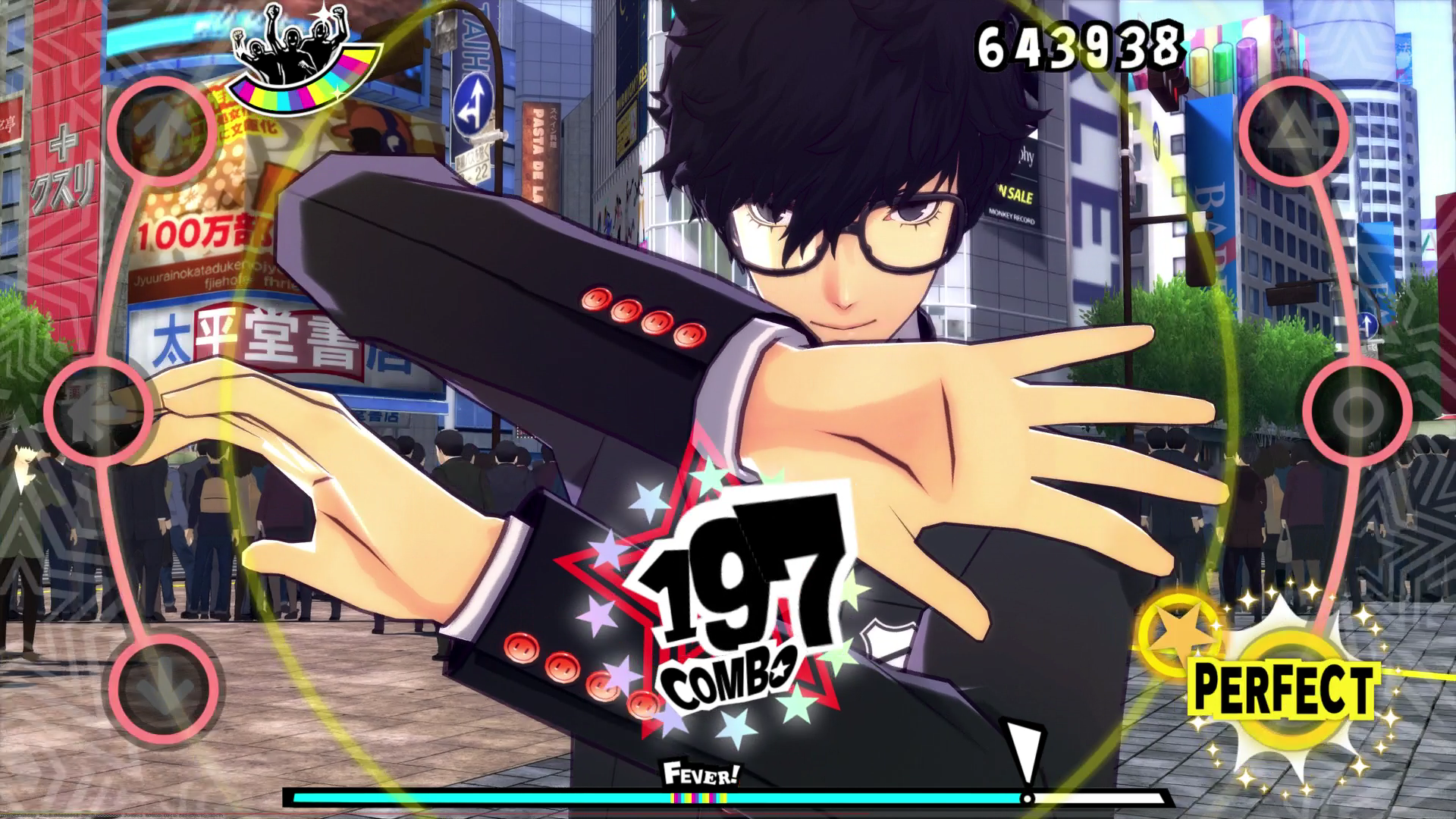
Another rhythm-based dancing spin-off, Persona 5: Dancing in Starlight challenges the Phantom Thieves to a dance-off in the Velvet Room, performing routines to Persona 5's iconic tracks.
15. Persona 5 Strikers (2020)
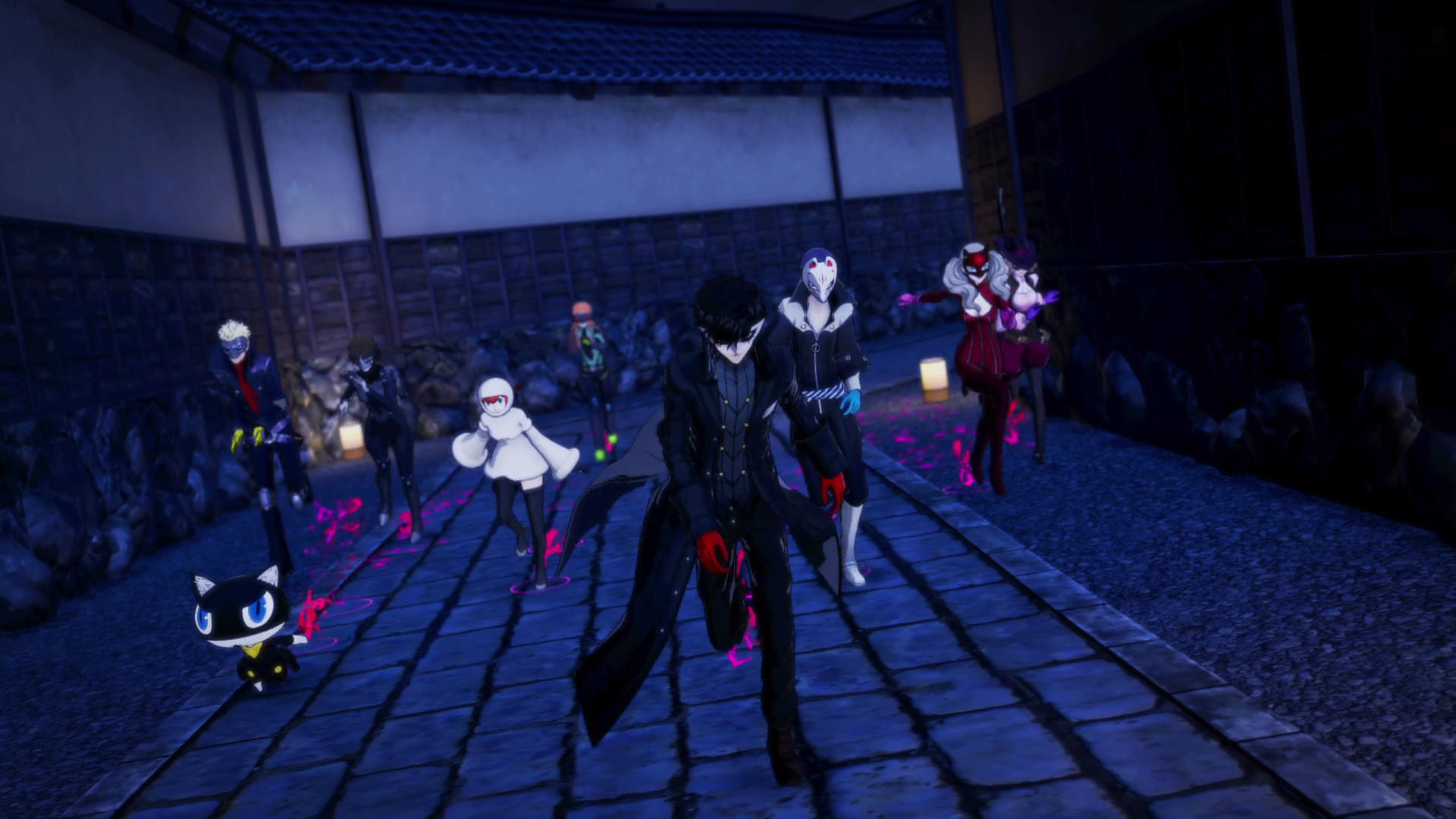
Set four months after Persona 5, Strikers reunites the Phantom Thieves for a summer vacation that leads them back into the Metaverse via an app called EMMA. They team up with a new ally to uncover the truth behind EMMA and the Metaverse. Strikers introduces real-time combat inspired by the Dynasty Warriors series, focusing on battling large enemy groups.
Read our review of Persona 5 Strikers.
Every Persona Game and Spin-Off in Release Order
- Revelations: Persona (1996)
- Persona 2: Innocent Sin (1999)
- Persona 2: Eternal Punishment (2000)
- Persona 3 (2006)
- Persona 3 FES (2007)
- Persona 4 (2008)
- Persona 3 Portable (2009)
- Persona 4 Arena (2012)
- Persona 4 Golden (2012)
- Persona 4 Arena Ultimax (2013)
- Persona Q: Shadow of the Labyrinth (2014)
- Persona 4: Dancing All Night (2015)
- Persona 5 (2016)
- Persona 3: Dancing in the Moonlight (2018)
- Persona 5: Dancing in the Starlight (2018)
- Persona Q2: New Cinema Labyrinth (2018)
- Persona 5 Royal (2019)
- Persona 5 Strikers (2020)
- Persona 5 Tactica (2023)
- Persona 3 Reload (2024)
What's Next for Persona?
In 2024, fans of Atlus RPGs were treated to two notable releases: Persona 3 Reload and Metaphor: ReFantazio, a new RPG from Atlus's Studio Zero. Following Metaphor's success and multiple awards, Sega expressed interest in further investing in Atlus and the Persona franchise during a developers' Q&A session.
The next Persona project to keep an eye on is the free-to-play mobile game, Persona 5: The Phantom X. Launched in China, Taiwan, Hong Kong, Macau, and Korea in 2024, with a Japanese release on the horizon after a closed beta sign-up in October, a global release is anticipated, though no official date has been announced. Atlus describes The Phantom X as an "original story set in the world of Persona 5 [in which] new characters rise from the shadows and don the masks of the Phantom Thieves."
Lastly, the much-anticipated Persona 6 is rumored to be in development, though Atlus has yet to confirm its existence officially.
Latest News
more >-
-

- Universal Piece Trello and Wiki Links
- Oct 22,2026
-

-

-