Best Tablets for Streaming, Gaming, and Productivity in 2025
- By Isaac
- Oct 17,2025
Selecting the right tablet can be challenging. Apple offers a diverse range of options, and the distinctions between them aren’t always clear. For those unfamiliar with technical terms, the difference between a Liquid Retina display and an Ultra Retina Tandem OLED with ProMotion may not be immediately apparent. Under the hood, Apple’s tablets vary significantly, from devices powered by the older A16 chip to those equipped with the high-performance M4 chip.
The Android tablet market adds even more choices. Unlike Apple, which phases out older models, Android tablets often include outdated devices that weren’t ideal even when new. Hardware ranges from underpowered to excessive, sometimes making a Windows tablet a better option. Software support further complicates Android tablet purchases—while Apple ensures long-term OS updates, the longevity of Android tablet updates varies widely.
After evaluating the market, testing iPads and Android tablets, and considering practical purchasing factors, we’ve identified top options that offer the best balance of performance and value.
Additional contributions by Mark Knapp
TL;DR: Top Tablets for 2025
 Our Top Pick
Apple iPad (11th Generation)
4See it at AmazonSee it at Walmart
OnePlus Pad 2
1See it at AmazonSee it at OnePlus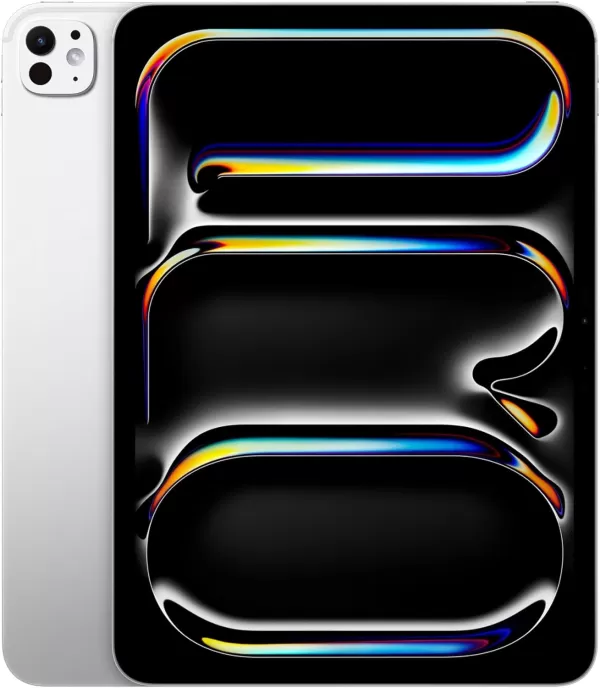
Apple iPad Pro (M4, 2024)
2See it at AmazonSee it at Apple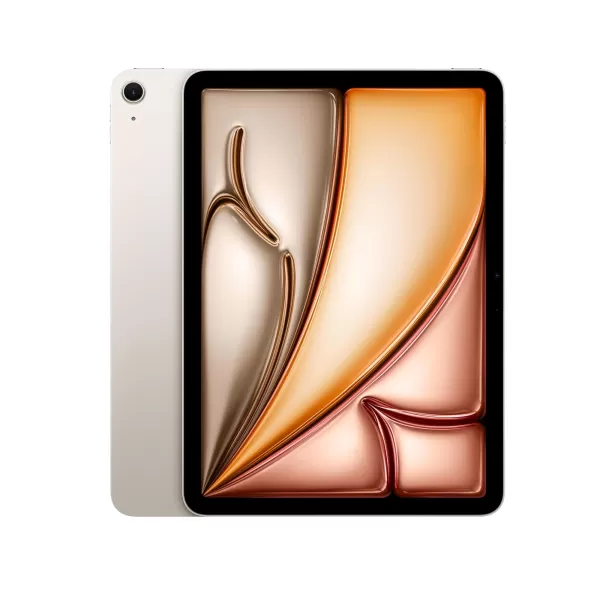
Apple iPad Air (2024)
1See it at Amazon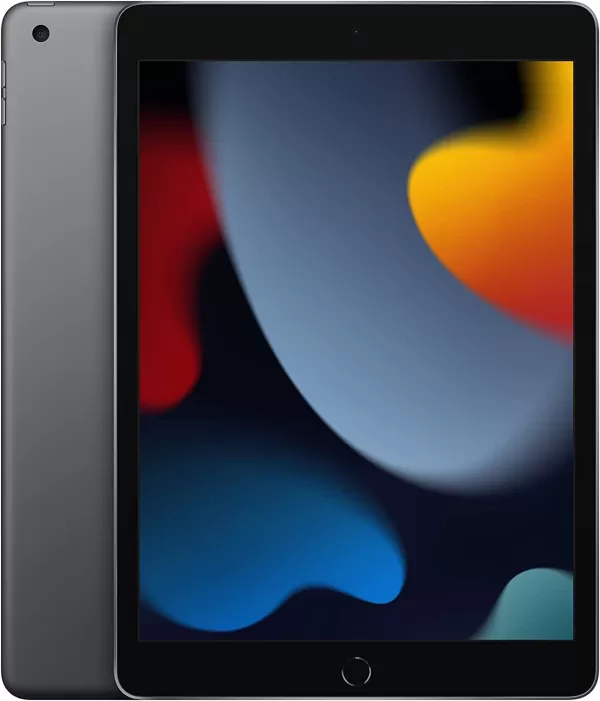
Apple iPad (9th Generation)
3See it at AmazonSee it at Best BuyTablets combine power, versatility, and portability, securing their place in the mobile device market. Whether you need a device for entertainment after a long day or a robust tool for tasks like video editing, there’s a tablet suited to your needs.
1. iPad (11th Generation)
Top Tablet Overall
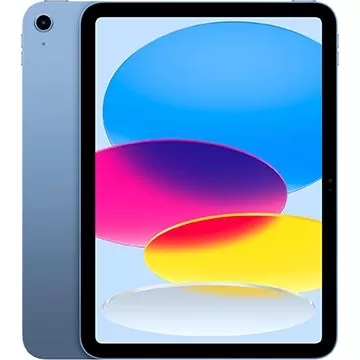
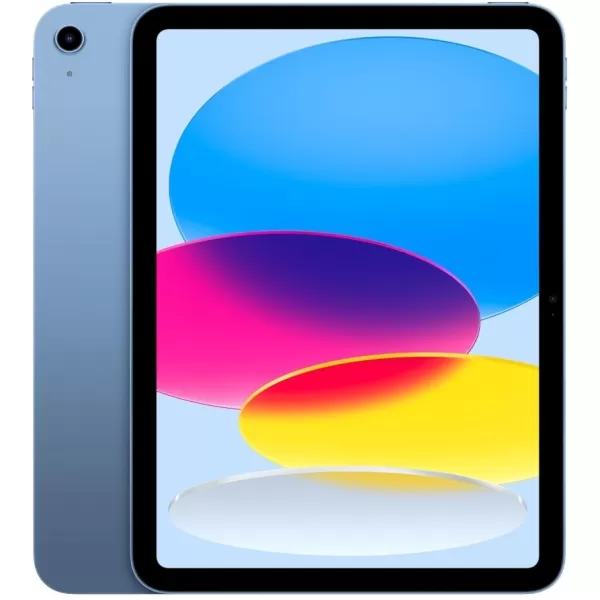
Our Top PickApple iPad (11th Generation)
4Minor exterior updates include a larger display, a faster processor, and increased storage for improved performance.See it at AmazonSee it at WalmartApple has streamlined the process of choosing an iPad, making its base model both affordable and high-performing. Compared to Android’s often lackluster budget options, the 11th Gen iPad stands out with its excellent build and performance. This latest model builds on its predecessor with subtle yet meaningful upgrades.
The 11th Gen iPad features a slightly larger 11-inch display, maintaining the same resolution as the 10.9-inch model. Its 60Hz display with 500-nit brightness remains impressive and supports the first-generation Apple Pencil, consistent with the previous model.
Internally, the upgrades are significant. The base storage has doubled to 128GB, offering more space for apps, games, and media. The processor has also been upgraded from the A14 Bionic to the more capable A16, though it’s not Apple’s latest chip.
The 11th Gen iPad delivers a larger screen, more storage, and a faster processor without increasing its physical size or price. Priced at $349, matching its predecessor, it’s also available in vibrant colors and has been spotted on sale for as low as $299.
See our guide to the best iPad models for more options.
2. OnePlus Pad 2
Top Android Tablet
OnePlus Pad 2
1Offering premium hardware at a competitive price, the OnePlus Pad 2 is a standout choice for Android tablet seekers.See it at AmazonSee it at OnePlusHigh-end Android tablets priced at $1,000, like some from Samsung, often don’t justify their cost when compared to versatile 2-in-1 Windows devices. Many budget Android options also fall short. The OnePlus Pad 2, however, strikes a balance, delivering premium features at a reasonable price without compromising quality.
Powered by the Qualcomm Snapdragon 8 Gen 3, a recent flagship processor, the OnePlus Pad 2 offers exceptional performance. Its 12GB of RAM supports seamless multitasking, ideal for larger tablet screens.
The 12.1-inch display boasts a 2120x3000 resolution, 900-nit peak brightness, and a 144Hz refresh rate for clear visuals and smooth motion. The IPS panel supports stylus use, with the stylus magnetically charging on the tablet—a feature Apple could learn from.
Software support is solid, launching with Android 14 and promising three years of OS updates and four years of security updates, a rarity among Android tablets. Priced at $550 but often available for $450 with a free accessory like a keyboard case, it’s a strong value.
iPad Pro 2024 – Photos
 View 7 Images
3. iPad Pro (M4, 2024)
Top Tablet for Creative Work
Apple iPad Pro (M4, 2024)
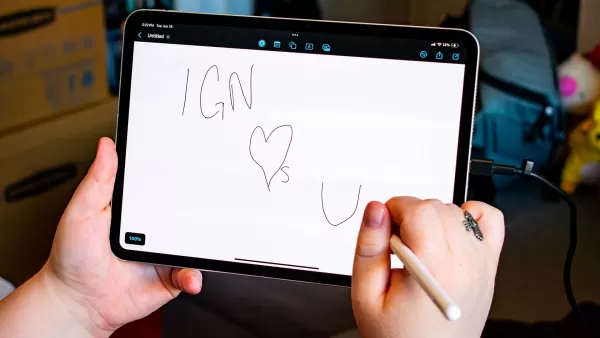
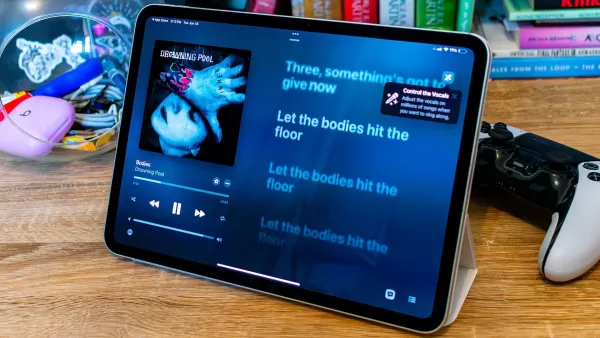
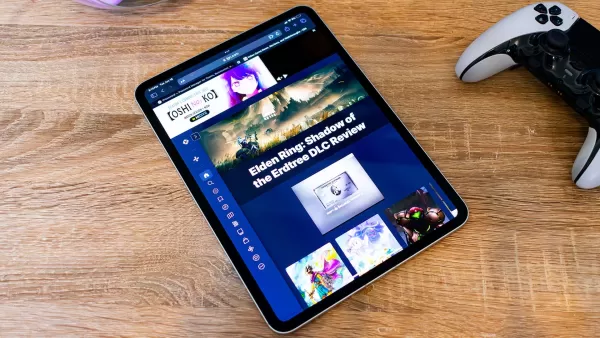
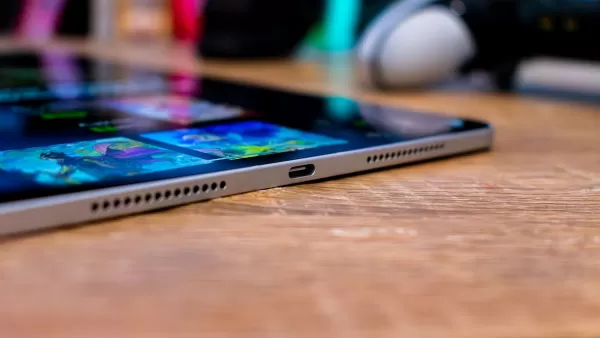
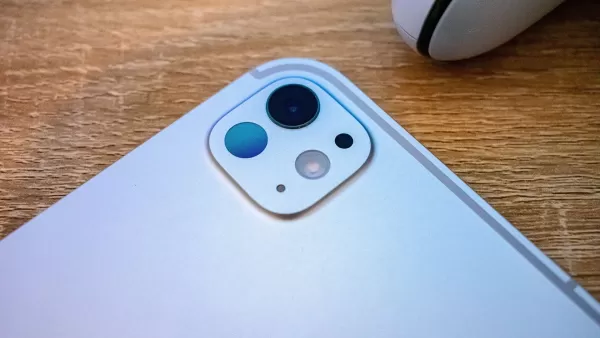
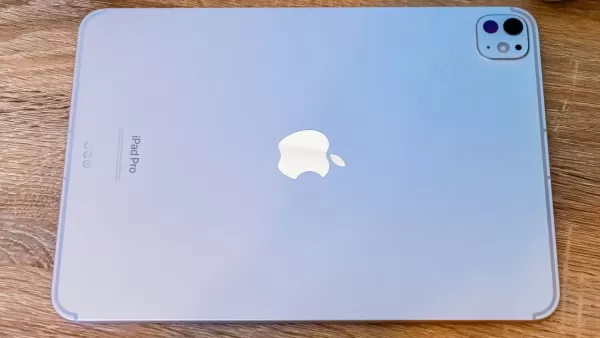
2With a vibrant OLED display and Apple’s powerful M4 chip, this tablet excels for creative professionals.See it at AmazonSee it at AppleInitially, the iPad Pro’s claim as a workstation replacement seemed ambitious, given its lack of desktop apps like Finder. However, after a month of use, its Tandem OLED display and exceptional performance make it a daily essential, despite its high cost.
The iPad Pro, powered by the M4 chip with an 8-core CPU at 3.49GHz and a 10-core GPU, is the most powerful tablet available. RAM varies by storage: 16GB for 1TB models, 8GB for 256GB or 512GB. For lighter tasks, 8GB suffices, but heavy creative work like Photoshop or Premiere benefits from more memory.
Paired with the Apple Pencil Pro or other styluses, the iPad Pro becomes a creative powerhouse, despite iPadOS limitations, making it ideal for artists and designers.
4. iPad Air (2024)
Best Thin and Light Tablet
Apple iPad Air (2024)
1Featuring an M2 chip and a larger display, the 2024 iPad Air offers portability in an ultra-thin design.See it at AmazonThe 2024 iPad Air impresses with a slimmer design, an upgraded selfie camera, and the M2 chip. Available in 11-inch or 13-inch displays, both models share similar specs, including 8GB of RAM. Testing showed it handles streaming, browsing, and gaming like Zenless Zone Zero well, though it may warm up during extended use.
At just 6.1mm thick and weighing slightly over 1lb, it’s highly portable with a premium aluminum build. The 500-nit display supports a wide color gamut, ideal for media, and pairs well with the Apple Pencil Pro for drawing or note-taking. A USB-C 3.1 Gen 2 port enhances connectivity with faster data transfers and DisplayPort support.
New iPad Air models with an M3 chip are set to launch on March 12th.
5. iPad (9th Generation)
Top Budget iPadOS Tablet
Apple iPad (9th Generation)
3An affordable option with solid performance and a sharp 10.2-inch Retina display for budget-conscious buyers.See it at AmazonSee it at Best BuyThough Apple has newer models, the 9th Gen iPad remains available. Its A13 Bionic chip and 64GB storage may feel limiting, and its design isn’t cutting-edge, but it runs the latest iPadOS and handles basic tasks like browsing, reading, video streaming, and FaceTime calls effectively.
At around $250, it’s a compelling budget option. However, with the 11th Gen iPad offering significant upgrades for $349, the 9th Gen is only worth considering if priced well below $300.
How to Choose the Right Tablet for You
Start by setting a budget. For casual use like streaming or social media, a budget tablet will do. For productivity tasks rivaling a laptop, expect to spend more. Some tablets support keyboards, functioning as detachable laptops, though limited by their hardware and OS.
Design matters—opt for a lightweight, durable tablet for portability. A vibrant, responsive display, ideally OLED for richer colors, enhances the experience.
Performance is critical to avoid a sluggish device. Choose a tablet with a strong processor and at least 4GB of RAM; higher specs benefit gaming or creative tasks. Ensure the OS is current—Android 15 or iPadOS 18 for the latest features.
Additional features like long battery life, quality speakers, sharp cameras, and stylus support can elevate your experience. For connectivity on the go, consider a 5G tablet for cellular network access.
Tablets FAQ
Are iPads better than Android tablets?
Not inherently. Both platforms offer excellent options, and the choice depends on preference. iPads integrate seamlessly with Apple’s ecosystem, ideal for iPhone or MacBook users, and offer a smooth experience with a robust app library, though they’re pricier. Android tablets vary widely in performance and price, from budget to premium, but app optimization for tablets can be inconsistent. Research is key to avoid underperforming models.
Should you buy a tablet with cellular network support?
Cellular support is often unnecessary unless you’re frequently away from Wi-Fi. Adding a cellular plan can be costly, and smartphones can serve as Wi-Fi hotspots. However, many recommended tablets offer 5G versions for those needing constant connectivity, a choice to make at purchase.