Sonic Rumble Global Launch Postponed: Key Reasons Unveiled
- By Peyton
- Aug 01,2025
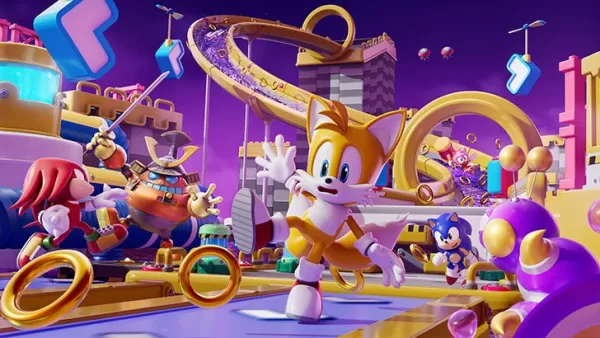
The global launch of Sonic Rumble has been pushed back once more, leaving fans eager for answers. What’s causing these repeated delays? What challenges are stalling the release? What features demand such an extended development period? Dive in for the details.
What’s Holding Up the Blue Blur?
A Timeline of Sonic Rumble’s Development and Delays
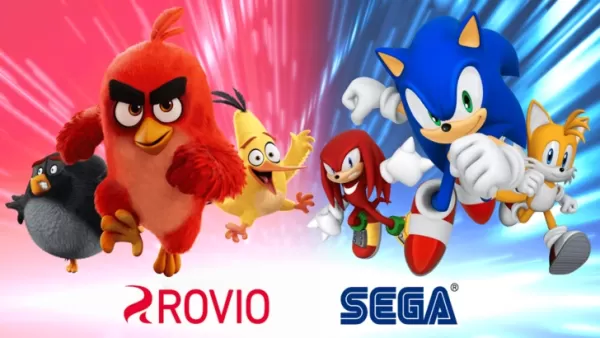
Sonic Rumble’s journey to launch has been anything but straightforward. This mobile-first title, announced in May 2024 as SEGA’s bold entry into the mobile gaming surge, followed SEGA’s $772 million acquisition of Rovio, the creators of Angry Birds. According to SEGA Sammy Group’s 2024 Integrated Report, the acquisition aimed to strengthen SEGA’s mobile game development and operational expertise. A 2023 financial report hinted at a Rovio-SEGA mobile collaboration, and Sonic Rumble emerged as a vibrant, Fall Guys-inspired battle-royale game tailored for mobile devices.
The initial reveal promised a “Winter 2024” launch, featuring seasonal cosmetics, chibi-style classic characters, and chaotic 32-player battles. Pre-launches in Asia and Latin America, along with early beta tests, followed.
Yet, as often happens with live-service games, setbacks arose. On February 26, 2025, the Winter 2024 release shifted to Spring 2025. By April 9, SEGA set a global launch date for May 8, 2025, sparking hope among fans.
But that hope was short-lived.
Just a week before the anticipated launch, SEGA announced another delay. Nearly a year after the game’s reveal, this last-minute postponement—despite extensive previews and regional tests—has left fans questioning. Why pause now? Why risk losing excitement?
Regional Testing Feedback Sparks Major Refinements
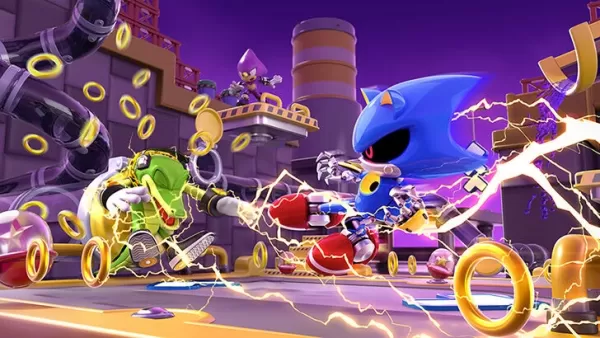
To grasp the reasons behind Sonic Rumble’s delay, we need to look at its pre-launch phases. While much of the world awaited access, the game rolled out in over 40 countries, from Colombia to the Philippines, in late 2024 and early 2025—a global stress test of sorts.
And it revealed plenty of cracks.
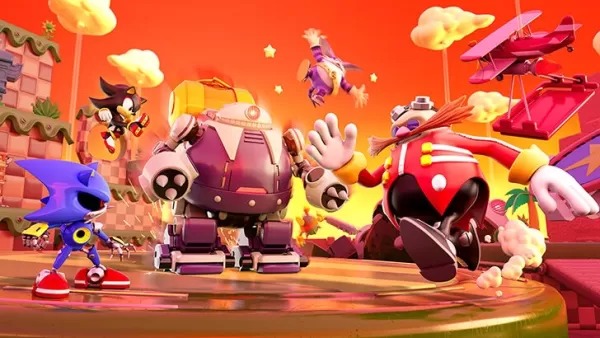
Though the Sonic-themed battle royale thrilled early players, the execution faltered. Feedback poured in via Discord, app store reviews, and forums: controls felt imprecise, the camera glitched during jumps, squad mode underperformed, and bugs were rampant. While many found the game enjoyable, it lacked the polish needed for a global stage.
In its March 2025 earnings report, SEGA noted, “For Sonic Rumble, we’re collaborating with Rovio to address issues identified during regional testing, aiming for a global launch once improvements are clear.” Rovio’s expertise in mobile infrastructure and live operations is key here, ensuring the game meets long-term player expectations.
The delay stings, but it signals SEGA’s commitment to quality over a rushed release. They’re refining the game to avoid it becoming just another fleeting mobile title.
Insights from Sonic Rumble’s Pre-Launch Experience
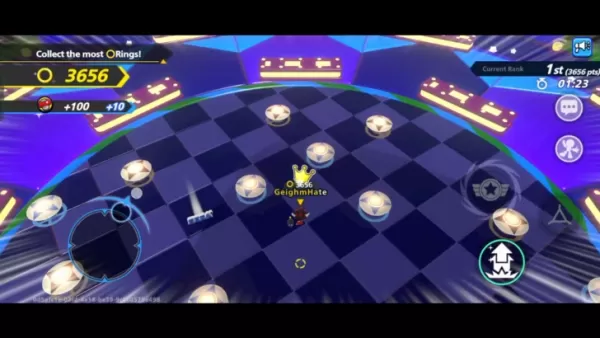
Having played Sonic Rumble during its pre-launch, I can confirm the feedback’s validity—but also its potential. The game surprised me with its charm. Unlike the shaky reveal trailer, the visuals are vibrant, drawing from Sonic’s rich history with colorful 2D and 3D environments that feel authentically Sonic.
Controls are intuitive: a joystick, jump, attack, and action button make it easy to pick up, perfect for quick mobile sessions. Matches are fast-paced, ideal for short bursts of play. Importantly, characters like Sonic, Shadow, Amy, or Dr. Eggman are cosmetic only—no stat boosts or pay-to-win mechanics, a refreshing choice for a mobile game.
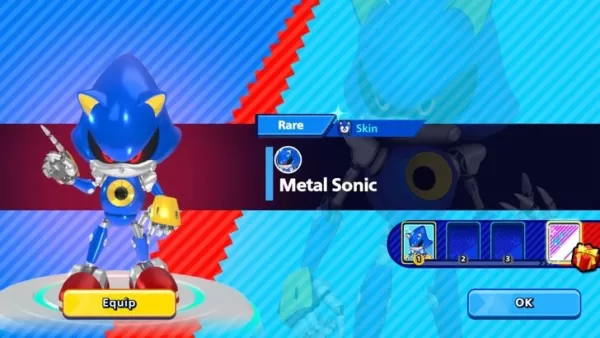
Still, it’s a free-to-play title with typical monetization. Optional ads offer bonus rewards, while Red Star Rings, a premium currency, and a Season Pass with free and paid rewards fuel customization with stickers, emotes, skins, and buddies.
In a 2024 AUTOMATON interview, Sonic Rumble’s director Makoto Tase and Sonic Team head Takashi Iizuka confirmed no gacha or pay-to-win mechanics would be included, citing their unpopularity globally.
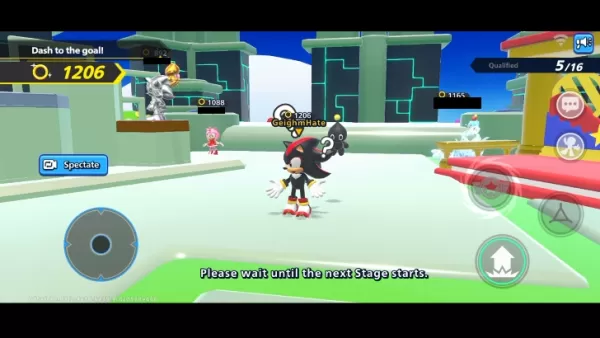
Despite its strengths, Sonic Rumble feels early-stage, reminiscent of Fall Guys in 2020. Without a ranking system, the core loop—race, avoid elimination, collect rings—grows repetitive despite varied stages. A global launch could arguably proceed now with updates later, but SEGA aims higher.
Version 1.2.0 Update Overhauls Sonic Rumble’s Core
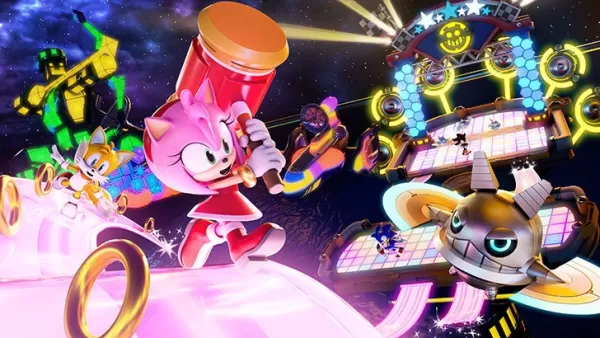
SEGA’s not just patching bugs; they’re reshaping Sonic Rumble’s foundation. The Version 1.2.0 update, set for May 8, 2025, introduces “exciting new features,” per SEGA’s announcement.
⚫︎ Images from Sonic City’s Sonic Rumble Ver. 1.2.0 Update Article
First, Rumble Ranking adds a competitive league system with seasonal leaderboards and rewards, encouraging ongoing play.
Next, Crews let players form groups, collaborate on score-based missions, and unlock collective rewards, enhancing community engagement beyond Squad Mode.
Most transformative are Skills, unique character abilities that could redefine gameplay. Unlike existing power-ups (shields, magnets), these skills, earned and upgraded via Skill Stars from missions, allow deeper personalization. The risk? A potential skill imbalance disrupting balance.
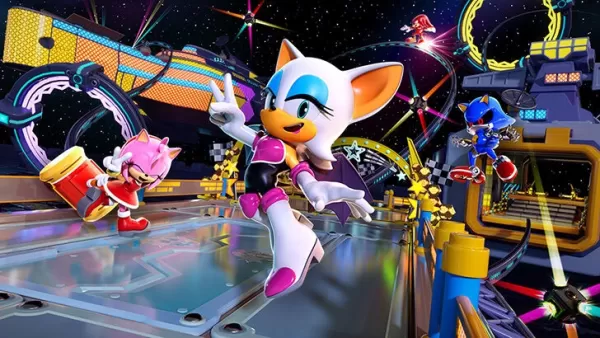
Sonic City reports that Version 1.2.0 revamps progression. Enhancement materials are replaced by Tune-Up Wrenches, simplifying upgrades. Skins and Buddies now level up, streamlining Score Bonuses. Some Emotes are reissued as Skills, with affected players compensated via Red Star Rings and Skill Stars.
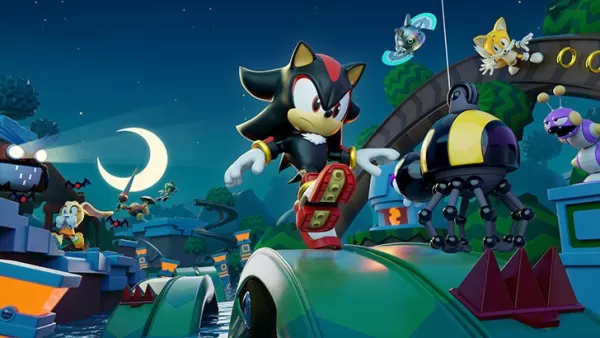
SEGA’s recent Discord Q&A explained that launching before these changes would disrupt the game’s vision. The pre-launch phase continues to gather feedback on these features, with events and seasonal rewards still active for regional players.
SEGA assures that most exclusive cosmetics will return post-launch, ensuring fairness for all players.
Delayed but Not Derailed
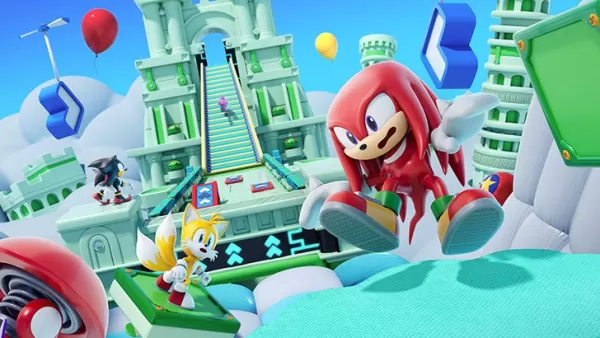
Why has Sonic Rumble hit another roadblock?
The delay stems from a mix of cautious refinement and development realities. Regional feedback, coupled with ambitious additions like Skills, Rumble Rankings, and Crews, prompted SEGA and Rovio to pause and perfect. In a market where live-service games falter without polish, they’re prioritizing quality.
Fans are frustrated, but SEGA’s responsiveness—adapting to feedback and building a robust mobile ecosystem—shows commitment. Version 1.2.0 aims to deliver depth and chaos true to Sonic’s legacy.
Will Sonic Rumble succeed globally? Only time will tell. But SEGA’s focus on longevity over a rushed launch suggests they’re aiming for a game that endures. Slow and steady might just win this race.