Sony's PS5 Controller to Transform into Gun with New Patent Tech
- By David
- Apr 20,2025
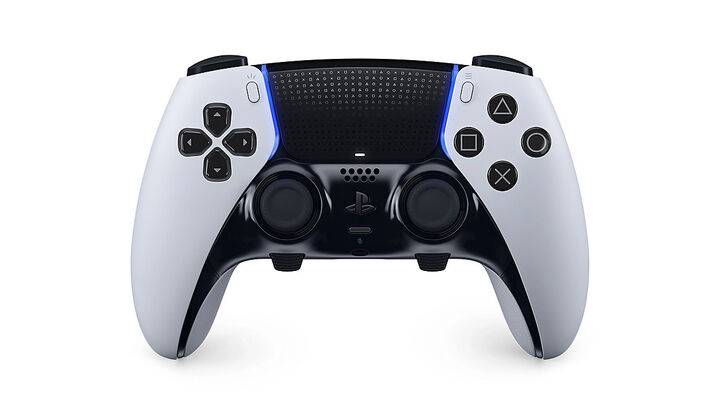
Sony continues to push the boundaries of gaming innovation with two new patents that promise to enhance the gaming experience on the PlayStation 5. These patents focus on reducing lag with an AI-powered camera and introducing a more realistic gunplay experience with a new DualSense trigger attachment.
Two New Patents For Sony
AI That Predicts Your Movement To Reduce Lag
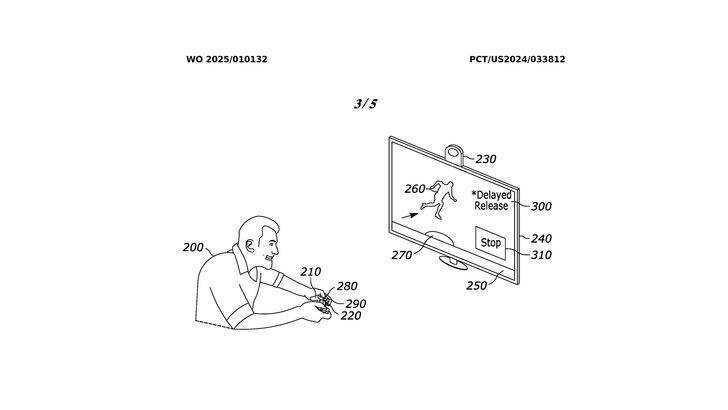
Sony's latest patents have caught the attention of gamers worldwide. One of these is an AI-powered camera system designed to predict player movements and button inputs. The patent, titled Timed Input/Action Release, involves a camera that observes the player and their controller. The footage captured is then processed by a machine learning-based model or another predictive system to anticipate the player's next actions. This system could also interpret "incomplete controller actions," allowing the AI to fill in the gaps based on the player's intent.
The primary goal of this technology is to reduce lag in online gaming, a persistent issue that can significantly impact gameplay. By predicting player inputs, the system can process actions more efficiently, resulting in smoother, more responsive gameplay.
A Trigger For The DualSense Controller For Realistic Gunfights
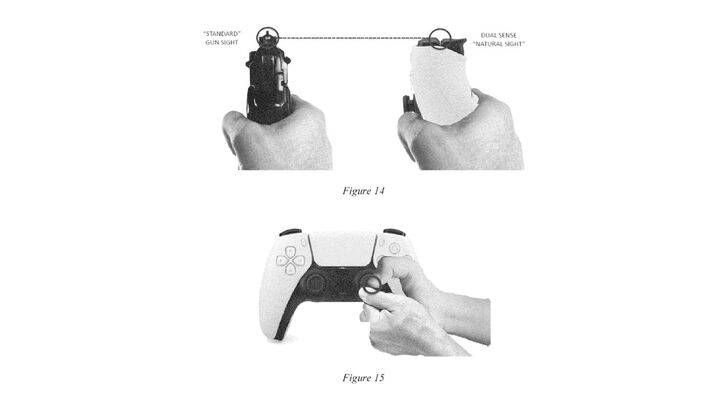
The second patent introduces a trigger attachment for the DualSense controller, aiming to enhance the realism of gunplay in first-person shooter (FPS) and action-adventure RPG games. By attaching this accessory to the controller, players can hold the DualSense sideways, using the right arm as a gun stock. The space between the R1 and R2 buttons becomes the gun's sight, and pressing the trigger simulates firing a real firearm. This attachment is versatile enough to be used with other devices, such as the PSVR2 headset.
Sony's history of innovation is evident in its extensive patent portfolio, with 78% of its 95,533 patents still active. Previous patents have included ideas like adaptive difficulty based on player skill, a DualSense variant capable of storing and charging earbuds, and a controller that adjusts its temperature in real-time to match in-game events. While these patents are exciting, it's important to note that not all patented ideas will necessarily become products. The future will reveal which of these innovations will make it to the market and change the way we play games.