How Crime and Punishment Work in Kingdom Come: Deliverance 2
- By Carter
- Apr 02,2025
In *Kingdom Come: Deliverance 2*, crime is more than just a minor setback; it's a pivotal aspect that can drastically alter your in-game experience. Engaging in activities like theft, trespassing, or even assaulting a peasant can have significant repercussions. Here’s a detailed look at how crime and punishment function within the world of *KCD2*.
How Crimes Work in Kingdom Come: Deliverance 2
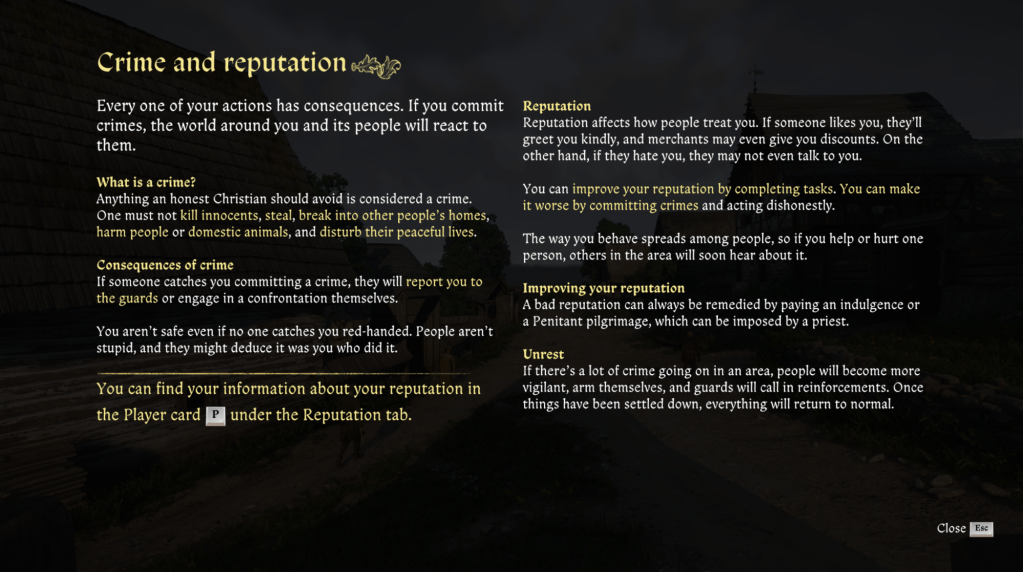
The game recognizes the following actions as illegal:
- **Murder** – Killing innocent NPCs.
- **Theft** – Stealing from homes, shops, or unconscious NPCs.
- **Lockpicking** – Breaking into locked buildings or chests.
- **Pickpocketing** – Stealing directly from people.
- **Assault** – Attacking civilians or guards.
- **Animal Cruelty** – Hurting domestic animals.
- **Trespassing** – Entering private areas without permission.
- **Disrupting Order** – Causing trouble in towns.
Engaging in any of these activities can lead to suspicion, arrest, or even more severe repercussions, with responses from guards and villagers varying based on the crime's severity.
What Happens When You’re Caught?
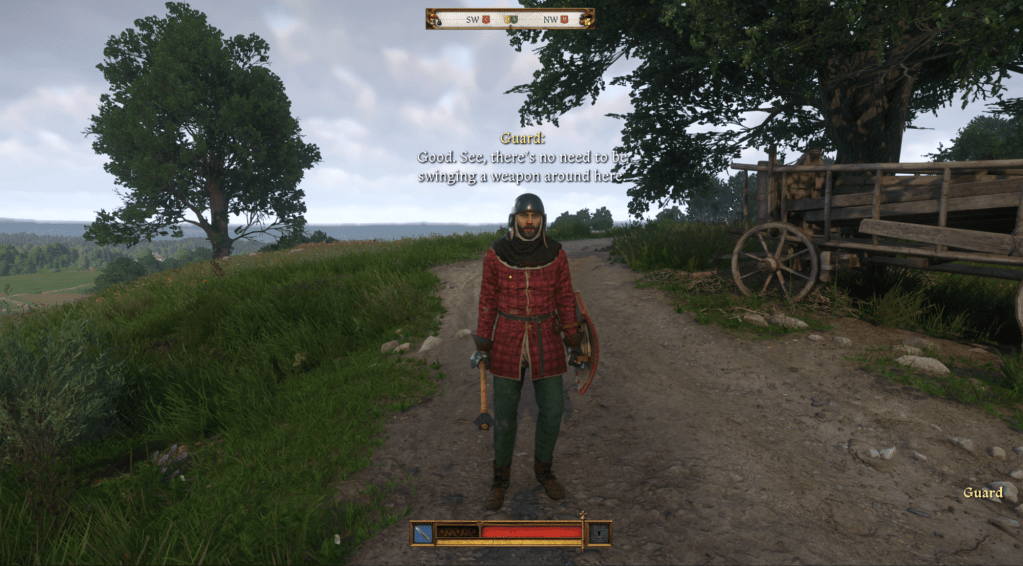
1. Pay the Fine
The most straightforward resolution is to pay a fine, the amount of which varies based on the crime's severity—stealing might cost you a few Groschen, while murder could lead to financial ruin or harsher punishment.
2. Talk Your Way Out
With high **Speech** or **Charisma** skills, you might persuade guards to let you off the hook, though this is more feasible for minor offenses. Serious crimes are much harder to talk your way out of.
3. Run for It
While not ideal, fleeing can be your only escape. Guards will pursue you, and escaping will temporarily make you a wanted man. Returning to town later might still lead to recognition unless you change your attire or bribe officials.
4. Accept the Punishment
If you cannot pay or escape, you must face the consequences, the severity of which depends on your actions.
How Punishments Work in Kingdom Come: Deliverance 2
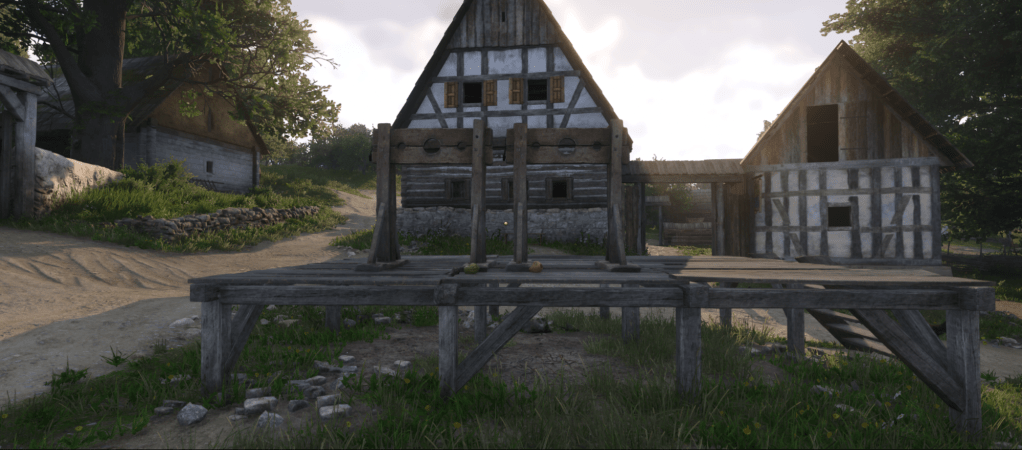
1. Pillory (Public Humiliation)
For minor offenses like trespassing, reckless driving, or accidental assault, you'll be placed in the pillory for a few in-game days. This will damage your reputation and subject you to public mockery.
2. Caning (Physical Punishment)
Reserved for mid-tier crimes like theft and assault, caning involves public beating, which temporarily reduces your health and stamina.
3. Branding (Permanent Criminal Status)
Serious crimes such as murder or significant theft warrant branding, marking you as a criminal. This label affects how NPCs interact with you, causing merchants to refuse trade and guards to monitor you closely.
4. Execution (Game Over)
The ultimate penalty, execution, awaits those who commit the gravest offenses, such as multiple murders, leading to an immediate game over.
How Crime Affects Your Reputation
Your reputation in *KCD2* isn't just a number; it influences how NPCs treat you. Crimes can make townsfolk suspicious or hostile.
How Reputation Works
Each town and faction tracks your reputation independently. A low reputation may result in people refusing to interact, trade, or offer quests, while a high reputation can grant discounts, additional dialogue, and unique opportunities. Guards may search you more frequently if they suspect past crimes. To improve a tarnished reputation, engage in community service, donate to the church, or pay fines, similar to the Honor system in *Red Dead Redemption 2*.
How to Avoid Getting Caught
The crime system in *KCD2* is a core element of the game, and while committing crimes isn't morally right, it's part of the RPG experience. To avoid getting caught, consider these strategies:
- Ensure no witnesses are present; always check your surroundings before acting.
- If someone sees you, quickly change your disguise, perhaps by wearing a hat or different clothes.
- Commit crimes at night when visibility is low.
- Sell stolen goods carefully; they're marked in your inventory, so avoid regular merchants and opt for fences or black-market dealers far from the crime scene.
Understanding how crime and punishment work in *Kingdom Come: Deliverance 2* can help you navigate its richly detailed world more effectively.
Latest News
more >-
-

- Universal Piece Trello and Wiki Links
- Oct 22,2026
-

-

-