Ryan Coogler Explores Blues and Irish Music in Vampire Horror Film Sinners
- By Isaac
- Sep 23,2025
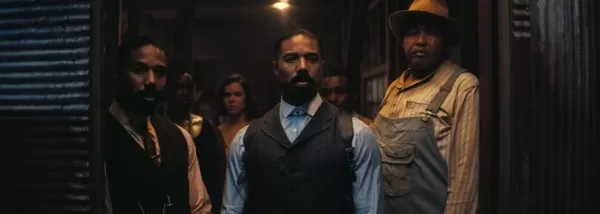
In Ryan Coogler’s latest film, Sinners, a vampire horror set in 1930s Mississippi, the director vividly captures a unique time and place. The story, centered on African-American twin brothers Smoke and Stack (Michael B. Jordan), uses blues music—once condemned as “the devil’s music”—to delve into the lives of its characters.
“Music pulses through Sinners, with blues performances by Sammie (Miles Caton) and local legend Delta Slim (Delroy Lindo) at the brothers’ venue,” wrote Eric Goldman in his glowing Sinners review for IGN.
“Coogler weaves music into the heart of the story, showing its power to connect people across generations, even when they don’t reflect on its deeper roots. Remmick (Jack O’Connell), the charismatic vampire leader, draws a striking parallel to the blues with Irish folk tunes from his heritage, which grow more prominent as the film unfolds.”
Coogler uses African-American blues and Irish folk music to highlight the shared colonial struggles of humans and vampires. Both musical traditions shine in unforgettable set pieces, making Sinners, as Goldman notes, “musical adjacent,” showcasing how music echoes through time and preserves the spirit of its creators.
In a recent interview, Ryan Coogler discussed Sinners’ use of blues and Irish music, its memorable sequences, and why the vampire villain Remmick felt as personal to write as Killmonger in Black Panther. (The interview has been edited for clarity.)
IGN: How does blues music shape the world and characters in Sinners?
Ryan Coogler: For the characters, blues is a celebration of their full humanity. It’s tied to the church but embraces the body and soul—acknowledging pain, desire, and anger. Blues is raw, unfiltered, and rebellious, born from their generational struggles yet celebrating their beauty. In the juke joint, it’s a sanctuary where people can express their true selves, free from the constraints of their daily lives.
“I loved writing Remmick. He was as personal to me as Killmonger was.”
IGN: The vampire community in Sinners unites diverse people into a collective. What’s your take on what that represents?
Ryan Coogler: I poured my heart into this film, and once it’s out on April 18th, it belongs to the audience. Their interpretations matter. For me, Remmick, the master vampire, was a joy to write and direct with Jack O’Connell. I wanted him to seem one way—perhaps a racist—but reveal a completely different perspective, identifying with the people he surrounds himself with. That twist excited me because it’s something new for vampire stories.
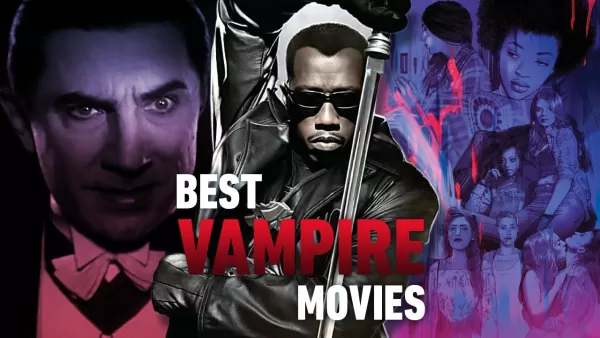
25 Best Vampire Movies of All Time
 26 Images


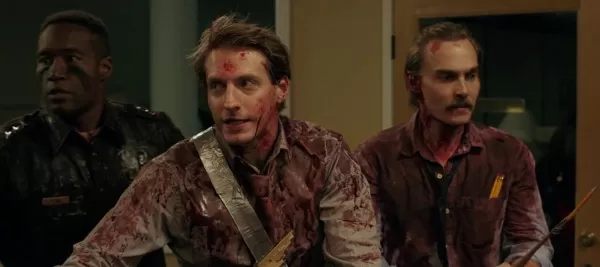
IGN: The juke joint and vampire musical sequences are standout moments. What inspired them?
Ryan Coogler: Those scenes are the heart of the film. They show fellowship and love, reflecting the characters’ defiance against oppressive systems. Irish step dance, like blues, was an act of rebellion, performed in secret. For Remmick, a vampire in 1932 Clarksdale, choosing to spend his nights with these people speaks volumes. I wanted to give audiences a fresh, visceral experience, like seeing dinosaurs in a jeep in the ‘90s—something that feels new and thrilling.
Sinners Gallery
 12 Images

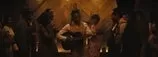

IGN: The juke joint sequence, shot as a single take, plays with time and cultural crossovers. When did you decide to approach it that way?
Ryan Coogler: It came during the writing process. Vampirism alone wasn’t enough; I needed other supernatural elements to capture the transcendent feeling of a virtuoso performance. Everyone’s felt that moment when music lifts you out of yourself. In cinema, my job is to translate that through visuals and sound. The juke joint culture emerged because these people were denied freedom, and that scene shows how music let them reclaim their humanity, even if just for a night.
“At a funeral, we mourn, but we dance. That’s true of African and Irish cultures.”
IGN: The second major musical sequence, from the vampires’ perspective, uses Irish folk music. What drew you to that?
Ryan Coogler: Irish music has this haunting contrast—like “Rocky Road to Dublin,” a tragic story told with wild energy. It mirrors the blues’ mastery of blending pain and joy. Both cultures faced oppression yet created music that defied it, hiding meanings in plain sight. For Remmick, a vampire, to connect with people who don’t look like him but share that struggle—it’s powerful. That’s what filmmaking is about: finding those connections and bringing them to life.
IGN: It’s like a celebration.
Ryan Coogler: Exactly. We won’t let them see us break. We’ll sing songs with hidden defiance, dance through the pain. That’s what ties these cultures together, and it’s why this story matters.
Latest News
more >-
-

- Universal Piece Trello and Wiki Links
- Oct 22,2026
-

-

-