Japanese PM Addresses Assassin’s Creed Shadows Controversy
- By Anthony
- Nov 03,2025
Shigeru Ishiba, Japan’s Prime Minister, addressed concerns about Assassin’s Creed Shadows during a government conference. Contrary to reports suggesting he criticized Ubisoft’s portrayal of shrines in the Feudal Japan-set game, his comments were more nuanced.
IGN, through IGN Japan, obtained an accurate translation and context for the exchange. We have also reached out to Ubisoft for comment.
Ubisoft has issued multiple apologies leading up to the delayed launch of Shadows, addressing elements of the game and its marketing that upset some in Japan.
Critics pointed out inaccuracies in the game’s depiction of Feudal Japan, prompting the developers to apologize and clarify that the game is “a compelling work of historical fiction,” not a factual recounting of history.
Ubisoft highlighted its work with historians and consultants, but acknowledged that “some promotional materials caused unease in the Japanese community,” issuing a sincere apology.
Concerns also arose when Ubisoft used a flag from a Japanese historical re-enactment group in artwork without permission, leading to another apology.
PureArts, a collectible figure maker, withdrew an Assassin’s Creed Shadows statue featuring a one-legged Torii gate, deemed offensive by some. Torii gates, found near shrines across Japan, mark the boundary between the human and sacred realms. The one-legged Torii at Nagasaki’s Sannō Shrine, located 900 meters from the World War II atomic bomb hypocenter, carries deep historical significance.
Amid this, Assassin’s Creed Shadows faces controversy in Japan and among some Western fans over its portrayal of the country.
The question about the game came from Hiroyuki Kada, a Japanese politician and House of Councillors member, who is campaigning for re-election this summer. Kada stated:
“I’m concerned that allowing players to damage real-world locations in the game without permission might inspire similar actions in reality. Shrine officials and locals share this worry. While freedom of expression is vital, actions that disrespect local culture should be avoided.”
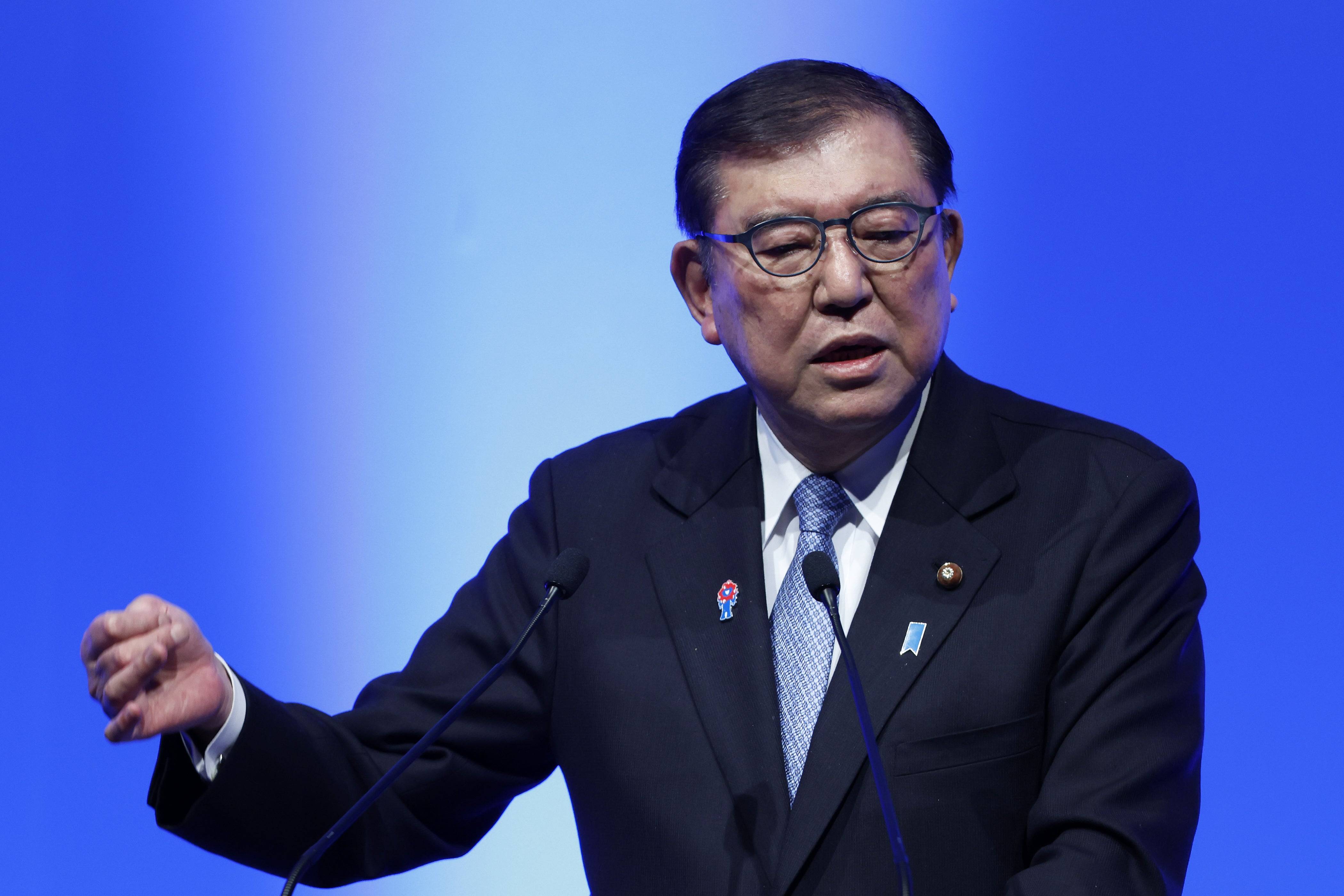
Prime Minister Ishiba responded:
“We need to consult with the Ministry of Economy, Trade and Industry, the Ministry of Education, Culture, Sports, Science, and Technology, and the Ministry of Foreign Affairs to address this legally.
“Damaging a shrine is unacceptable—it insults the nation. When the Self-Defense Forces were deployed to Samawah, Iraq, they studied local customs first. Respecting a country’s culture and religion is essential, and we must not tolerate actions that disregard them.”
These translations are accurate, but what’s the broader context? IGN Japan provided insight.
Japan has seen a surge in overseas visitors post-pandemic, driven by a weak yen. In this government budget meeting, Hiroyuki Kada linked his concerns about Shadows to “over-tourism” and perceived increases in vandalism and graffiti in Japan.
Kada argued that if players can deface temples or wield katanas against individuals in the game, they might be inspired to do so in real life when visiting Japan, echoing debates about games like Call of Duty or Grand Theft Auto inciting violence.
Prime Minister Ishiba clarified that he would oppose such real-life actions, but his comments focused on hypothetical scenarios, not the game itself.
The shrine in question, seen in Shadows gameplay videos, is Itatehyozu Shrine in Himeji, within Kada’s constituency. He noted that shrine representatives said Ubisoft did not seek permission to feature it.
Masaki Ogushi, Vice Minister of Economy, Trade and Industry, stated that government agencies would assist if the shrine sought consultation, but added that Ubisoft is likely legally protected under Japan’s Constitution for artistic expression.
Both ministers’ responses were vague and unlikely to lead to action, particularly as Ubisoft has proactively addressed concerns with a day-one patch, showing sensitivity to Japanese sentiments.
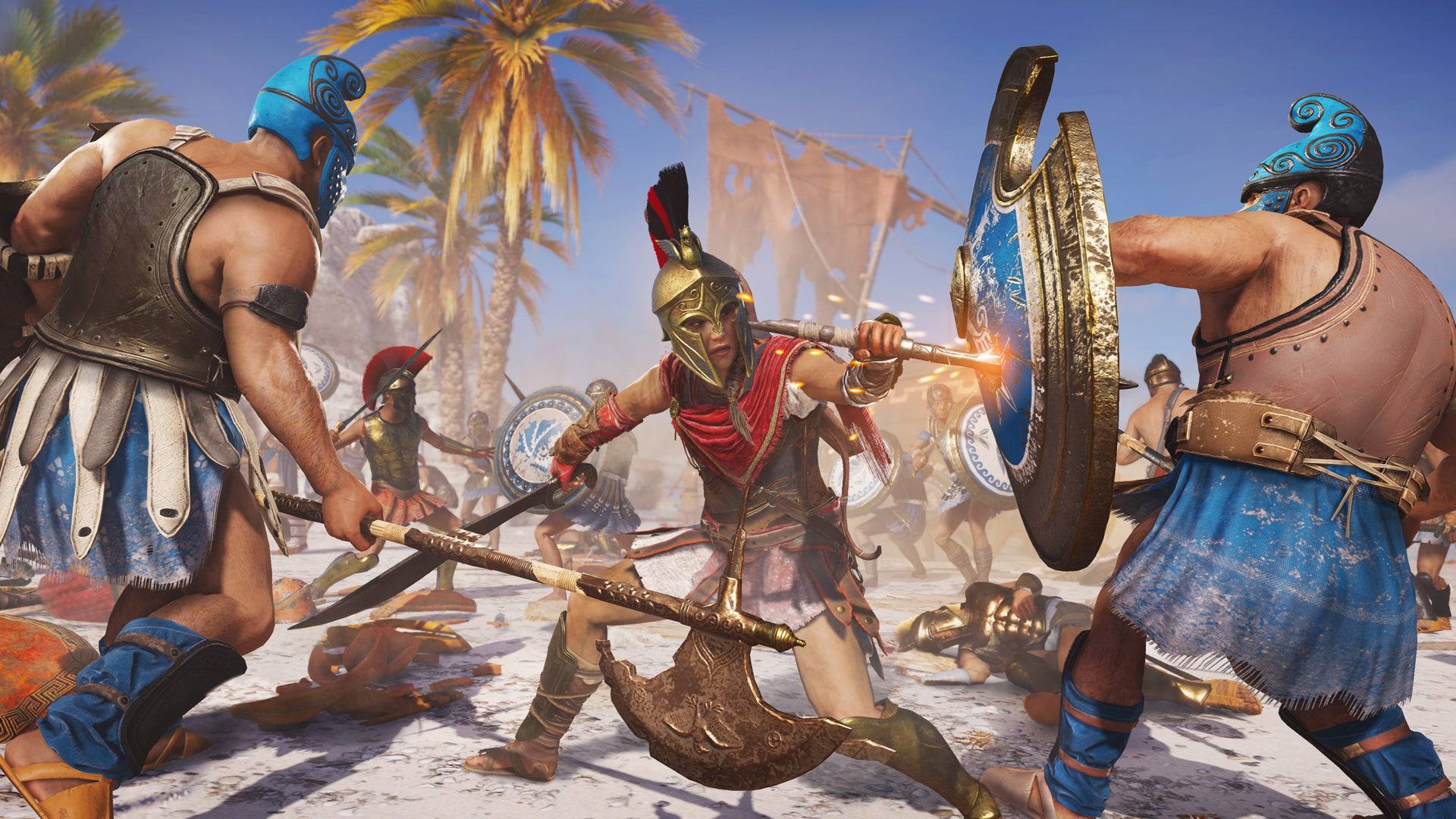
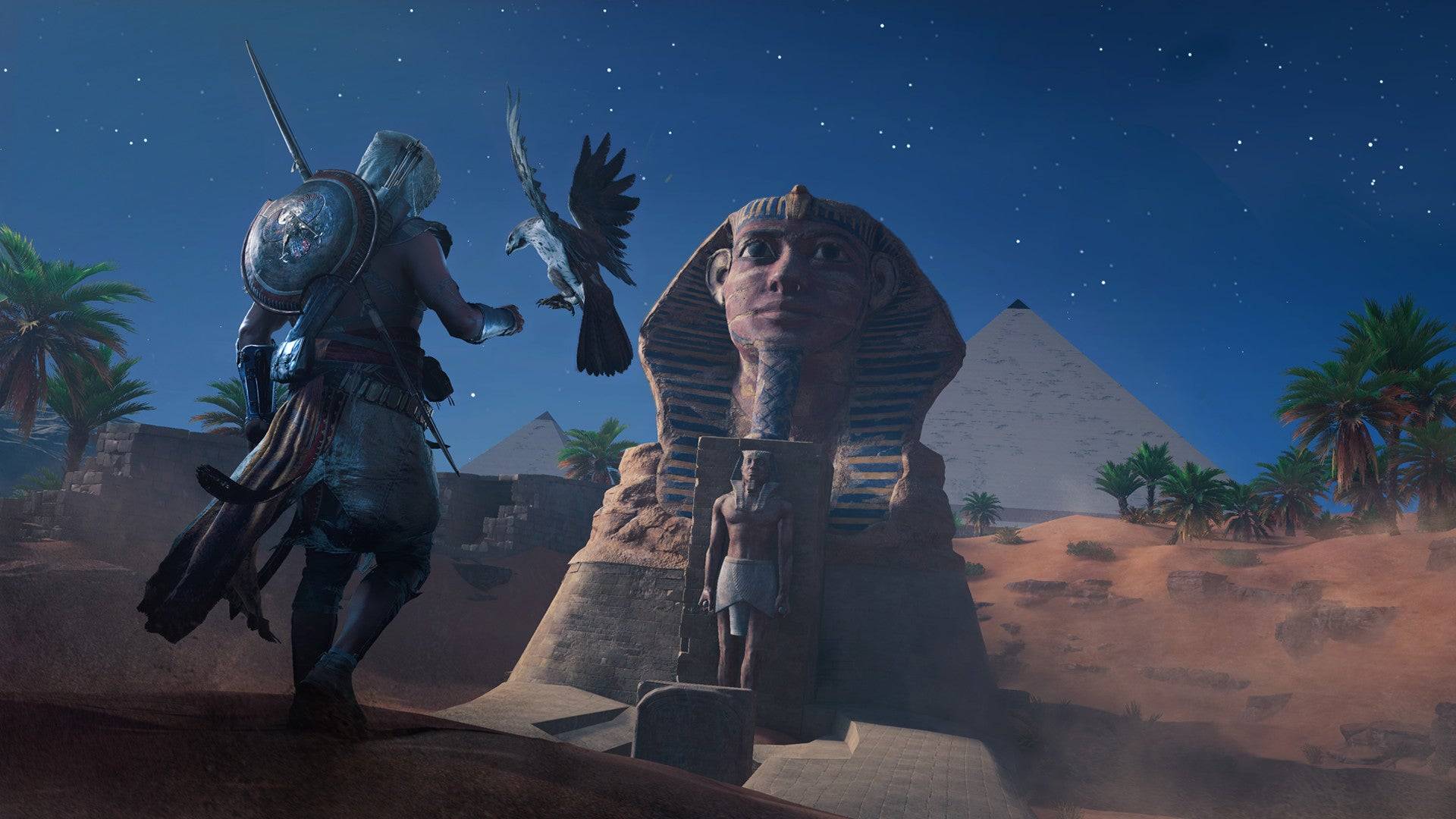
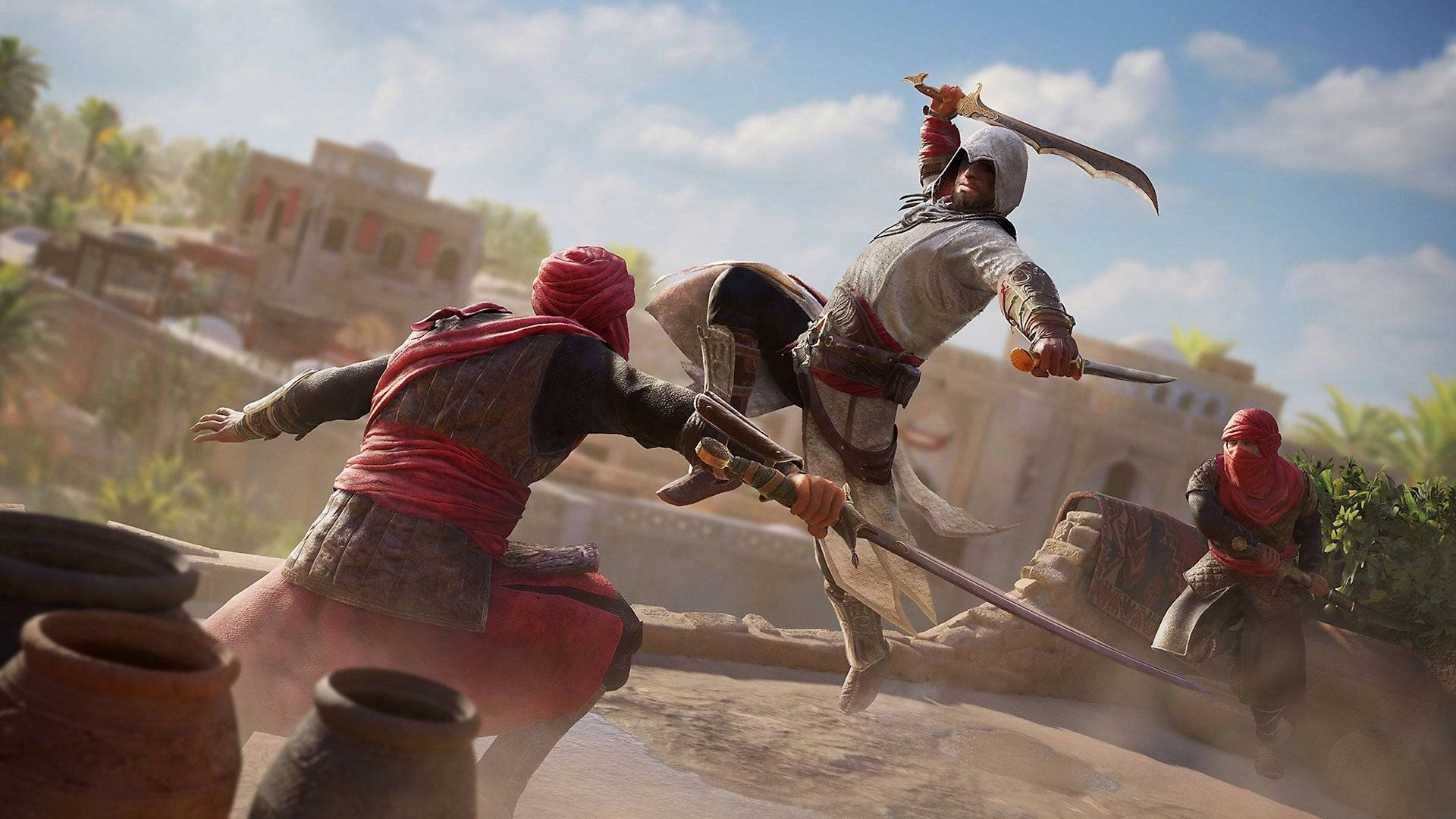
The Complete Assassin’s Creed Timeline
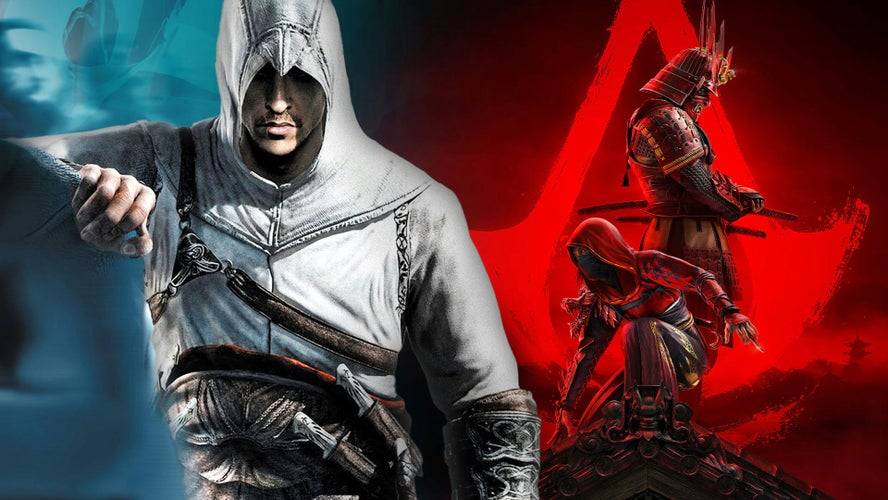
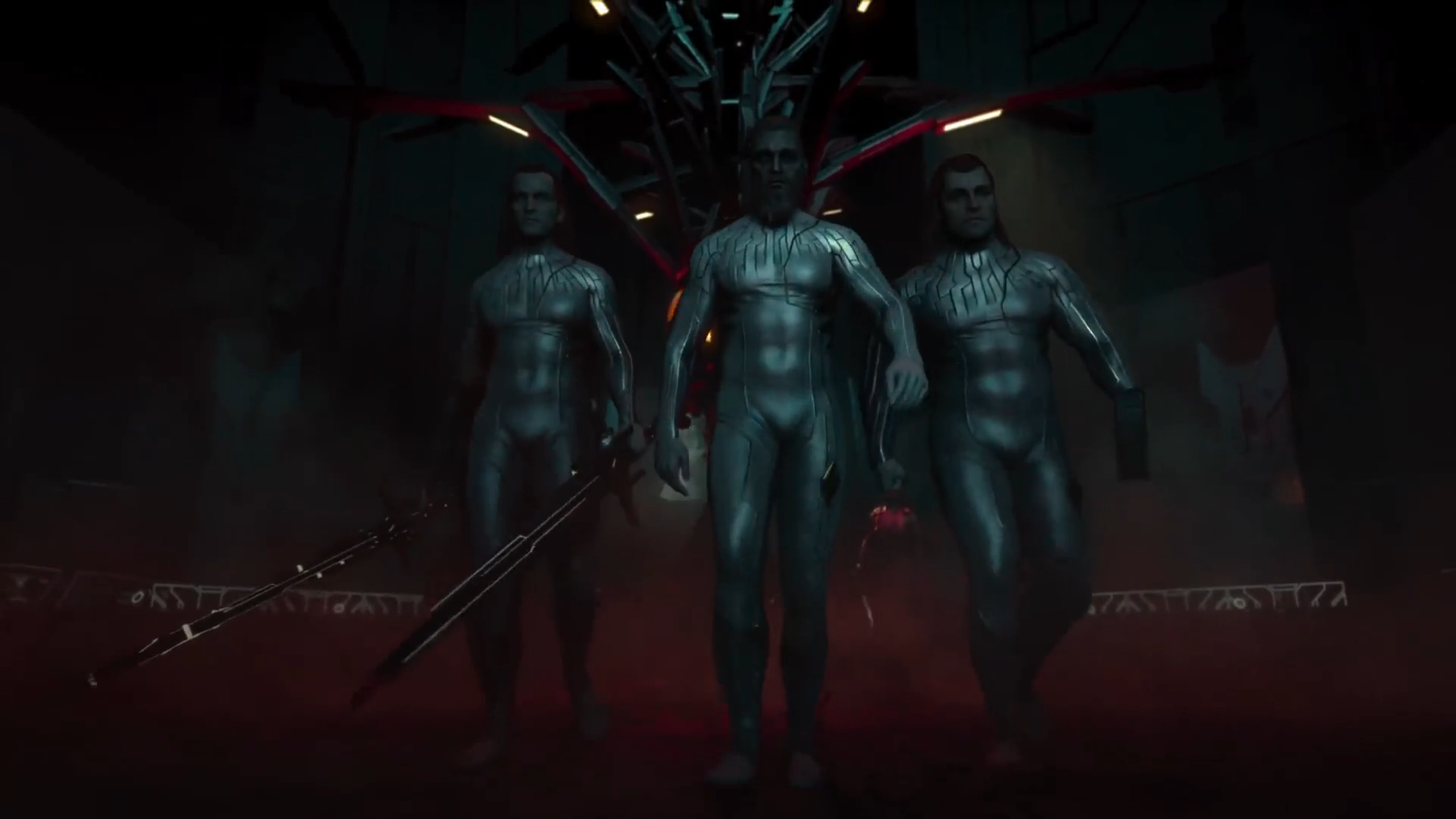 25 Images
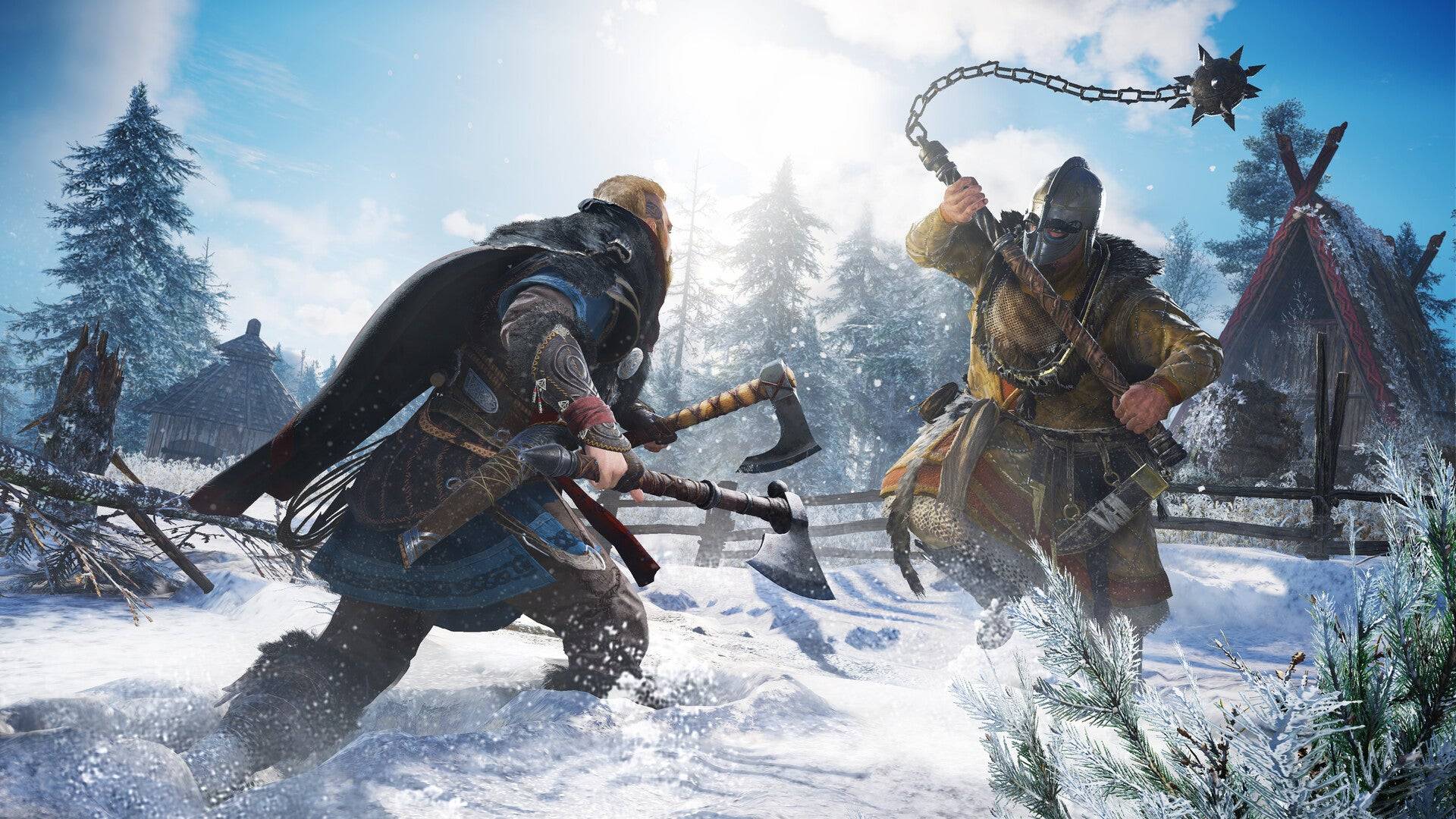
News of a day-one patch surfaced in Japan, though Ubisoft’s Western team has not yet confirmed it. According to Automaton, the patch, set for the March 20 release, will make shrine tables and shelving indestructible and reduce non-essential bloodshed in shrines and temples. Attacks on unarmed NPCs will also exclude blood. IGN has asked Ubisoft if this patch is Japan-specific.
Regardless of its reception in Japan, Assassin’s Creed Shadows faces high expectations globally after delays and the commercial struggles of Ubisoft’s Star Wars Outlaws. Ubisoft has also faced high-profile setbacks, layoffs, studio closures, and game cancellations leading up to Shadows’ launch.
IGN’s Assassin’s Creed Shadows review gave it an 8/10, stating: “By refining its core systems, Assassin’s Creed Shadows delivers one of the finest open-world experiences in the franchise’s decade-long evolution.”
Latest News
more >-
-

- Universal Piece Trello and Wiki Links
- Oct 22,2026
-

-

-