Monster Hunter Wilds Developers Talk Weapon Changes – IGN First
- By Dylan
- Feb 24,2025
Monster Hunter Wilds: Weapon Tuning and Design Philosophy
Every Monster Hunter release sparks anticipation among players eager to experience their favorite weapons in a new game. Each of the 14 weapon types retains its unique identity while adapting to the design of each new title. Monster Hunter: World's seamless map and Monster Hunter Rise's Wirebug mechanics exemplify how weapon feel evolves with gameplay changes. But what guided the weapon tuning in Monster Hunter Wilds, aiming for a seamless hunting experience?
To understand the design choices, we spoke with Kaname Fujioka (art director and executive director, also director of the first Monster Hunter game) and Yuya Tokuda (Wilds director, involved since Monster Hunter Freedom).
IGN First Monster Hunter Wilds Oilwell Basin Artwork
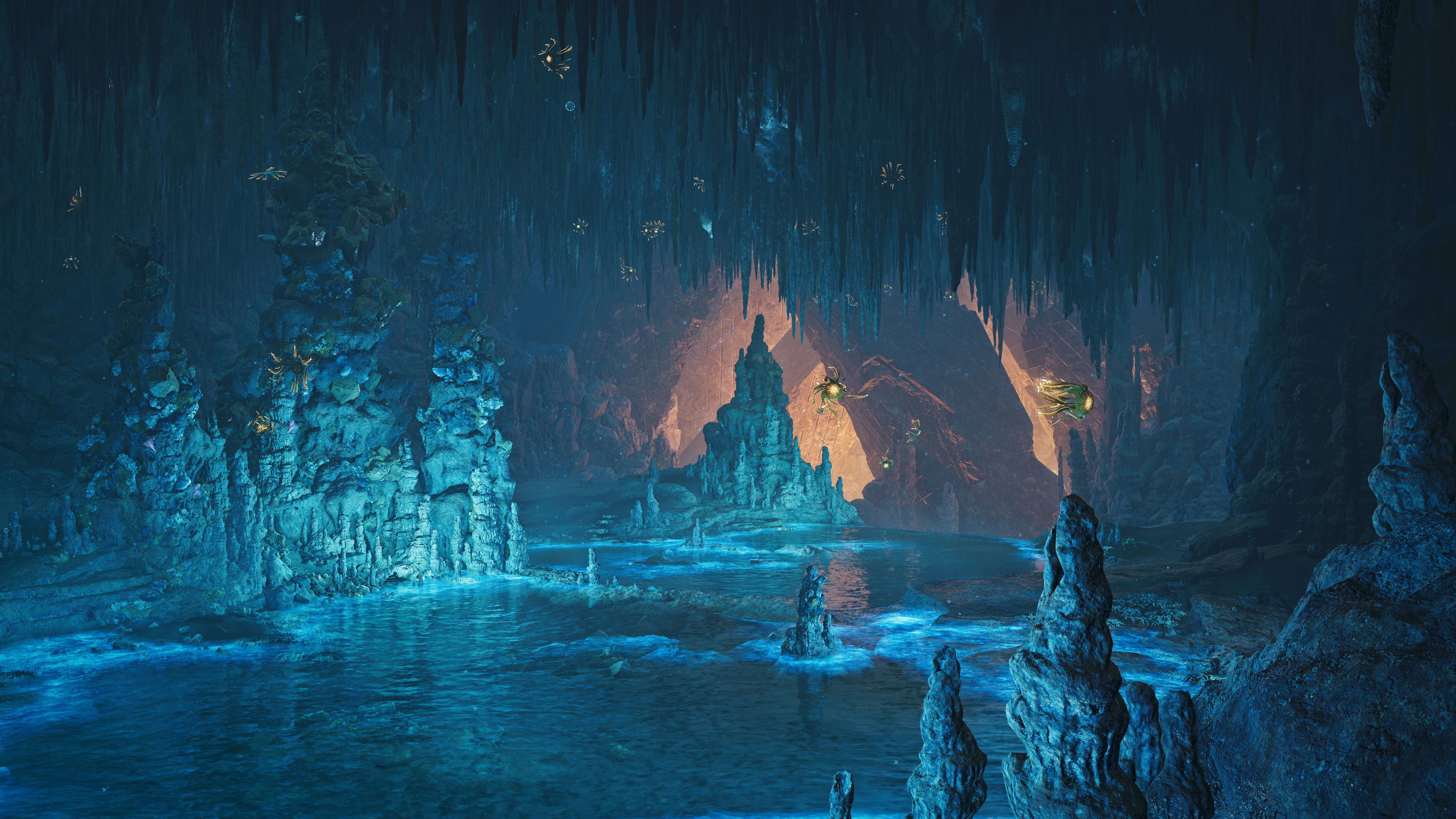
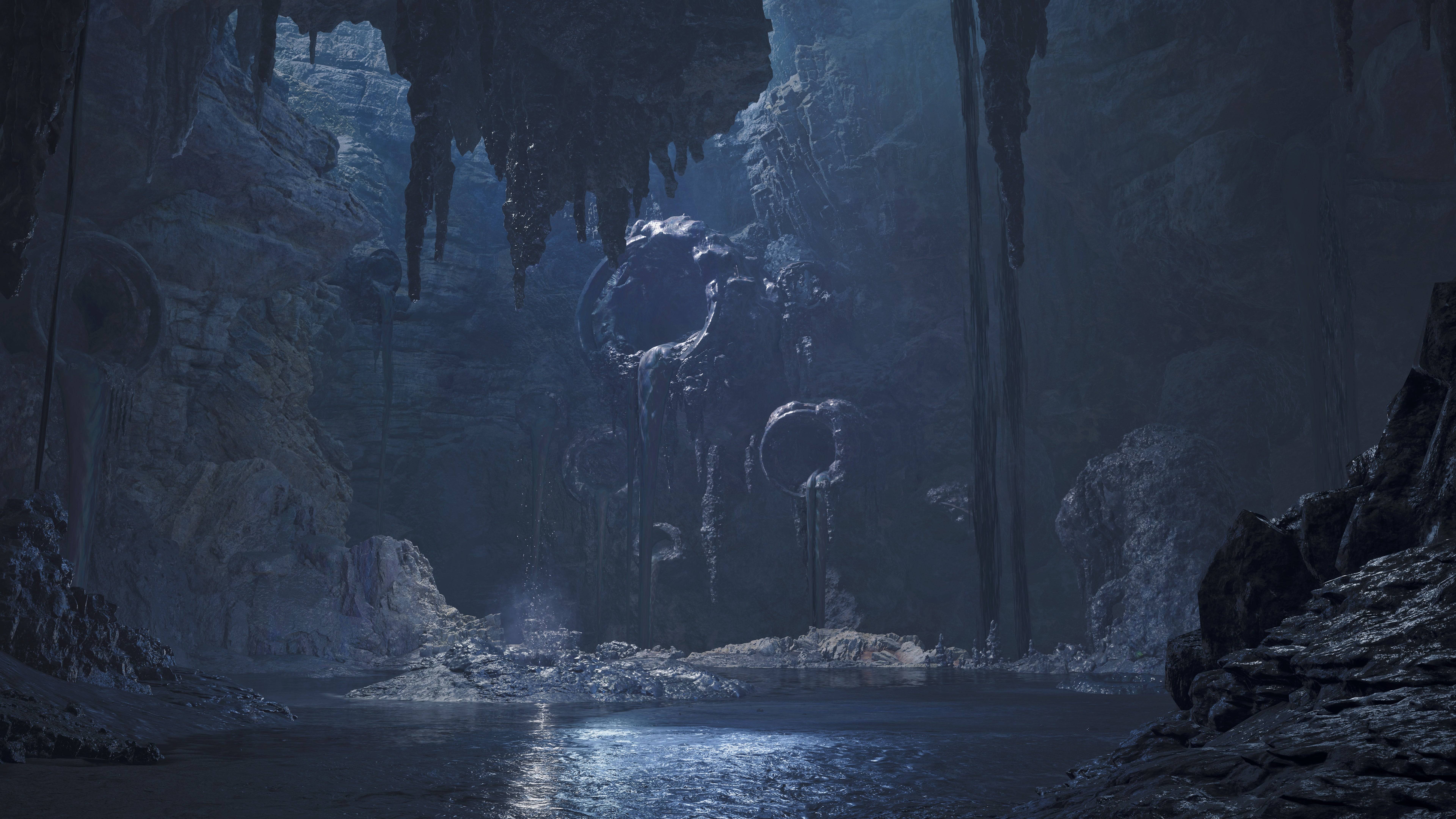
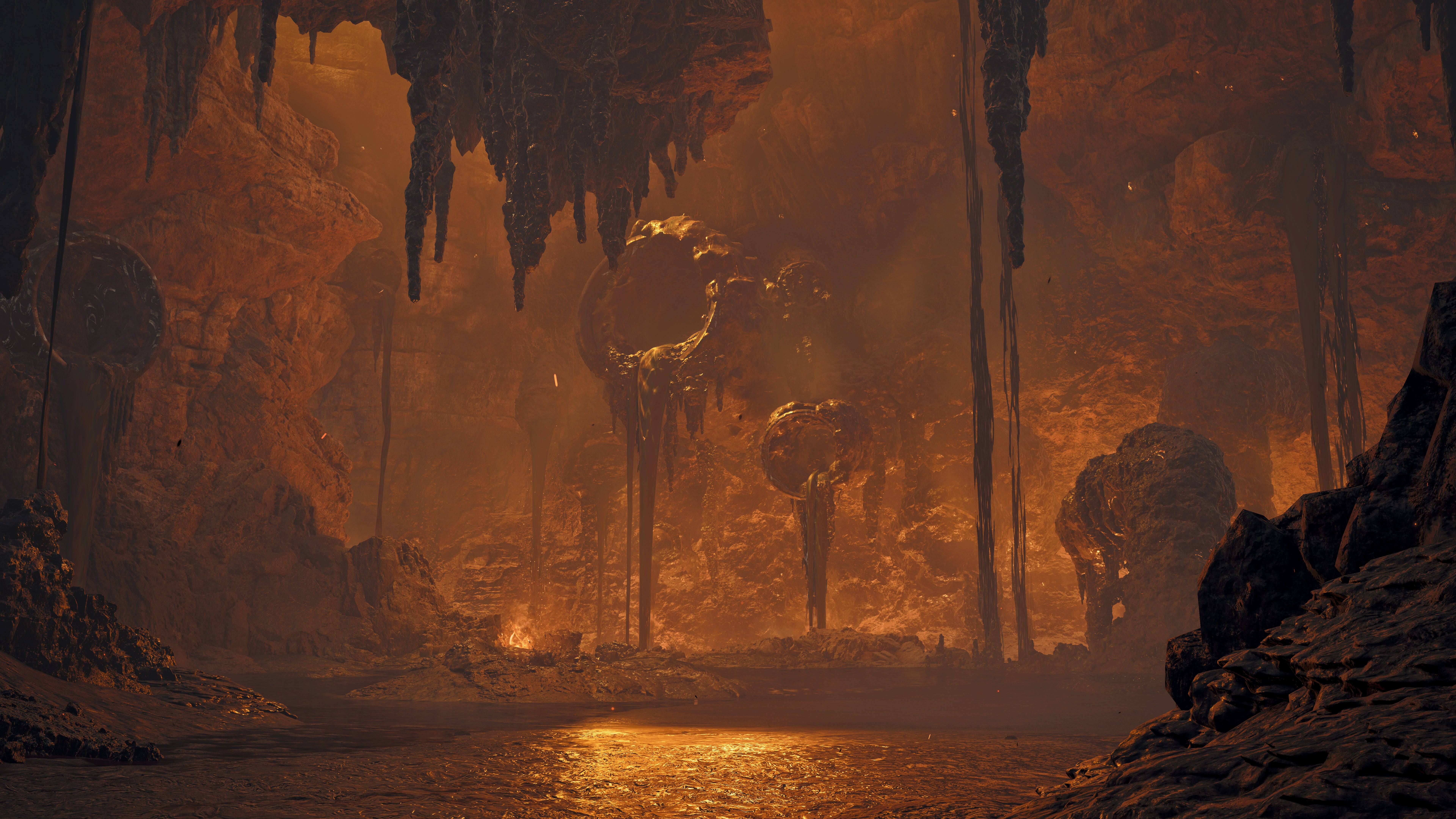
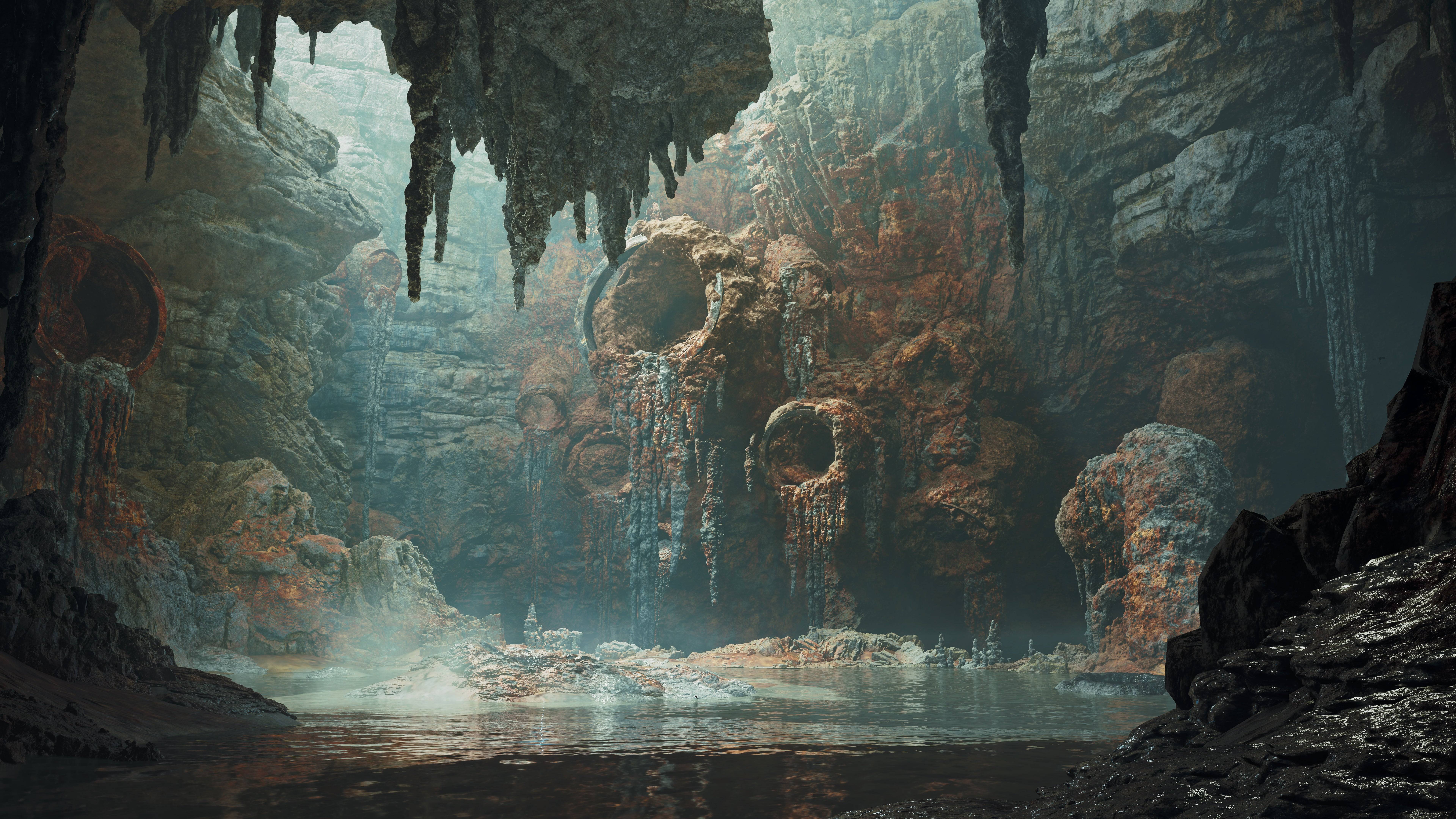
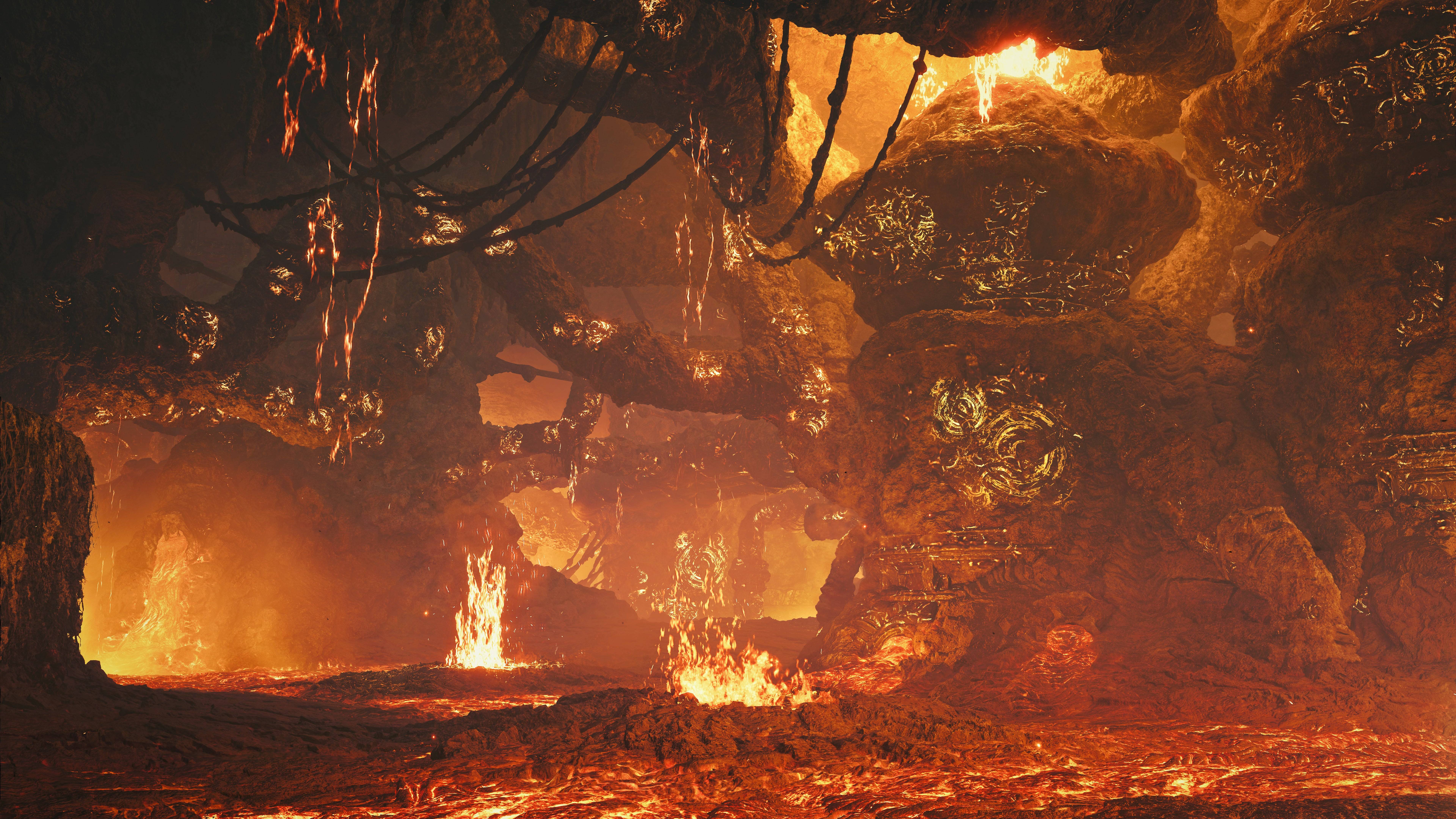
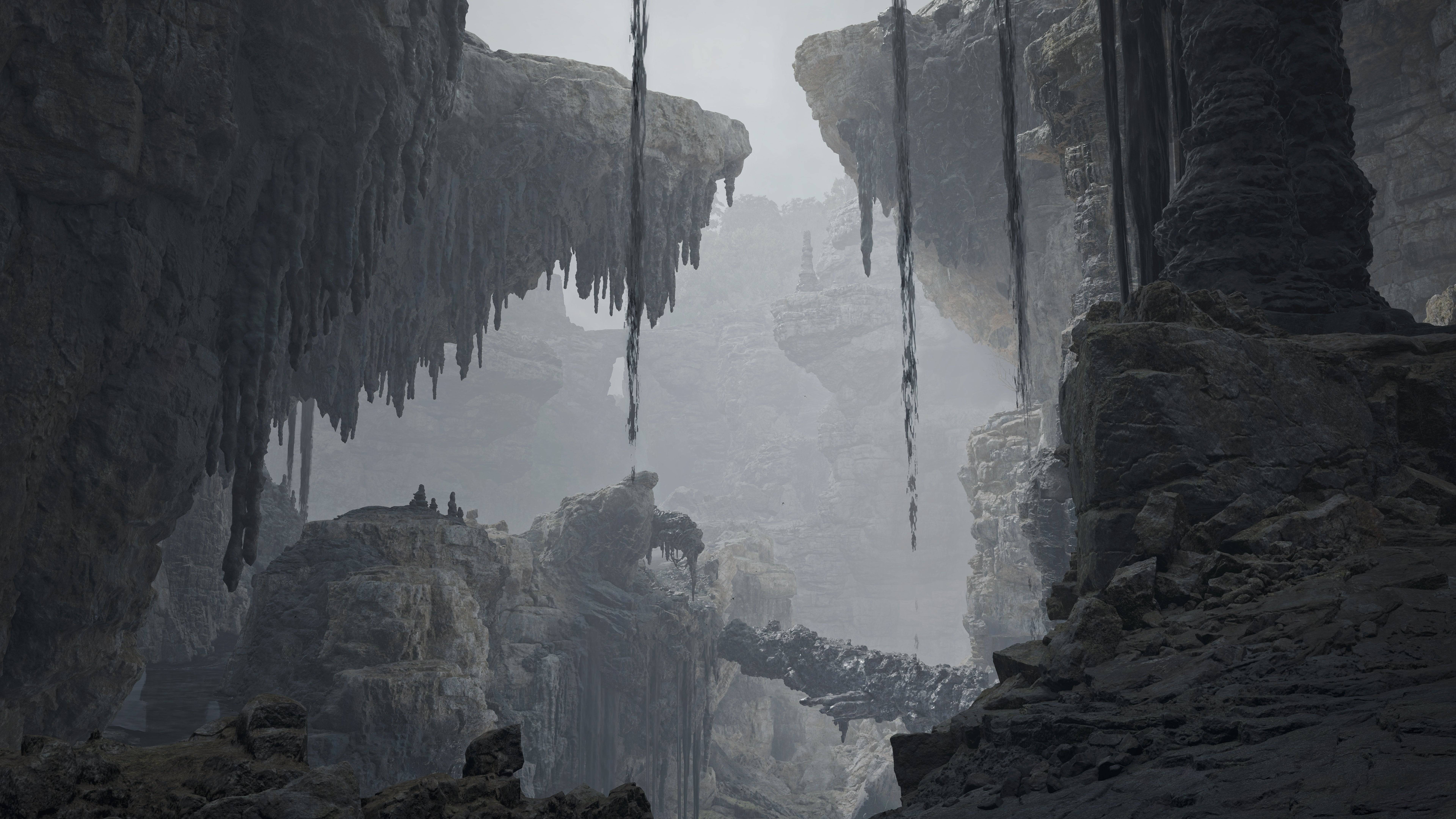
Our interview revealed the design and development process for various weapons, including adjustments based on feedback from the November 2024 Open Beta Test.
Seamless World Adjustments
Tokuda highlighted significant changes to several weapons due to Wilds' seamless map and dynamic weather. The Light and Heavy Bowguns, and the Bow, underwent major revisions.
The seamless world eliminated the need to return to base for resource replenishment. Historically, ranged weapons used consumable ammo and coatings, potentially creating a burden without restocking opportunities.
"That's why we designed it so basic damage sources can be used without expending resources," Tokuda explained. "We balanced it around unlimited normal, pierce, and spread ammo for Bowguns and coatings for Bows, managing your gauge. But creating powerful ammo with attributes from gathered materials remained possible."
Weapon changes extended beyond mechanics, influencing design. Fujioka emphasized the visual representation of Bowgun charging: "We wanted to properly show the movement of charging a Bowgun for a special shot. Shots canceling a monster's attack look convincing." Technological advancements played a key role in these animation improvements.
The ability to seamlessly swing, stow, and switch weapons also impacted gameplay. Tokuda stated, "A common concept is that hunters can use weapons naturally, even without inputs." Previous games required stowing weapons before healing; improved animations changed this.
Fujioka added, "The Focus Mode allows movement while facing a specific direction, enabling continuous attacks while slightly off-center. We aimed to create the gameplay players envisioned." Technological leaps in animation management and evolving game design influenced these changes.
Focus Strikes
Wilds introduces a wound system, where continuous attacks on a specific body part create wounds. Damage determines wound creation; environmental elements or monster battles inflict wounds more easily. Player weapon attacks accumulate damage to create wounds, with no weapon-type differences.
Focus Strikes, activated in Focus Mode, deal massive damage to wounded monsters. Unique animations for each weapon type were created, initially suggesting differing abilities. However, Tokuda clarified: "We wanted unique animations, but the open beta showed some weapons were too strong, while others felt weak. We're standardizing them for the release."
The wound system adds strategic depth. For example, a head wound created with a hammer can be exploited with a Focus Strike, but becomes a scar, preventing further head wounds. Targeting other woundable body parts becomes an option. Late-game environmental interactions can lead to unexpected scars. Tokuda explained that wounds, like flinching and part breaking, offer new strategic choices.
"Monsters are unwounded at the quest start, but you can hunt monsters while exploring. Turf wars can occur without hunter involvement, leaving monsters wounded. There might be special rewards for felling such monsters, including gems."
The Focus Mode and wound system facilitate dramatically damaging attacks, like the Great Sword's Charged Slash. This led to adjustments in monster health and toughness.
"Health is slightly higher than in World to maintain appropriate playtime and player satisfaction. Flinch resistance is also higher, but hunts aren't tedious. Focus Mode aims for more accomplishment in shorter loops, concentrating hunting time."
The Great Sword's Tempo
Tuning 14 weapon types requires significant development. Tokuda explained the team structure: "About six planners are responsible for player experience. We include artists and animation designers to discuss movements and weapon usage. Staff assignments evolve during development. We start with the Great Sword as a prototype, then verify weapons like the Sword and Shield and Heavy Bowgun, applying that knowledge to others."
Designers and artists collaborate on weapon actions, considering both fun and aesthetics. Focus Strikes inspired the art team.
Fujioka explained, "Focus Strikes were new, so we prioritized feel over performance. The Great Sword is an all-rounder, so we start with it for animations. It was one of the first weapons in the original Monster Hunter, and we challenge ourselves with it first. The Great Sword's Focus Strike excited us, suggesting possibilities for other weapons."
The Great Sword plays a significant role in Monster Hunter animation development.
Tokuda continued, "Weapons with a heavy tempo like the Great Sword are rare. Ensuring Great Sword enjoyment is a Monster Hunter standard. Other weapon concepts are developed by centering on the Great Sword and differentiating others from it. The Great Sword is the most well-rounded. While faster weapons require technical skill, mastering the Great Sword allows straightforward monster defeats. It can block, has AoE attacks, and delivers solid damage. It's designed for straightforward monster engagement."
Fujioka added, "Creating fun gameplay with the Great Sword's weight makes it easier to create quicker weapons. Focusing on high-tempo weapons or matching monster speed leads to increasingly fast movements. Balancing both with the Great Sword's tempo creates a true Monster Hunter feel."
Weapons with Personality
Every hunter has a favorite weapon, but some weapons inevitably become more popular than others. The developers aim for individuality rather than equal ease of use.
Fujioka explained, "Focusing on unique design is better than equal ease of use. However, ensuring the desired gaming experience is crucial. A weapon shouldn't be both easy to use and overpowered. We made significant changes to some weapons based on open beta feedback."
Tokuda used the Hunting Horn as an example: "I wanted it to deal damage effectively in its optimal area. Instead of continuous attacks, using Echo Bubble to control the area deals damage. We challenged ourselves to utilize its unique sound element while dealing damage. We prioritize maximizing each weapon's personality."
The open beta revealed that the Hunting Horn's self-buffs made it a powerful secondary weapon choice. The release version will be balanced to prevent it from being the only viable secondary weapon.
Certain weapons perform better against specific monsters. The developers accept this but aim to avoid a single optimal build for every monster. Endgame weapon usage narrows for efficiency, but flattening weapon and monster uniqueness would undermine Monster Hunter's core.
Fujioka stated, "While top-tier weapons in terms of time efficiency will be more popular, we ensured that dedication to a weapon type allows monster defeat through trial and error."
Tokuda highlighted the dual weapon system in Wilds: "Even with specialized weapons, I'd be happy if players used two to complement each other."
Build Your Own Skills
The decoration system, similar to World, affects skill builds. Tokuda explained: "Decorations have specific skill abilities. Skills are activated by placing them into weapon or armor slots (activated separately). Single-skill decorations are craftable, solving the issue of unobtainable skills."
Fujioka shared his experience with World: "I never got my Shield Jewel 2... I finished the game without completing my build."
Regarding favorite weapons, Tokuda often uses long-range weapons and the Sword and Shield due to its adaptability. He plans to explore all weapons after release. Fujioka's favorite is the Lance.
Fujioka admitted, "I'm a Lance main. Positioning is crucial, sticking to a monster's feet. Wilds makes minor adjustments easier. It's a simple but important change offering more choices for Lance users."
The Lance received significant open beta feedback. Tokuda stated, "The Lance wasn't embodying its concept. We intended varied guarding, sticking to the monster, and counterattacking. But actions were problematic—hard to use, accidental actions, late actions. It felt dull compared to other weapons. We're making major improvements for the release version."
The Wilds creators worked diligently to address open beta feedback. Their experience and passion, combined with player feedback, shaped the final game. Monster Hunter's success stems from player passion and the developers' dedication. A detailed community update video covers performance enhancements and weapon changes.