Palworld Director Clarifies AI Use, Online Issues, and Misunderstandings
- By Scarlett
- May 20,2025
At the Game Developers Conference (GDC) last month, we had an insightful conversation with John "Bucky" Buckley, the communications director and publishing manager for Palworld developer Pocketpair. Following his talk at the conference, titled 'Community Management Summit: A Palworld Roller Coaster: Surviving the Drop,' Buckley shared detailed insights into Palworld's challenges, including accusations of using generative AI and copying Pokémon models, which have been debunked and retracted respectively. He also briefly touched on Nintendo's patent infringement lawsuit against the studio, expressing that it was a "shock" and "something that no one even considered."
Given the depth of our discussion on Pocketpair's community struggles and successes, we've decided to publish the full extended interview. For those interested in shorter summaries, you can find links to Buckley's comments on the potential of Palworld coming to the Nintendo Switch 2, reactions to the "Pokemon with guns" label, and thoughts on whether Pocketpair might be acquired.
This interview has been lightly edited for clarity:
IGN: Let's start with the lawsuit you mentioned in your GDC talk. Has it affected Pocketpair's ability to update and move forward with the game?
John Buckley: No, the lawsuit hasn't made it harder to update the game or move forward. It's more of a constant presence that affects our morale rather than the actual development process. Of course, it requires legal attention, but that's handled by the top management. It's really just a morale issue for the rest of us.
IGN: You seemed to dislike the "Pokemon with guns" moniker during your talk. Why is that?
Buckley: Many people think that was our goal from the start, but it wasn't. Our aim was to create a game similar to ARK: Survival Evolved, but with more automation and unique personalities for each creature. The "Pokemon with guns" label emerged after our first trailer, and while we weren't thrilled about it, it's become a part of the conversation.
IGN: You mentioned not understanding why Palworld took off so significantly. Do you think the "Pokemon with guns" label played a role?
Buckley: Definitely. That label fueled a lot of interest. However, what bothers us is when people assume that's all the game is without giving it a try. We'd prefer if people played it before forming an opinion.
IGN: How would you have described Palworld if you could?
Buckley: I might have called it "Palworld: It's kind of like ARK if ARK met Factorio and Happy Tree Friends." It's not as catchy, but it's closer to our vision.
IGN: You also addressed the criticism of Palworld being called "AI slop." How did that impact your team?
Buckley: It was a massive blow, especially for our artists. The accusations are baseless and hurtful, particularly for our Pal concept artists who have been with us since day one. We tried to refute this with an art book, but it's challenging to combat these misconceptions when our team prefers to stay out of the public eye, especially our female artists in Japan.
IGN: The industry is grappling with generative AI. How do you respond to those who think they can spot AI-generated art?
Buckley: A lot of the accusations against us stem from misinterpretations of comments our CEO made years ago, and our involvement in a party game called AI: Art Imposter. These have been taken out of context to suggest we endorse generative AI, which isn't true.
IGN: What's your take on the state of online gaming communities and the role of social media?
Buckley: Social media is crucial for us, especially in Asian markets where it's deeply integrated into daily life. Online communities can be intense, and while we understand emotional reactions, the death threats we receive are hard to fathom. We spend long hours working on the game, and these threats are not only illogical but deeply hurtful.
IGN: Do you feel social media has gotten worse recently?
Buckley: There's a trend where some people deliberately take opposing views for attention. Luckily, Palworld has largely avoided getting caught up in political or social controversies, focusing more on gameplay-related feedback.
IGN: You noted that most of the criticism came from Western audiences. Why do you think that is?
Buckley: We're a divisive company in Japan, but the heat from the West was unexpected. Maybe it was just easier to target us at the time. The English-speaking death threats were particularly prevalent.
Palworld Screens
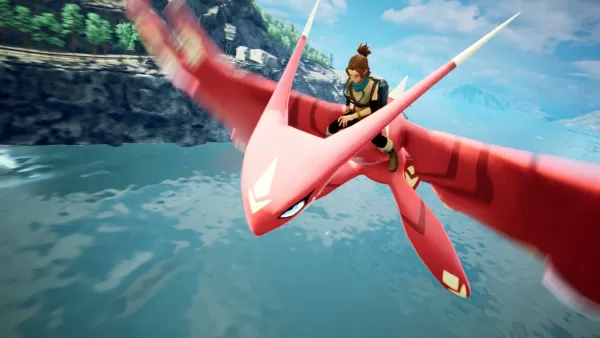
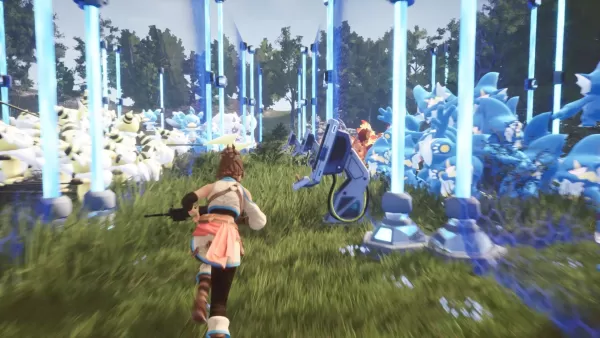 17 Images
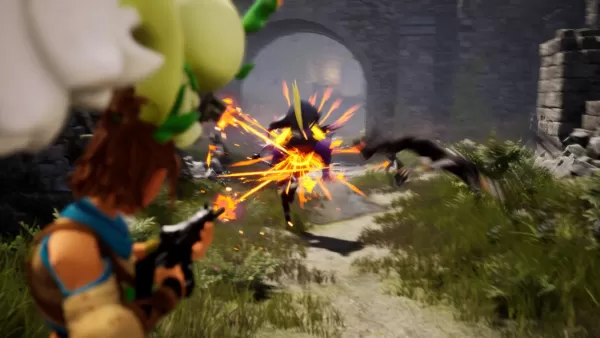
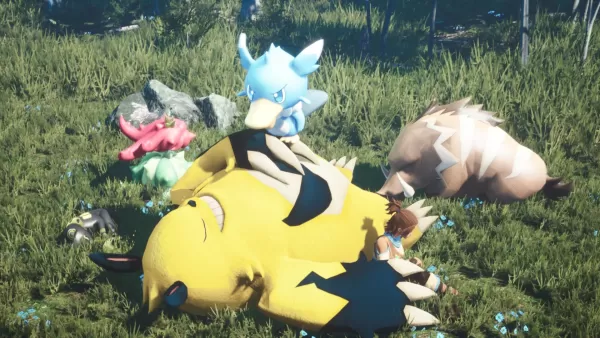
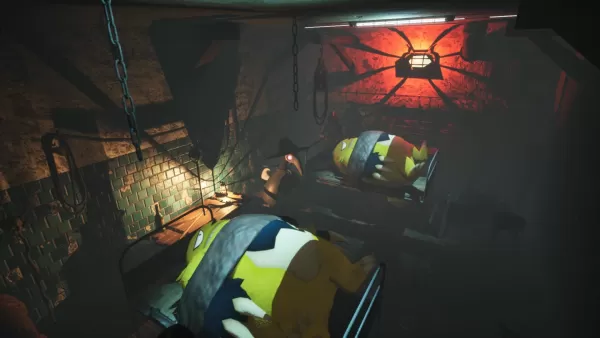
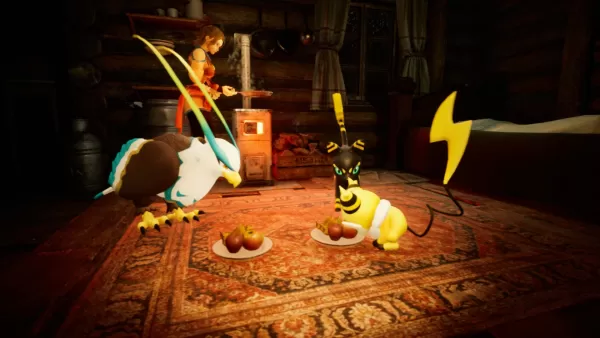
IGN: Palworld's success was unexpected. Has it changed how the studio operates or its future plans?
Buckley: It has influenced our future plans, but the studio's core operations remain the same. We're hiring more developers and artists to speed up development, but our CEO wants to keep the company small and maintain its culture.
IGN: You mentioned the community team didn't grow. Did other parts of the studio expand?
Buckley: Yes, our server team has grown, and we're continuously hiring more developers and artists to accelerate development. The success was surreal, and managing it has been challenging but exciting.
IGN: Do you expect Palworld to be supported for a long time?
Buckley: Absolutely, Palworld isn't going anywhere. It's evolving into both a game and an IP, with different trajectories. We're also working on other projects like Craftopia.
IGN: You mentioned a partnership that was misunderstood. Can you clarify?
Buckley: People often think we're owned by Sony, but that's not true. Aniplex and Sony Music are handling the IP, while we focus on the game.
IGN: Would Pocketpair ever consider being acquired?
Buckley: Our CEO would never allow it. He values independence and doing things his way.
IGN: How do you see Palworld's relationship with other games like Pokémon and ARK?
Buckley: We don't see ourselves in direct competition with Pokémon or ARK. The gaming industry's competitive nature is often exaggerated for marketing. Our focus is more on timing and player engagement.
IGN: Would you consider releasing Palworld on the Nintendo Switch?
Buckley: If we could make it work on the Switch, we would. For the Switch 2, it depends on the specs, which we haven't seen yet. We're optimistic about handhelds, given our success with the Steam Deck.
IGN: What's your message for those who haven't played Palworld and might misunderstand it?
Buckley: I think many people have a misconception based on the drama and news. I recommend they try it. We're considering a demo to help people experience the game firsthand. We're not as "seedy and scummy" as some might think, and our efforts to protect our team might have contributed to that perception.
IGN: The internet often reduces complex games to memes. How do you feel about that?
Buckley: Last year was extraordinary for gaming, with many successful titles. The "Pokemon with guns" meme has been a significant part of our narrative, but we're proud of our achievements and hope to continue doing well.
Latest News
more >-
-

- Universal Piece Trello and Wiki Links
- Oct 22,2026
-
-
-