Yasuke in Shadows: A Fresh Twist on Assassin's Creed
- By Hannah
- May 02,2025
With a renewed focus on the core concepts that originally defined the series, Assassin's Creed: Shadows delivers the most satisfying experience the franchise has seen in years. The game features the best parkour system since Unity, allowing players to seamlessly transition from the ground to castle rooftops. A grappling hook further enhances the ability to quickly reach strategic vantage points. When playing as Naoe, the thrill of perching on a tightrope high above enemies, ready to execute the perfect kill, is exhilarating.
However, the game introduces a stark contrast with Yasuke, the second protagonist, whose gameplay mechanics diverge significantly from traditional Assassin’s Creed experiences. Yasuke is slow, clumsy, and unable to perform silent takedowns or climb effectively. His design challenges the very essence of what it means to be an Assassin's Creed protagonist, making his inclusion both baffling and fascinating. Playing as Yasuke feels less like an Assassin's Creed game and more like an entirely different genre.
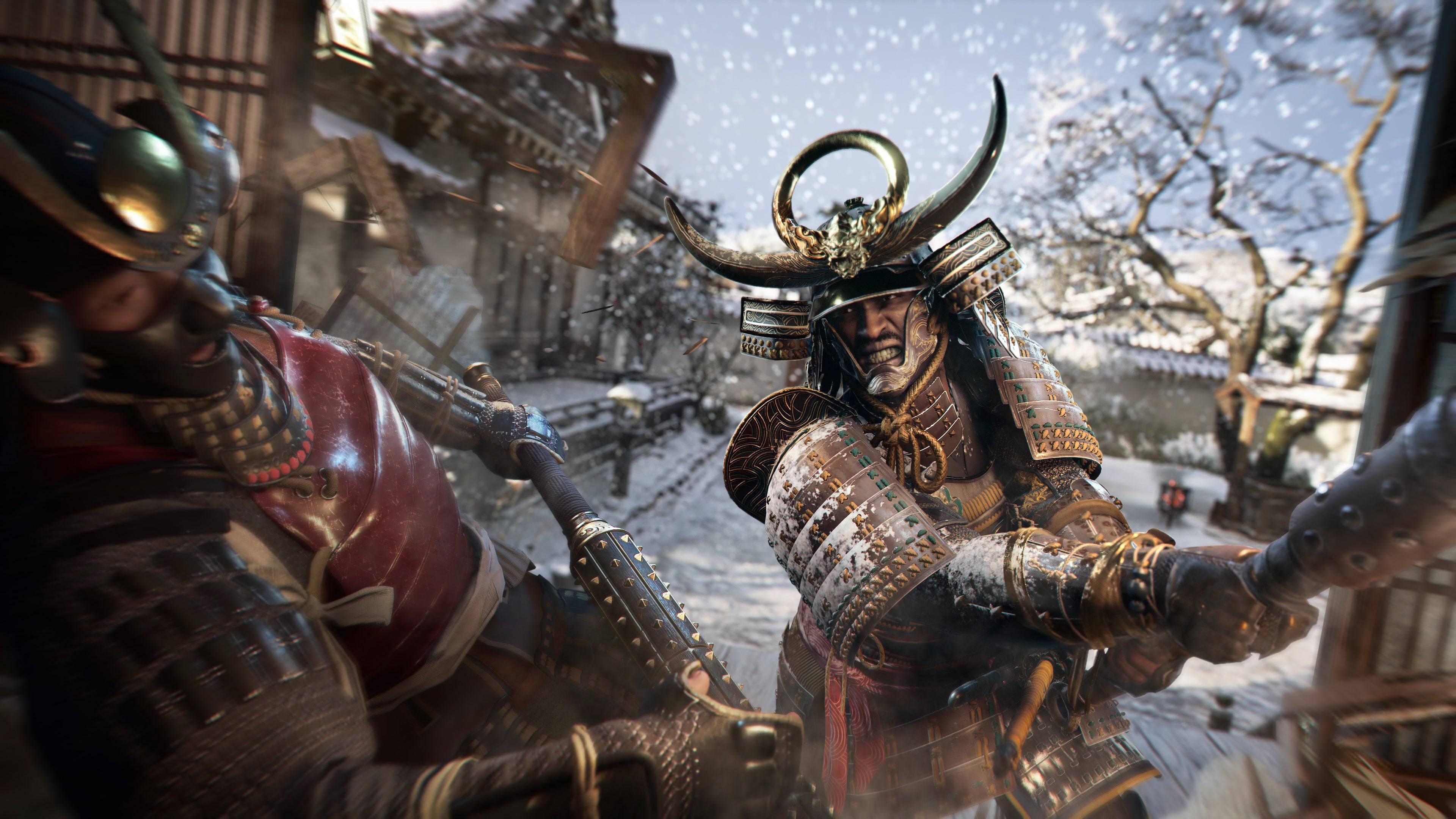 Yasuke's unique abilities shift the focus from parkour and stealth to more grounded combat, which can be initially frustrating for players accustomed to the series' traditional gameplay. His limitations in climbing and stealth force a more deliberate approach to the game, encouraging players to stay at ground level and engage in direct combat rather than planning from above.
Assassin's Creed has always been built on stealthy kills and vertical exploration, elements that Yasuke directly opposes. His gameplay resembles that of Ghost of Tsushima more than Assassin's Creed, emphasizing fierce combat over stealth. Yasuke's design challenges players to rethink their approach, offering a more prescribed route through the environment rather than the unrestricted climbing of past protagonists.
Despite these limitations, Yasuke's combat mechanics are among the best in the series. Shadows features refined swordplay with purposeful strikes and a variety of techniques, including brutal rush attacks and satisfying ripostes. His combat-focused gameplay provides a thrilling alternative to the stealth-centric approach of other protagonists.
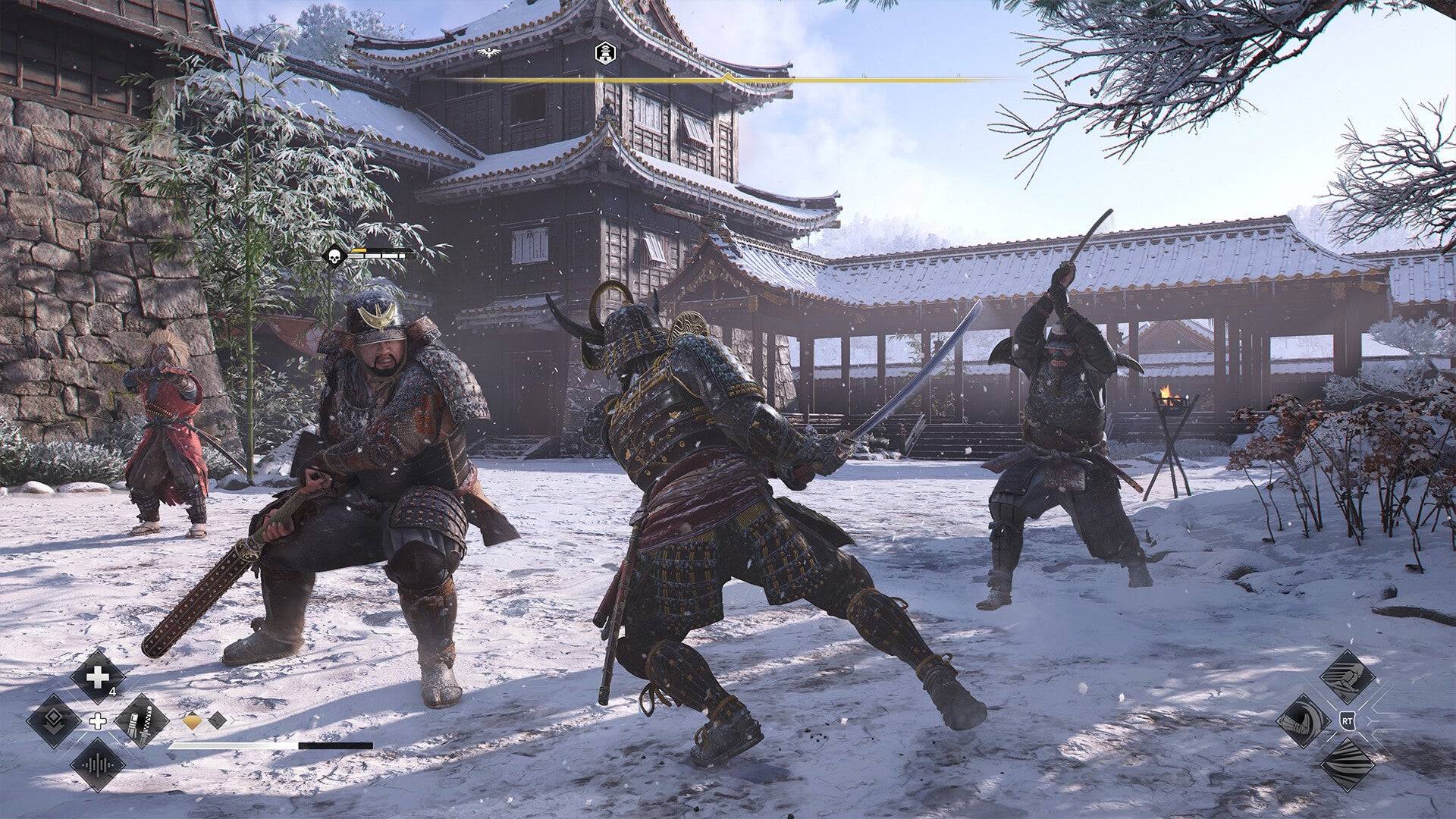 The dual protagonist system in Shadows ensures a clear separation between stealth and combat, preventing the blending of styles that plagued previous entries like Origins, Odyssey, and Valhalla. While Naoe's fragility forces players to engage in stealth and strategic retreats, Yasuke's strength allows for a more aggressive approach, offering a welcome change of pace.
Yasuke's design, while intentional, struggles to fit within the traditional Assassin's Creed framework. The series has historically emphasized stealth and vertical exploration, elements that Yasuke is not suited for. His inability to perform core Assassin's Creed actions like climbing and using hidden blades highlights his thematic appropriateness as a samurai but also underscores his divergence from the series' core identity.
Naoe, on the other hand, embodies the quintessential Assassin's Creed experience. Her stealth toolkit, combined with the verticality of Sengoku Period Japan's architecture, creates a highly mobile and lethal assassin. Naoe's gameplay not only fulfills the promise of the series but also benefits from the more realistic climbing mechanics introduced with Yasuke, enhancing the overall experience.
Ubisoft's attempt to offer two distinct playstyles with Yasuke and Naoe creates a double-edged sword. While Yasuke provides a compelling and contrasting experience, his gameplay opposes the foundational elements of Assassin's Creed. Players may find themselves drawn more to Naoe, who offers a more traditional and satisfying Assassin's Creed experience. Ultimately, while Yasuke's combat is thrilling, it is through Naoe that players will truly explore and appreciate the world of Shadows.
Related Articles
More >-

- Kojima Partners with Niantic for New Project
- 11/13,2025
-
-
-
-
Latest News
more >-
-

- Universal Piece Trello and Wiki Links
- Oct 22,2026
-

-

-